Whether you’re a seasoned outdoor enthusiast or someone who occasionally ventures beyond city limits, survival skills represent essential knowledge that transcends recreational activities. These capabilities prepare you for unexpected wilderness emergencies while building resilience for urban crises—from natural disasters to infrastructure failures. Mastering fundamental survival techniques can mean the difference between a manageable situation and a life-threatening emergency.
The Psychology and Priorities of Survival
Effective survival begins with mental discipline. The “Rule of Threes” provides a framework for prioritizing immediate needs: you can survive three minutes without air, three hours without shelter in harsh conditions, three days without water, and three weeks without food. Panic disrupts this logical assessment, leading to poor decisions and wasted energy. Instead, employ the STOP method—Sit, Think, Observe, Plan—to systematically evaluate your resources, environment, and options before taking action.
Water Procurement and Purification Strategies
Securing clean water ranks among your highest priorities in any survival scenario. Natural water sources require careful evaluation and treatment. Look for flowing water over stagnant pools, and observe animal trails that often lead to water sources. Collection methods include dew harvesting using absorbent cloth, constructing solar stills, or following vegetation patterns that indicate underground water. Always purify water through boiling for at least one minute, using water purification tablets, or improvised filtration systems using sand, charcoal, and cloth layers.
Shelter Construction: Protection from Environmental Threats
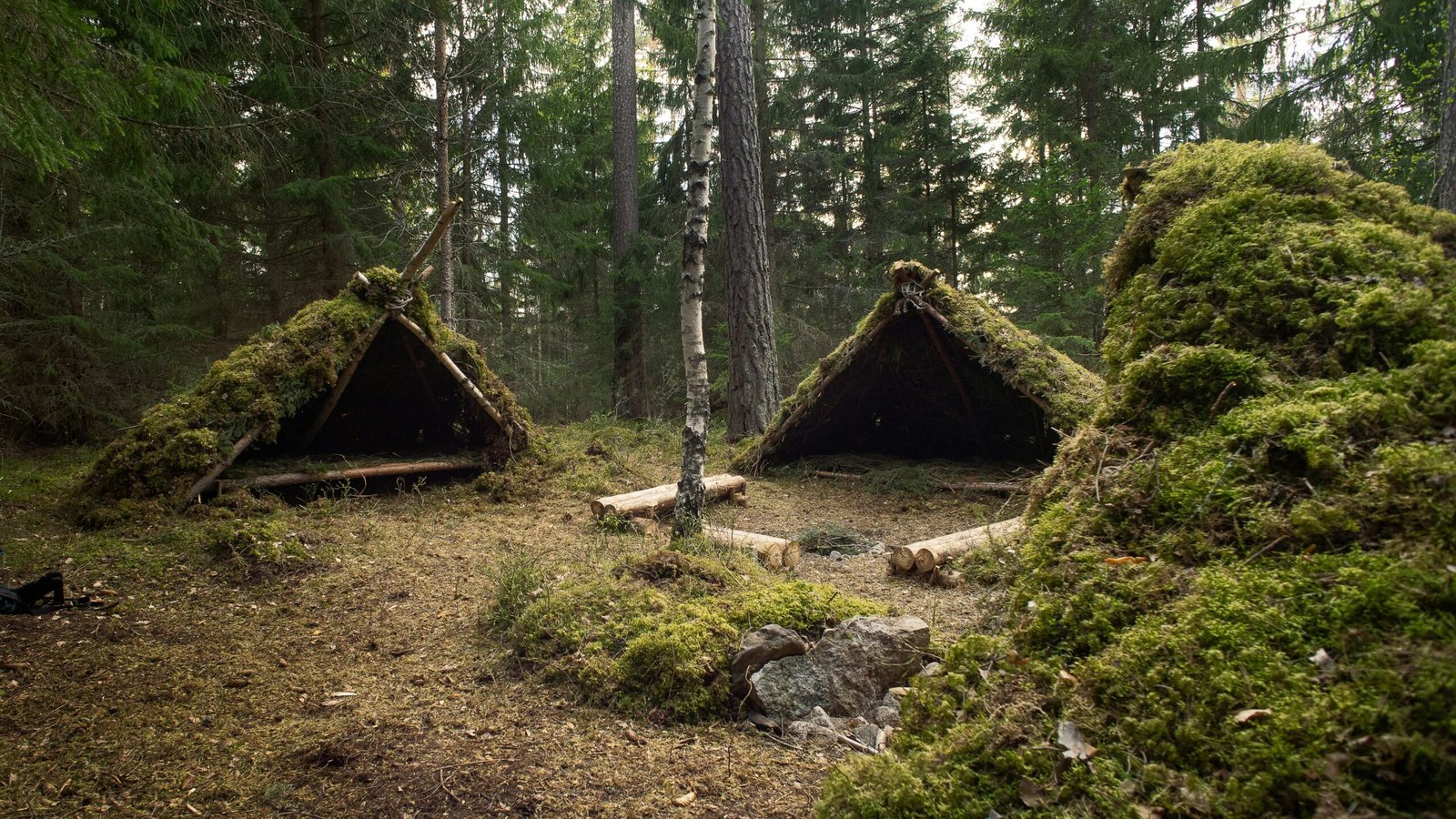
Effective shelter protects against hypothermia, hyperthermia, and exposure-related injuries. The key principles involve insulation from the ground, wind protection, and heat retention. Debris huts, lean-tos, and snow caves each serve different environmental conditions. Choose locations away from hazards like dead trees, flood zones, or animal paths. Insulation materials—leaves, pine needles, or snow—should be at least as thick as your body to provide adequate thermal protection.
Fire Mastery: Heat, Light, and Signaling
Fire creation requires understanding the fire triangle: fuel, oxygen, and heat. Gather materials in three categories—tinder (fine, dry material that catches sparks), kindling (pencil-thin to thumb-thick dry wood), and fuel wood (progressively larger pieces). Master multiple ignition methods: friction-based techniques like bow drills or hand drills, spark-based methods using flint and steel, and modern tools like waterproof matches or lighters. Beyond warmth and cooking, fire serves as a powerful signaling tool—three fires in a triangle pattern is a universal distress signal.
Medical Emergency Response and Trauma Care
Wilderness first aid differs significantly from urban emergency response due to extended evacuation times and limited resources. Focus on life-threatening priorities using the ABCDE approach: Airway, Breathing, Circulation, Disability, and Exposure. Learn to manage severe bleeding through direct pressure and tourniquet application, recognize and treat hypothermia and heat-related illnesses, and stabilize fractures using improvised splints. Carry a comprehensive first aid kit and regularly update your training through wilderness first responder courses.
Navigation and Rescue Signaling Techniques
When GPS fails, traditional navigation becomes critical. Learn to use a compass and topographic map together, understanding declination adjustments for your region. Natural navigation techniques include using the sun’s position, star patterns, and environmental indicators like moss growth and tree lean. For signaling, employ the rule of threes: three whistle blasts, three mirror flashes, or three smoke columns. Ground-to-air signals using rocks or logs can communicate your status to aircraft—an “X” indicates need for medical assistance, while an “I” shows you need supplies.
Key Takeaways
- Apply the STOP method and Rule of Threes to prioritize survival needs systematically.
- Master water procurement and purification techniques appropriate for your environment.
- Build shelters that provide insulation, wind protection, and thermal regulation.
- Develop multiple fire-starting methods and understand fire’s role in survival and rescue.
- Learn wilderness first aid protocols that account for extended evacuation times.
- Practice traditional navigation and signaling techniques as GPS backup systems.
Conclusion
Survival skills represent more than outdoor recreation knowledge—they’re fundamental life competencies that build confidence, self-reliance, and crisis management abilities. Regular practice in controlled environments ensures these skills remain sharp when emergencies arise. Whether facing a backcountry mishap or urban disaster, the principles of assessment, prioritization, and systematic response remain constant. Investing time in survival education today creates a foundation of preparedness that serves you throughout life’s unexpected challenges.