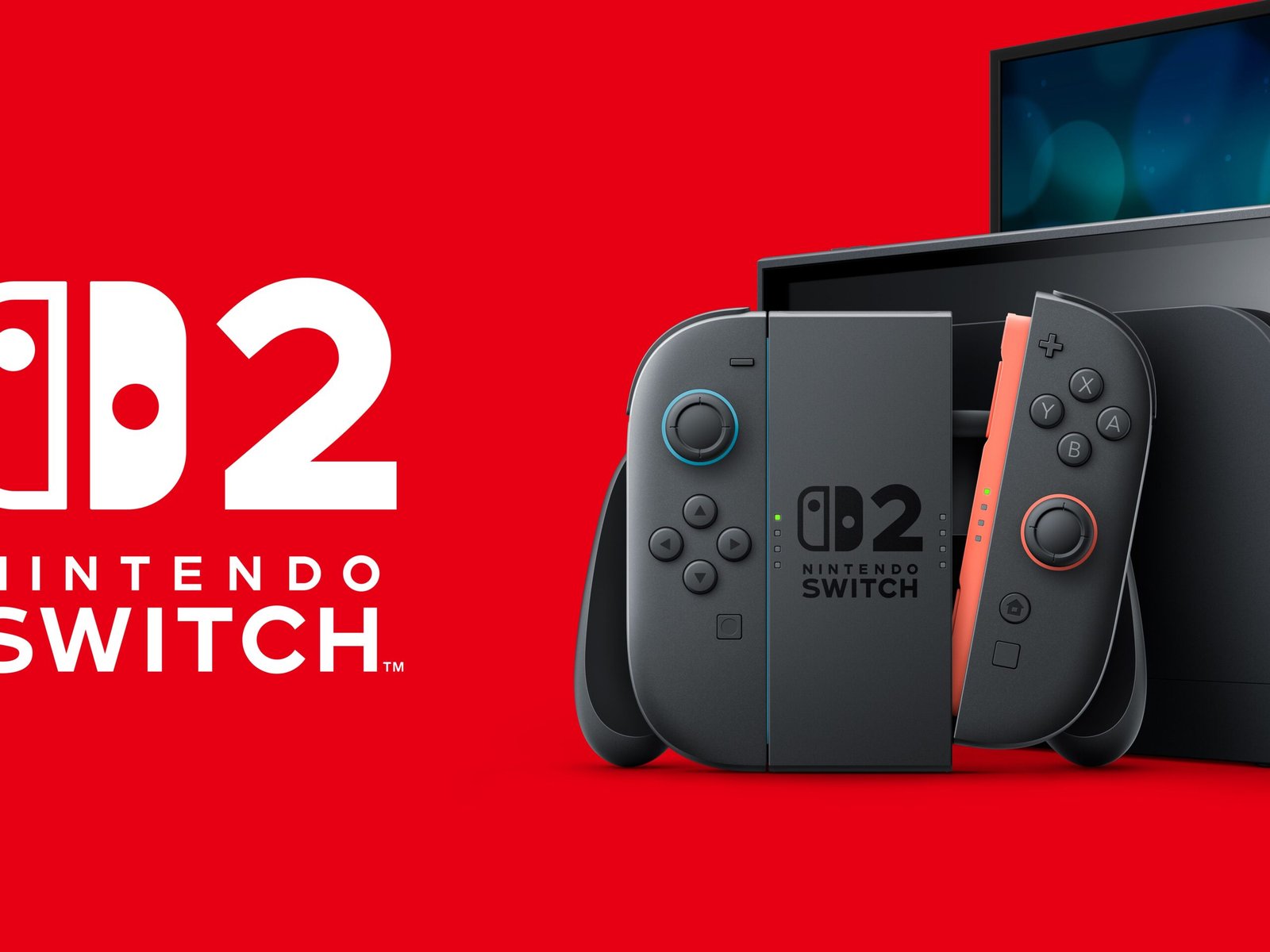
Nintendo’s latest console, the Switch 2, has been celebrated as the fastest-selling hardware in the company’s history, breaking records just days after its debut. However, beneath this shiny surface lies a disconcerting trend: third-party game sales are faltering, leaving developers and gamers alike questioning the future of non-Nintendo titles on the platform. As initial sales figures surface, it appears that while Nintendo’s first-party games are flying off the shelves, many third-party offerings are struggling to find an audience.

First-Party Dominance: The Selling Point
According to various reports, including data from Circana, a staggering 81% of physical game sales for the Switch 2 have been attributed to first-party titles such as Mario Kart World and the Zelda franchise. This overwhelming preference for Nintendo’s own games has raised eyebrows, especially given the number of third-party launches accompanying the console’s release. Despite a lineup featuring notable titles like Cyberpunk 2077, many third-party games are reportedly selling at rates “below our lowest estimates,” a stark contrast to the robust performance of Nintendo’s offerings.

Challenges for Third-Party Developers
Developers have expressed frustration regarding the lackluster performance of their games. One unnamed publisher highlighted that their expectations for sales have not been met, despite the console’s otherwise impressive launch metrics. This disparity can be partially attributed to consumer behavior; many players are opting for first-party experiences, which often include bundled titles that enhance the appeal of the console. Furthermore, the higher price point of the Switch 2, compared to its predecessor and competitors, has likely led consumers to be more selective about their purchases.
Understanding Consumer Preferences
There are multiple factors at play that may be influencing these purchasing decisions. For one, the Switch 2’s impressive backward compatibility allows players to revisit older titles, which may reduce the immediate demand for new third-party games. Additionally, many third-party titles are ports of games that players may have already experienced on other platforms, diminishing their appeal. The ongoing confusion surrounding Nintendo’s Game Key Cards, which require downloads despite being sold as physical copies, has also added to the frustration for consumers and likely deterred potential buyers.

Looking Ahead: Potential for Change
Despite these early struggles, there is hope for third-party titles on the Switch 2. Industry insiders suggest that as players exhaust their interest in first-party games, they may turn their attention to upcoming third-party offerings. Nintendo has signaled a commitment to supporting third-party developers, which could lead to improved visibility and marketing for these titles in the future. Major releases, such as Madden 26 and Tony Hawk’s Pro Skater 3 + 4, could provide the necessary boost to renew interest among gamers.
Conclusion: A Balancing Act for Nintendo
Nintendo’s Switch 2 launch has been a remarkable success in terms of console sales, but the challenges faced by third-party developers serve as a reminder of the complexities within the gaming ecosystem. As the landscape evolves, it will be crucial for Nintendo to find a balance that supports both its own titles and the diverse array of third-party games that enrich the platform. The coming months will be pivotal in determining whether the Switch 2 can sustain its momentum and foster a thriving environment for all developers.