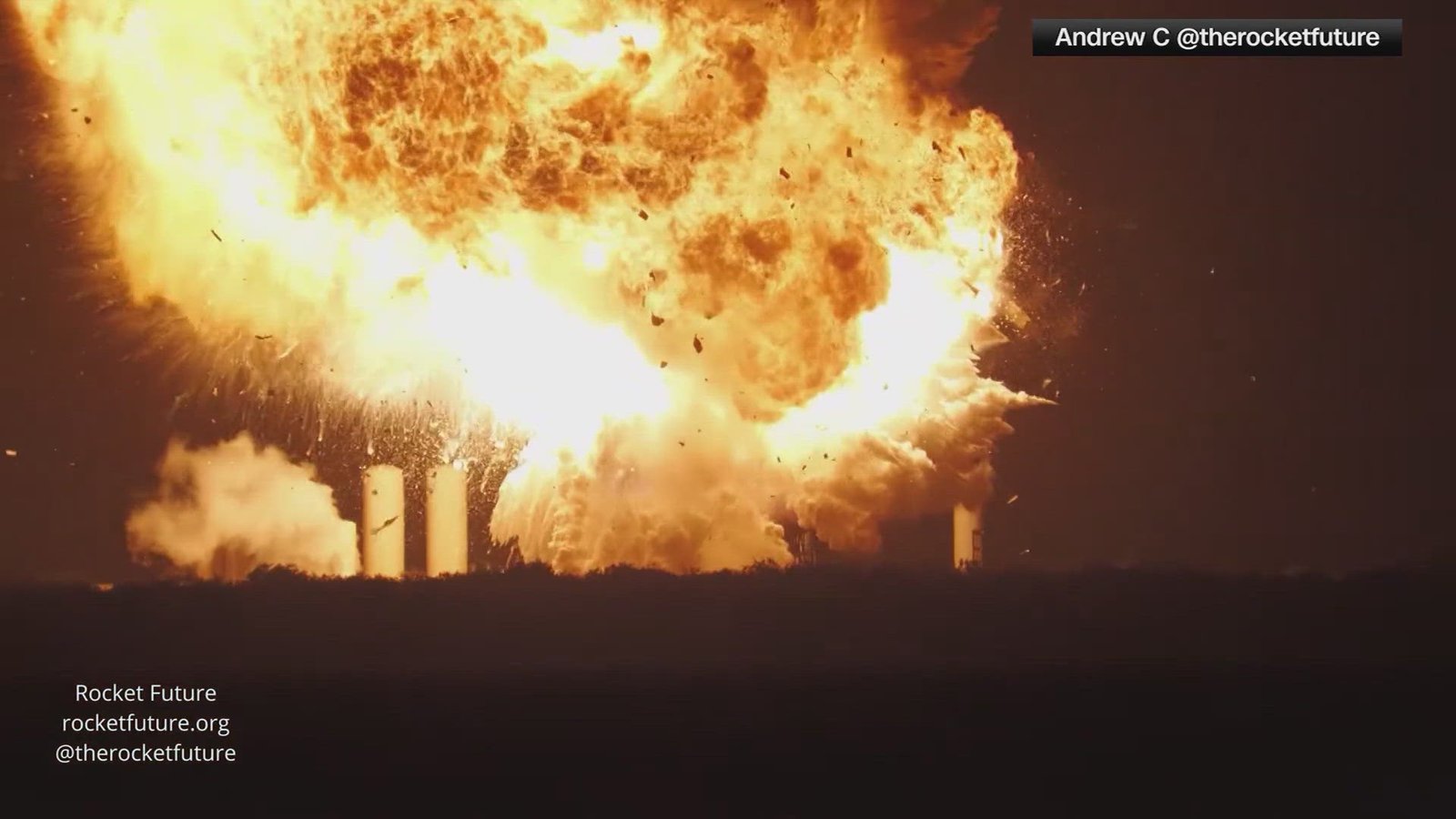
The latest explosion of SpaceX’s Starship vehicle during a ground test has reignited concerns over Elon Musk’s ambitious plans for interplanetary travel. This incident marks the fourth fiery mishap for the Starship program this year, raising questions about the timeline for missions to Mars and the technology that underpins them.

The most recent explosion occurred on June 18, 2025, during a routine static fire test at SpaceX’s Starbase in Texas. This failure, linked to the rupture of a pressurized nitrogen tank, has led to increased scrutiny over whether the company can resolve ongoing engineering challenges critical to Musk’s vision of a self-sustaining colony on Mars. In a recent address, Musk hinted at the importance of upcoming milestones, stating, “Progress is measured by the timeline to establishing a self-sustaining civilization on Mars.” However, with multiple setbacks in 2025 alone, including three failed test flights prior to this latest explosion, the path to Mars appears fraught with uncertainty.
Mars Mission Timeline: A Tight Deadline
SpaceX is racing against time to prepare for its next Mars transfer window, which opens in late 2026. During this period, the distance between Earth and Mars shortens significantly, allowing for travel times to be cut to just six to nine months. Musk’s roadmap aims to launch up to five uncrewed Starship missions during this window, but the recent explosions have sparked skepticism about whether these ambitious timelines can be met.
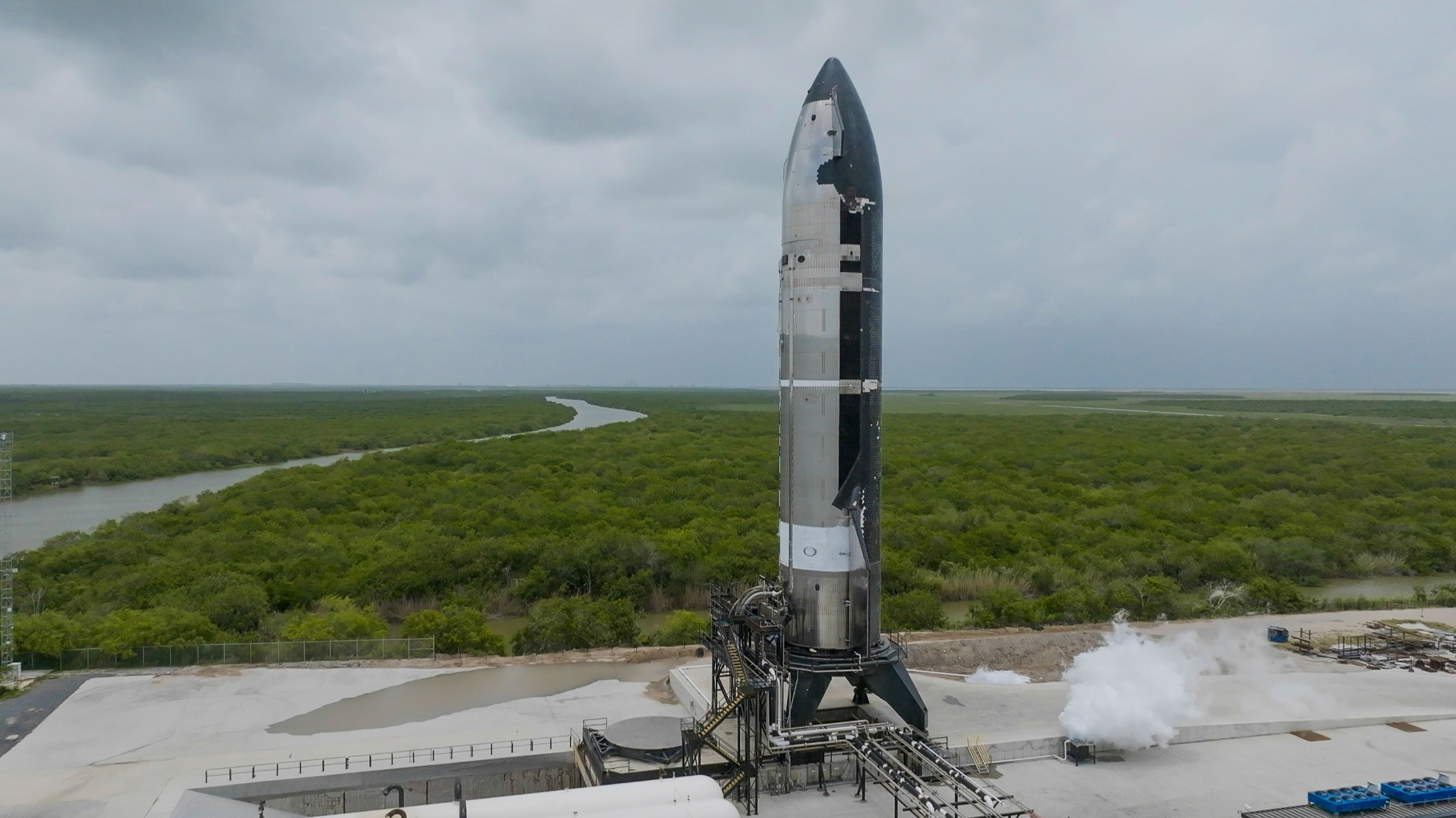
In his latest commentary, Musk acknowledged a mere “50/50 chance” of successfully sending a Starship to Mars within the next year. This admission underscores the significant engineering hurdles still to be addressed, including the effective transfer of propellant in orbit and the development of a reusable heat shield capable of withstanding the extreme conditions of Martian reentry.
The Learning Curve: A Culture of Failures
Despite these challenges, SpaceX maintains a philosophy of embracing failures as learning opportunities. After each explosion, data is collected to inform future designs and strategies. As noted by industry analysts, this approach has historically allowed SpaceX to iterate rapidly and improve its technology. Musk himself has remarked, “It takes three major iterations of any major new technology to have it really work well.” However, as the string of failures continues, even the most ardent supporters of SpaceX are starting to express concern about the viability of meeting set deadlines.
Future Implications: A Path Forward?
As SpaceX navigates these tumultuous waters, the road ahead is undoubtedly challenging. The company must not only perfect its Starship design but also ensure the safety and reliability of its missions in the face of increasing technical complexities. If successful, SpaceX could revolutionize space travel and open the door to crewed missions to Mars. Yet, as experts like Olivier de Weck from MIT suggest, the logistical hurdles are immense, and early timelines might need to be adjusted.
In conclusion, while SpaceX’s ambition to facilitate human colonization of Mars inspires a sense of wonder and possibility, the reality of technological and logistical challenges may temper expectations. As the company prepares for its next test flights, only time will tell if Musk’s dreams will materialize or if they will remain just that—dreams.