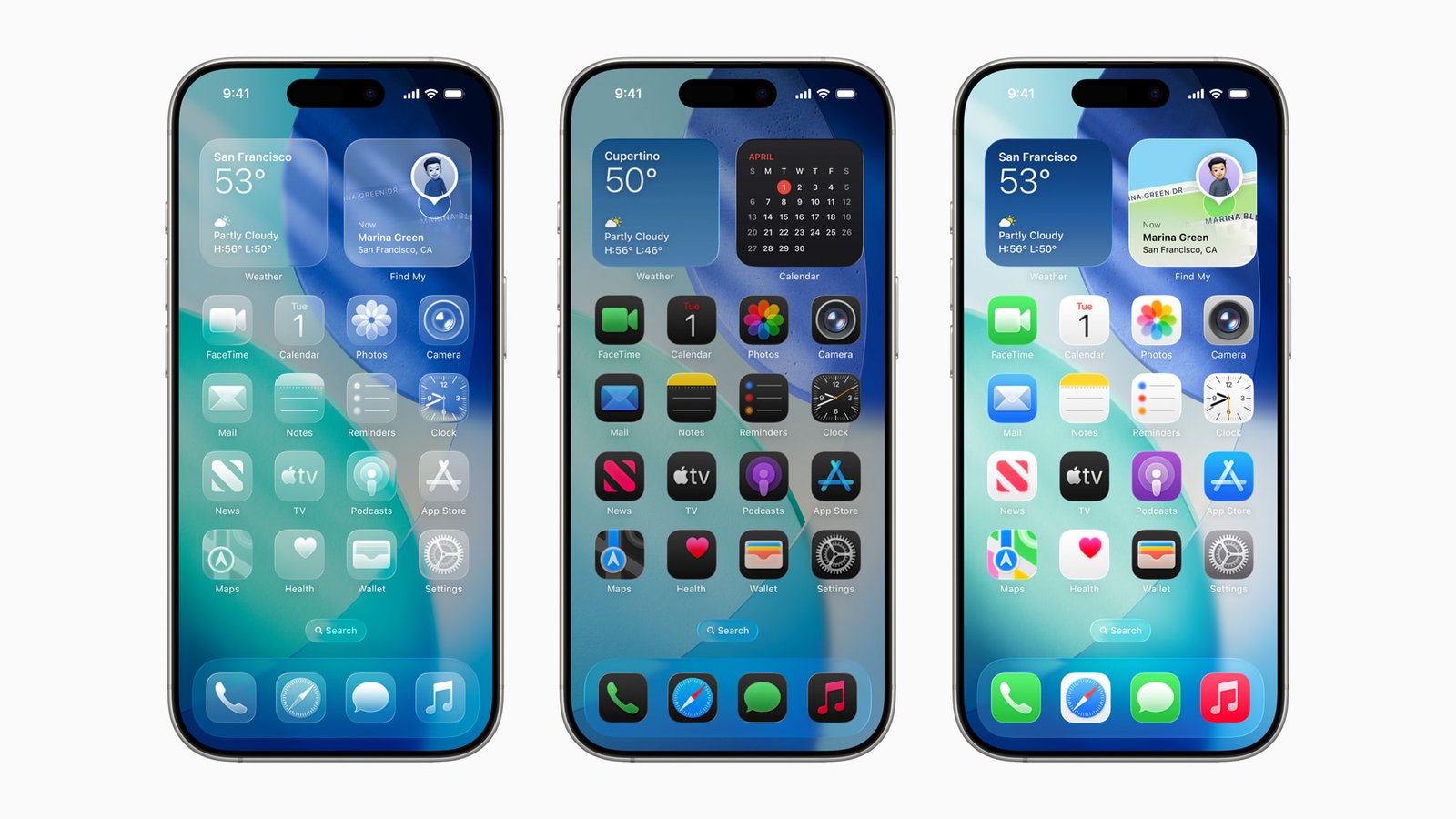
In a significant move to enhance user autonomy, Apple’s iOS 26 introduces a groundbreaking feature called the Recovery Assistant. This new utility promises to simplify the process of restoring an iPhone without relying on traditional Mac or PC setups. It’s a leap towards a more self-sufficient device, marking a pivotal moment in Apple’s ongoing evolution of iPhone capabilities.

A New Era of Device Independence
The iOS 26 Recovery Assistant is designed to tackle a common frustration for many iPhone users—software issues that hinder the device from booting up properly. Traditionally, resolving such issues necessitated access to a Mac or PC. Apple’s latest update, however, removes this dependency, allowing users to recover their iPhones autonomously.

How Does It Work?
Upon encountering a startup issue, an iPhone running iOS 26 will automatically enter Recovery mode. Here, the Recovery Assistant steps in, diagnosing the problem and attempting to fix it. Users can even leverage other Apple devices, like an iPad, to assist in the recovery process, further exemplifying Apple’s ecosystem integration. The potential for a fully standalone recovery, without even needing another Apple device, suggests a future where iPhone users are truly self-reliant.

Implications for the Future
This development is not just about convenience; it represents a strategic shift towards eliminating the need for physical ports altogether—a concept Apple has flirted with for years. The rumored port-less iPhone, once stalled by regulatory hurdles, now seems more feasible with software capabilities like the Recovery Assistant. As Apple continues to innovate, the iPhone may soon become a completely standalone device, untethered by traditional hardware constraints.
Conclusion
iOS 26’s Recovery Assistant is a testament to Apple’s commitment to user empowerment and device autonomy. By reducing reliance on external hardware for problem-solving, Apple not only enhances user convenience but also sets the stage for future innovations that could redefine the iPhone’s role in our digital lives. The dream of a fully independent iPhone ecosystem is closer than ever, and with each update, Apple edges nearer to this visionary goal.