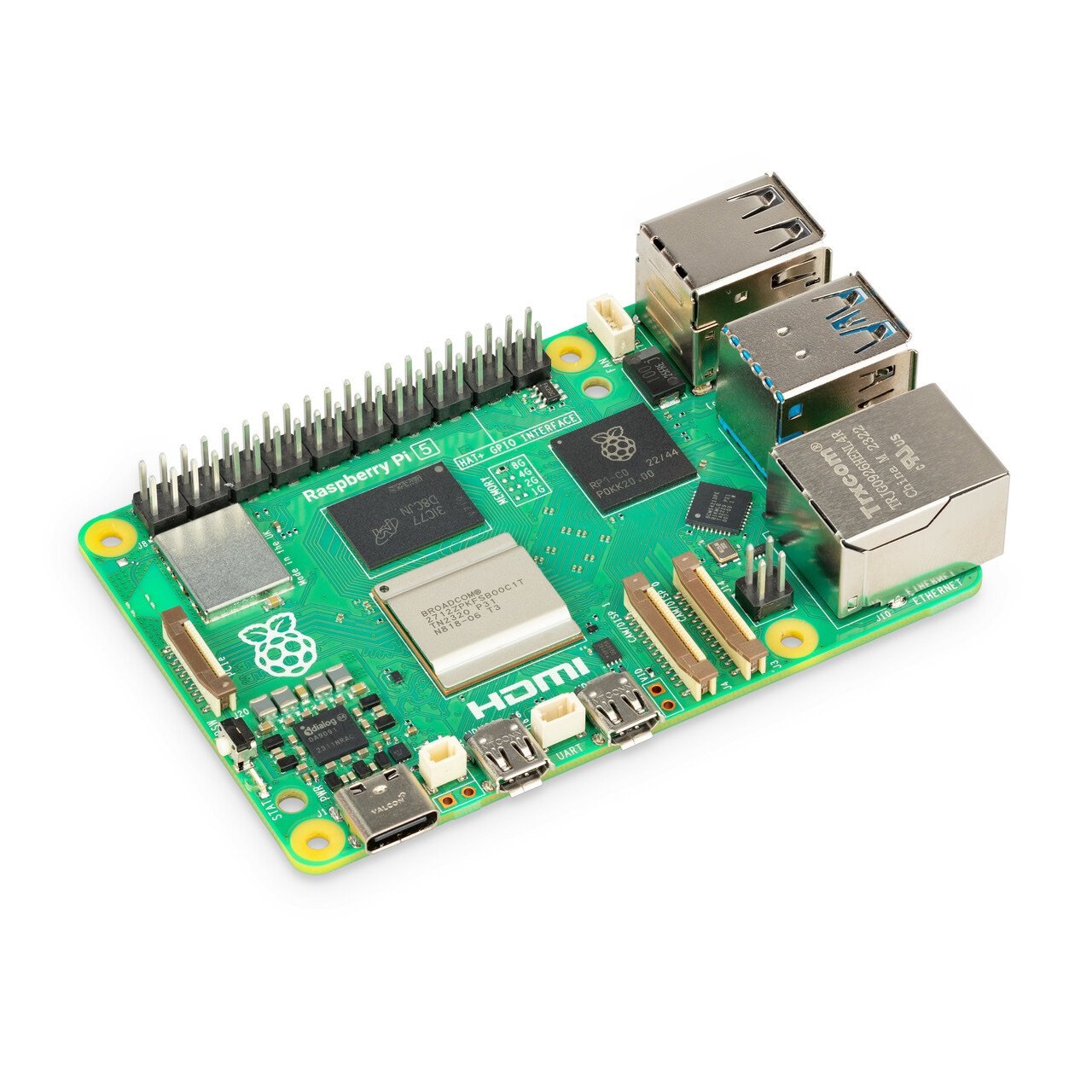
In a daring move that underscores the evolving sophistication of cybercriminals, a group of hackers recently attempted a high-stakes bank heist using a tiny, unassuming device—a Raspberry Pi equipped with a 4G modem. This audacious act involved physically placing the device within a bank’s ATM network, aiming to siphon off funds undetected.
The group behind this elaborate scheme, identified as UNC2891, has been active since 2017 and is known for its proficiency in targeting bank infrastructures. Their latest attempt, however, took a novel turn by leveraging the compact, yet powerful, Raspberry Pi to gain physical access to the bank’s internal network. This was not just a brute force attack; it was a meticulously planned operation that aimed to compromise the bank’s ATM switching server and manipulate the hardware security module.
The Role of Innovative Malware Techniques
What makes this case particularly intriguing is the use of advanced malware techniques to conceal the operation. The hackers employed a Linux bind mount, a method typically used in legitimate IT administration, but never before seen in cyberattacks. This technique allowed the malware to function like a rootkit, hiding from the operating system and evading detection by forensic tools.

Disguising malware processes as legitimate ones, the attackers used process masquerading to hide their activities. A binary named “lightdm” was used, mimicking a legitimate display manager found on Linux systems, effectively misleading forensic analysts during investigations.
Implications for Cybersecurity
This case highlights a significant challenge for cybersecurity professionals: the evolving tactics of threat actors who are increasingly blurring the lines between physical and digital infiltration. The use of a Raspberry Pi to gain physical entry into a bank’s network is a stark reminder of the multi-faceted nature of modern cyber threats.
Furthermore, the ability of UNC2891 to remain undetected for extended periods, as demonstrated in previous operations, poses a critical question for banks and financial institutions: How prepared are they to detect and thwart such sophisticated attacks? This incident serves as a wake-up call to bolster internal network security, improve monitoring systems, and educate employees about potential physical security threats.
Future Outlook
As cybercriminals continue to refine their tactics, the onus is on organizations to stay ahead of the curve. This means not only investing in advanced cybersecurity measures but also adopting a more holistic approach that considers both physical and digital threats. Moving forward, banks and other high-value targets must anticipate that attackers will continually seek new vulnerabilities to exploit, combining innovative technologies with clever social engineering tactics.
Ultimately, the battle between cyber defenders and attackers is a constantly evolving game of cat and mouse. By understanding the strategies used by groups like UNC2891, security teams can better prepare to defend against the next generation of cyber threats.