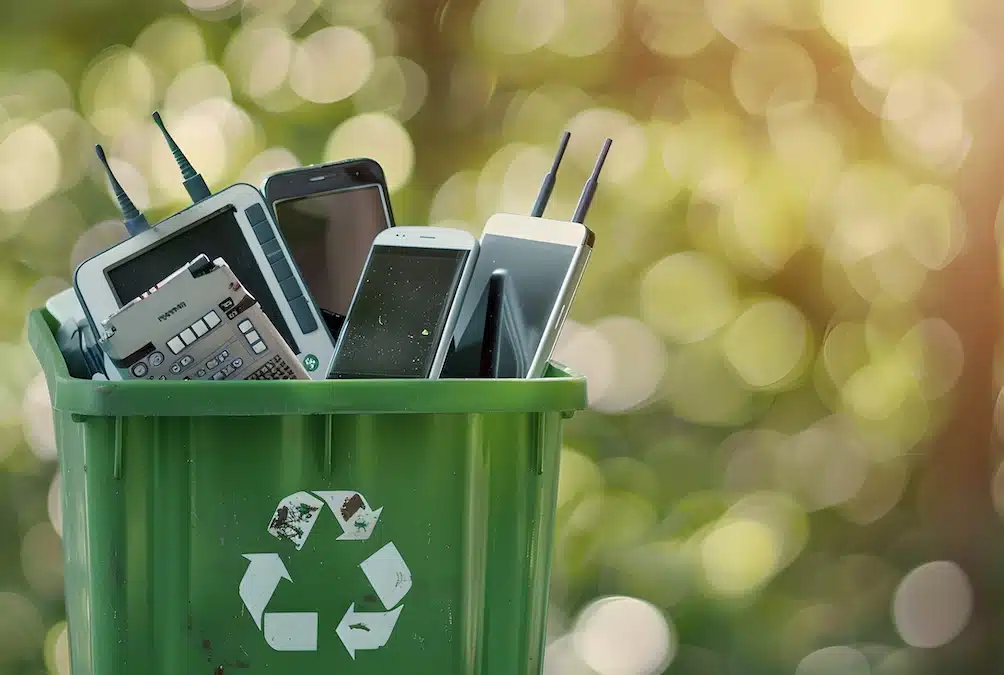
As technology continues to transform the world at an ever-increasing pace, a significant concern is also growing: electronics and their impact on the environment. As more people use gadgets, electronic waste, energy consumption, and the damage to the planet also increase. But as more electronics become more environmentally friendly, there is hope. These eco-friendly innovations are a significant step in conserving resources, reducing our carbon footprint, and creating a better future.
This article explores the importance of eco-friendly electronics, the key tools and practices, and how they can help the world become more sustainable.
Why should our electronics be eco-friendly?
Millions of electronic products are produced worldwide each year. This means demand for them is greater than ever. Electronics are used in almost every aspect of our daily lives, from phones and computers to home appliances and other gadgets. Unfortunately, these products often come with significant environmental costs. Many devices are made with chemicals and materials that are non-renewable and harmful to both humans and the planet.
Furthermore, the disposal of these electronics has become a significant problem. Electronic waste is one of the fastest-growing types of waste in the world. If not properly managed, it can pollute land and water. With the increasing production of electronic products, it is crucial to make them more environmentally friendly to prevent excessive pollution.
How can we make electronic products more environmentally friendly?
Eco-friendly electronics strive to reduce damage to the planet at every stage, from production to disposal. Key factors for eco-friendly electronics include the use of sustainable materials, lower energy consumption, recyclability, and a longer lifespan.
A key characteristic of eco-friendly electronics is that they use reusable, recyclable, or less hazardous materials. Examples include bioplastics, recycled metals, and stones that are not used in war. Energy-efficient electronics also contribute to a better world by reducing CO2 emissions and saving on energy bills. Furthermore, recyclable gadgets are easier to disassemble and reuse, meaning valuable resources are reused instead of being discarded. Finally, longer-lasting devices require less frequent replacement, reducing e-waste.
How eco-friendly electronics contribute to sustainable development?
Switching to eco-friendly electronics is more than just a trend; we need to transition to a better future. These electronics help reduce energy consumption, conserve resources, and limit the damage technology inflicts on the planet.
Energy efficiency is one of the biggest benefits of eco-friendly electronics. Many modern electronics incorporate energy-saving features, such as LED displays, energy-efficient computers, and more efficient power consumption. New refrigerators, air conditioners, and washing machines use less energy than older models. This results in lower energy bills and an overall reduction in carbon emissions. These electronics also consume less energy and can be powered by renewable energy, which is better for the environment.
Manufacturing is another important area where eco-friendly electronics play a role. Recycling, waste reduction, and the use of renewable energy are all important components of sustainable production. Eco-friendly production methods use fewer resources, generate less waste, and produce better products. Furthermore, eco-friendly electronics often use fewer or no hazardous materials, such as polyvinyl chloride (PVC). This makes them easier to recycle and safer to dispose of.
Eco-friendly technologies also support the concept of a sustainable economy, where products are manufactured to be refurbished, repaired, or recycled rather than discarded. These electronics are designed for easy recycling, which helps recover valuable materials used in production, such as gold, copper, and silver. Some companies even offer programs that allow customers to return old electronics for safe recycling or disposal. This approach can reduce smog and the amount of e-waste that ends up in the trash. Finally, eco-friendly electronics are safer and better for the planet. Old devices often contain hazardous substances such as lead, mercury, and cadmium, which can be harmful to the environment if not disposed of properly.
Another environmentally friendly technology is the use of energy-efficient home appliances, such as smart thermostats, energy-efficient washing machines, and freezers. These appliances can help people reduce their energy consumption, and many carry the Energy Star label, meaning they meet strict environmental standards.
Some companies are also leading the way in environmental sustainability by selling electronics made from recycled or upcycled materials. Some mobile phone manufacturers now use recyclable plastics in their products, while computers are made from materials that can be disassembled and reused.
Eco-friendly electronics are gaining popularity worldwide.
Eco-friendly electronics are gaining popularity worldwide thanks to consumer demand and government regulations. A study by the International Telecommunication Union (ITU) shows that governments worldwide are implementing regulations to support the production of energy-efficient electronics and the proper disposal of e-waste. Companies are also increasingly incorporating sustainability into their business plans, knowing that consumers want products that are good for the planet.
People are also increasingly demanding products that are better for the environment. Nowadays, many people are more aware of the impact their purchases have on the planet and are choosing to buy more environmentally friendly products. Companies are therefore placing greater emphasis on the eco-friendly features of their products, such as energy efficiency, recyclability, and the use of sustainable materials.
Eco-Friendly Electronics Comparison
| Feature | Traditional Electronics | Eco-Friendly Electronics |
|---|---|---|
| Energy Consumption | Higher power usage | Lower energy consumption, energy-efficient components |
| Materials | Use of toxic materials | Sustainable materials, recyclable components |
| Lifespan | Shorter lifespan, frequent replacements | Longer lifespan, less frequent replacements |
| Recyclability | Low recyclability | High recyclability, designed for reuse |
| Environmental Impact | Contributes to e-waste and pollution | Reduced environmental impact, safer disposal |
FAQ
1. How can I make my electronics more eco-friendly?
To make your electronics more eco-friendly, opt for energy-efficient models, choose devices made from sustainable materials, and recycle your old electronics properly. Many brands now offer recycling programs that allow you to return your old products for responsible disposal.
2. What are the best eco-friendly electronics brands?
Several brands are leading the way in sustainable electronics, including Apple, Samsung, Fairphone, and Dell. These companies are incorporating recycled materials into their products, reducing their carbon footprint, and following eco-friendly manufacturing practices.
3. How does recycling electronics help the environment?
Recycling electronics helps reduce e-waste, conserves valuable materials, and prevents toxic chemicals from entering the environment. By recycling electronics, valuable metals like gold, silver, and copper can be extracted and reused, minimizing the need for new mining and reducing pollution.
4. Are solar-powered electronics effective?
Yes, solar-powered electronics are highly effective, especially in areas with abundant sunlight. They provide a renewable energy source, reduce electricity costs, and help decrease reliance on non-renewable resources.
Conclusion
Eco-friendly electronics are not just a trend but a necessity for ensuring a greener, more sustainable future. By adopting energy-efficient practices, using recyclable materials, and embracing new technologies, we can reduce the environmental impact of electronics. Whether you’re upgrading your current gadgets or making more sustainable choices, choosing eco-friendly electronics is a step in the right direction toward a cleaner, healthier planet.