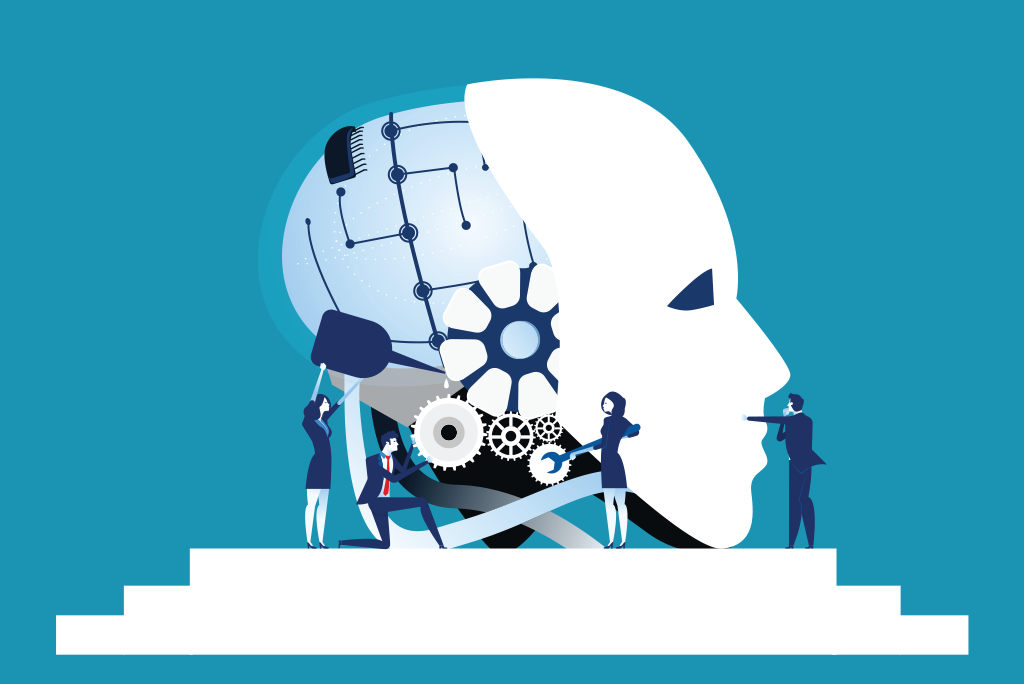
Artificial intelligence has transformed from science fiction fantasy into everyday reality. From recommendation algorithms that curate our social media feeds to autonomous vehicles navigating city streets, AI systems now influence countless aspects of our lives. Yet as these technologies become more sophisticated and widespread, a critical question emerges: How do we ensure AI development serves humanity’s best interests?
AI ethics encompasses the moral principles and guidelines that should govern the design, development, and deployment of artificial intelligence systems. This field addresses fundamental questions about fairness, transparency, accountability, and human welfare in an increasingly automated world. For developers, understanding these ethical considerations isn’t just about avoiding negative headlines—it’s about building technology that genuinely improves lives while minimizing harm.
The stakes couldn’t be higher. Poor ethical decisions during AI development can perpetuate societal biases, violate privacy rights, and displace workers without adequate support systems. Meanwhile, thoughtful ethical practices can help create AI systems that are fair, trustworthy, and beneficial for all.
Identifying Key Ethical Challenges
Algorithmic Bias and Fairness
Bias represents one of the most pervasive challenges in AI development. Machine learning algorithms learn patterns from training data, and when that data reflects historical inequalities or prejudices, AI systems can amplify these problems at scale.
Consider facial recognition technology, which has shown significantly higher error rates for women and people of color compared to white men. These disparities occur because training datasets often lack diverse representation, leading to systems that perform poorly for underrepresented groups. The consequences extend far beyond technical accuracy—biased AI systems can perpetuate discrimination in hiring, lending, criminal justice, and healthcare.
Bias can emerge at multiple stages of AI development. Data collection methods might systematically exclude certain populations. Labeling processes may reflect the unconscious biases of human annotators. Even seemingly neutral features can serve as proxies for protected characteristics, creating indirect discrimination.
Privacy and Surveillance Concerns
AI systems often require vast amounts of personal data to function effectively. This data hunger creates significant privacy challenges, particularly as AI becomes capable of inferring sensitive information from seemingly innocuous data points.
Location tracking, browsing histories, purchasing patterns, and social media activity can reveal intimate details about individuals’ lives, relationships, health conditions, and political beliefs. When combined with AI’s pattern recognition capabilities, this information becomes even more revealing and potentially invasive.
The rise of facial recognition technology in public spaces exemplifies these concerns. While proponents argue these systems enhance security, critics worry about creating surveillance states where privacy becomes obsolete. Citizens may alter their behavior knowing they’re being monitored, potentially chilling free expression and association.
Employment and Economic Displacement
Automation has historically displaced certain types of work while creating new opportunities elsewhere. However, AI’s scope and speed raise unprecedented questions about economic disruption. Unlike previous technological shifts that primarily affected manual labor, AI threatens to automate cognitive tasks across various skill levels.
Transportation, customer service, data analysis, and even creative fields face potential disruption from AI automation. While new jobs will likely emerge, the transition period could create significant hardship for displaced workers, particularly those without resources for retraining or relocation.
The challenge extends beyond individual workers to entire communities built around industries facing automation. Economic inequality could worsen if AI’s benefits primarily accrue to those who own the technology while costs fall on those whose jobs are automated.
Real-World Case Studies
Healthcare AI Disparities
A widely-cited study revealed that a healthcare algorithm used by hospitals to identify patients needing additional care exhibited significant racial bias. The system incorrectly concluded that Black patients were healthier than equally sick white patients, leading to unequal treatment recommendations.
The bias occurred because the algorithm used healthcare spending as a proxy for medical need. Since Black patients historically had less access to healthcare and therefore lower spending, the system interpreted this as indicating better health. This case demonstrates how seemingly objective metrics can mask systemic inequalities.
Social Media Content Moderation
Major social media platforms rely heavily on AI to moderate billions of posts daily. However, these systems struggle with context, cultural nuances, and evolving language patterns. Content moderation AI has mistakenly censored historical documents, art, and legitimate political discourse while failing to catch genuinely harmful content.
The challenge is particularly acute for users from marginalized communities, whose content may be disproportionately flagged due to language patterns or cultural references that AI systems don’t recognize. This creates a form of digital discrimination that can silence important voices.
Autonomous Vehicle Dilemmas
Self-driving cars must make split-second decisions in emergency situations, raising complex ethical questions about how AI should prioritize different lives. Should an autonomous vehicle swerve to avoid a child while potentially endangering its passenger? How should these systems weigh the lives of different individuals?
These scenarios, often called “trolley problems,” highlight the difficulty of encoding moral reasoning into AI systems. Different cultures and individuals may have varying ethical frameworks, yet developers must program specific decision-making rules into autonomous systems.
Mitigation Strategies
Diverse and Inclusive Development Teams
Building ethical AI starts with diverse perspectives throughout the development process. Teams that include individuals from different backgrounds, cultures, and disciplines are better positioned to identify potential biases and ethical concerns before they become embedded in systems.
This diversity should extend beyond demographics to include varied professional backgrounds. Ethicists, social scientists, community advocates, and domain experts can provide valuable insights that purely technical teams might miss. Regular consultation with affected communities can help identify concerns early in the development process.
Robust Testing and Validation
Comprehensive testing protocols should evaluate AI systems not just for accuracy but for fairness across different populations and use cases. This includes testing with diverse datasets, analyzing performance disparities between groups, and conducting adversarial testing to identify potential failure modes.
Red team exercises, where dedicated teams attempt to find ethical problems and system vulnerabilities, can help identify issues before deployment. Regular audits of deployed systems can catch problems that emerge over time as data patterns change or edge cases arise.
Transparent and Explainable AI
Developing AI systems that can explain their decision-making processes helps build trust and enables accountability. While some advanced AI techniques inherently lack interpretability, developers can often provide meaningful explanations of how systems reach decisions.
Transparency also extends to being clear about system limitations, potential biases, and appropriate use cases. Users and stakeholders should understand what AI systems can and cannot do, helping prevent misuse or overreliance on automated decisions.
Ethical Frameworks and Guidelines
Organizations should establish clear ethical principles and review processes for AI development. These frameworks should address key questions like fairness, transparency, accountability, and human oversight. Regular ethics reviews at different stages of development can help ensure these principles are followed in practice.
Industry standards and best practices are evolving rapidly, making it important for organizations to stay current with ethical AI research and recommendations from professional organizations, academic institutions, and regulatory bodies.
Frequently Asked Questions
How can small development teams implement ethical AI practices with limited resources?
Small teams can start with existing frameworks and tools rather than building everything from scratch. Open-source bias detection libraries, diverse dataset repositories, and ethical AI checklists provide accessible starting points. Partnering with academic institutions or ethics organizations can provide expert guidance without significant costs.
What role should regulation play in AI ethics?
Regulation can establish minimum standards and accountability mechanisms, but it shouldn’t be the only approach. Industry self-regulation, professional standards, and market forces all play important roles. The key is finding the right balance that promotes innovation while protecting public interests.
How do cultural differences affect AI ethics?
Different cultures have varying ethical frameworks and priorities, which can create challenges for global AI systems. Developers should consider cultural context when designing systems for international use and involve local stakeholders in the development process.
Can AI systems be completely free from bias?
Complete elimination of bias is likely impossible since AI systems reflect patterns in human-generated data and are designed by humans with inherent biases. However, developers can work to minimize harmful biases and ensure systems are as fair and equitable as possible.
Building a More Ethical Future
The ethical challenges in AI development are complex and evolving, but they’re not insurmountable. By acknowledging these issues and taking proactive steps to address them, developers can create AI systems that truly serve humanity’s best interests.
Success requires ongoing commitment rather than one-time fixes. Ethical AI development is an iterative process that demands continuous learning, adaptation, and improvement. As AI capabilities expand and new applications emerge, the ethical considerations will continue to evolve.
The future of AI depends not just on technical breakthroughs but on our collective commitment to developing these powerful technologies responsibly. Every developer, organization, and stakeholder has a role to play in ensuring AI becomes a force for positive change rather than harm.
The path forward requires collaboration between technologists, ethicists, policymakers, and communities. By working together and prioritizing ethical considerations from the earliest stages of development, we can harness AI’s immense potential while safeguarding human values and dignity.