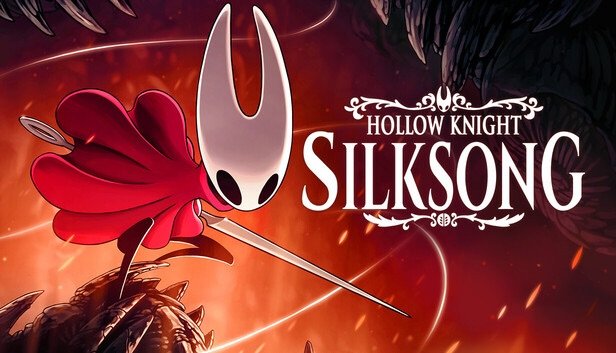
After six years of anticipation, Hollow Knight: Silksong has finally arrived, carrying the enormous weight of expectations from fans who made its predecessor an indie phenomenon. Developed by Team Cherry, this highly anticipated sequel introduces players to Hornet’s journey through a new kingdom, but the question remains: does Silksong deliver the innovation fans hoped for, or does it play things too safe?
Hornet’s Agile Arsenal
Silksong immediately distinguishes itself through its protagonist’s enhanced mobility and combat system. Hornet moves with a fluidity that surpasses the original Knight, featuring diagonal needle strikes, aerial healing abilities, and a suite of tools that fundamentally change how players approach encounters. This increased agility transforms the core gameplay loop, demanding faster reflexes and more strategic positioning. The enemy design responds in kind—adversaries are more aggressive and unpredictable, creating encounters that feel genuinely fresh rather than merely recycled from the original game.
Polished Familiarity
Visually, Silksong represents a clear evolution of Team Cherry’s distinctive art style. The hand-drawn animations are more fluid, the environmental details richer, and the atmospheric lighting more sophisticated. Yet this technical polish comes alongside a design philosophy that prioritizes refinement over revolution. The game’s structure, progression mechanics, and core exploration loop will feel immediately familiar to Hollow Knight veterans. This approach has divided critics: some praise the developers for perfecting a proven formula, while others argue that such conservatism fails to justify the extended development period.
The Difficulty Debate
Perhaps no aspect of Silksong has generated more discussion than its punishing difficulty curve. The game’s resource management system is notably more restrictive than its predecessor’s, forcing players to carefully consider every healing opportunity and tool usage. Boss encounters demand precise timing and pattern recognition, often requiring dozens of attempts to master. While hardcore fans celebrate this uncompromising design, accessibility advocates worry that such difficulty spikes may alienate potential newcomers to the series. The challenge lies not just in execution, but in whether this difficulty serves the game’s broader artistic vision or simply caters to a vocal subset of the fanbase.
Community Reception
Early player reactions reveal a community grappling with conflicting expectations. Long-time fans appreciate the mechanical refinements and atmospheric depth, praising Team Cherry’s attention to detail and commitment to responsive controls. However, newcomers often struggle with the steep learning curve and unforgiving progression system. The game’s reception highlights a broader challenge facing beloved indie sequels: how to honor the original while attracting new audiences. Initial sales figures and streaming metrics suggest strong engagement among existing fans, though broader market penetration remains to be seen.
Key Takeaways
- Silksong delivers refined gameplay mechanics that enhance rather than revolutionize the Hollow Knight formula.
- The game’s increased difficulty creates a rewarding but potentially exclusionary experience that may limit its appeal.
- Technical and artistic improvements are undeniable, but the conservative design approach raises questions about innovation versus iteration.
Verdict
Hollow Knight: Silksong succeeds as a meticulously crafted sequel that honors its predecessor’s legacy while introducing meaningful mechanical improvements. Whether this constitutes sufficient innovation depends largely on individual expectations and tolerance for familiar territory. Team Cherry has delivered a game that will satisfy dedicated fans seeking more of what they loved, but those hoping for a bold reimagining of the formula may find themselves wanting. As the dust settles on this long-awaited release, Silksong stands as both a testament to careful craftsmanship and a reminder of the challenges inherent in following up a modern classic.