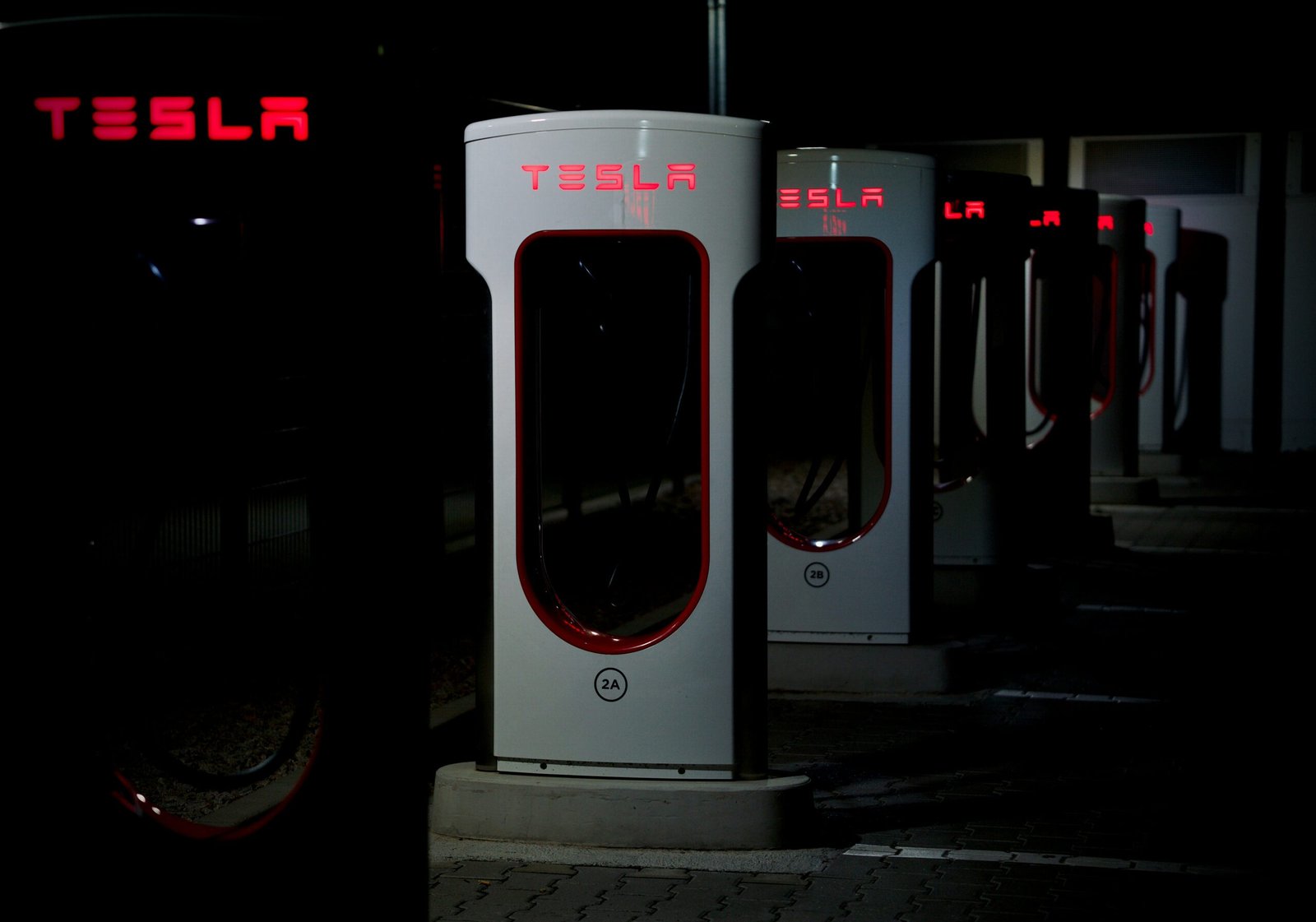
Tesla revolutionized the automotive industry in 2012 when it introduced seamless over-the-air software updates—a capability that continues to leave competitors scrambling to catch up more than a decade later. Despite billions in investment and extensive R&D efforts from traditional automakers, Tesla’s dominance in software update frequency, scope, and execution remains virtually unchallenged.
The Power of Over-the-Air Updates
Tesla’s over-the-air (OTA) updates represent far more than routine bug fixes or minor performance tweaks—they fundamentally transform vehicles into continuously evolving platforms. In just the first six months after launching their OTA system, Tesla deployed an impressive 42 updates, demonstrating an unprecedented commitment to rapid iteration and customer value delivery. This approach enables Tesla to introduce substantial new features, critical safety enhancements, and entertainment options instantly, eliminating the traditional dealership service model for software improvements.
Competitors Playing Catch-Up
The contrast between Tesla and legacy automakers is stark. While General Motors actually pioneered automotive OTA capabilities in 2010—two years before Tesla—their implementation remained severely limited in scope and ambition. Today, most traditional manufacturers struggle to deliver comprehensive software updates more than once annually, a glacial pace that exposes deep-rooted challenges in modernizing legacy infrastructure, supply chain relationships, and development processes. This sluggish update cadence reflects broader organizational inertia rather than technical limitations.
A Double-Edged Sword?
Tesla’s aggressive update strategy, while innovative, raises important questions about product development philosophy. Frequent updates can signal proactive innovation and responsiveness to customer needs, but they may also suggest a “ship now, fix later” mentality reminiscent of the gaming industry’s reliance on day-one patches. However, the stakes in automotive applications are exponentially higher—vehicles operate at high speeds in safety-critical environments where software failures can have catastrophic consequences, not merely frustrated users.
Looking Forward: The Future of Car Software
As vehicles become increasingly software-defined, Tesla’s update strategy offers a compelling blueprint for sustained customer engagement and competitive differentiation. The company has demonstrated that continuous improvement through regular updates can extend product lifecycles and enhance customer satisfaction. However, this approach demands rigorous quality assurance and a fundamental shift in how manufacturers balance innovation velocity with the automotive industry’s traditional emphasis on reliability and safety. Success requires not just technical capability, but organizational transformation.
Key Takeaways
- Tesla’s OTA update frequency and scope remain unmatched despite over a decade of competitor efforts
- Legacy automakers face organizational and infrastructure barriers beyond mere technical challenges
- Frequent updates must be balanced against automotive safety requirements and reliability standards
- Software-defined vehicles represent the industry’s future, demanding new development and quality paradigms
Conclusion
Tesla’s mastery of over-the-air updates exemplifies the broader transformation toward software-centric automotive innovation. The company’s ability to continuously enhance vehicle capabilities post-purchase has redefined customer expectations and competitive dynamics. As the industry evolves, the critical challenge lies in maintaining Tesla’s pace of innovation while upholding the automotive sector’s fundamental commitment to safety and reliability. The race toward a software-first automotive future is accelerating, with Tesla maintaining a commanding lead that shows no signs of diminishing.