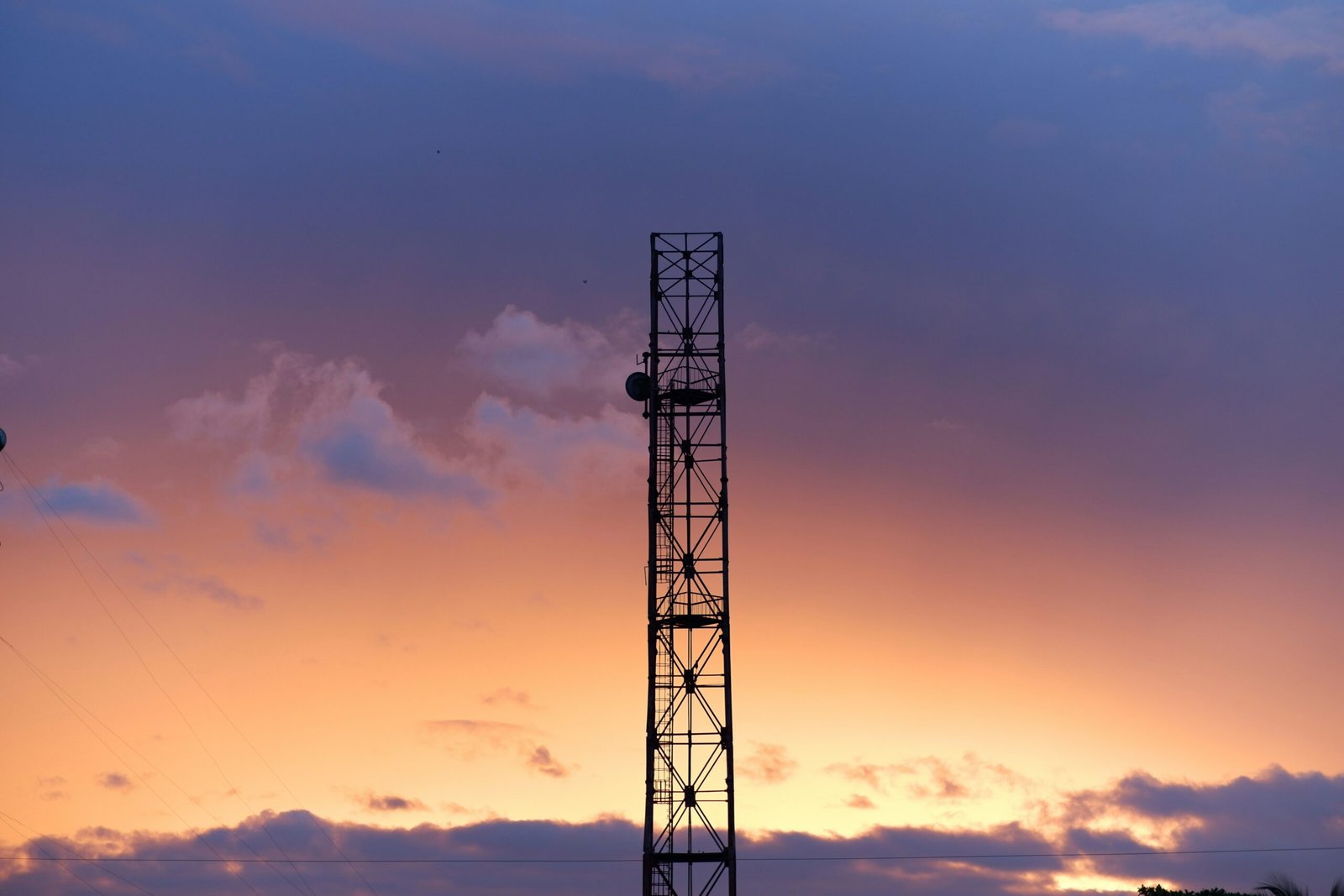
Federal investigators have uncovered a sophisticated plot to cripple New York City’s telecommunications infrastructure, revealing an operation of unprecedented scale and complexity. The scheme, which authorities have linked to Chinese actors, was disrupted by the U.S. Secret Service just as world leaders gathered for the United Nations General Assembly—timing that underscores both the plot’s strategic nature and its potential for global disruption.
Anatomy of a Digital Weapon
The operation’s technical sophistication was staggering. At its core were SIM farms—massive clusters of SIM cards deployed in abandoned buildings throughout the city—capable of generating up to 30 million text messages per minute. This overwhelming volume of traffic was designed to flood cellular networks, effectively creating a distributed denial-of-service attack against the city’s telecommunications backbone. The result would have been catastrophic: disabled cell towers, blocked emergency communications, and a complete breakdown of both civilian and government communications networks.
Strategic Timing and High-Value Targets
The attack’s timing was no coincidence. Orchestrated to coincide with the arrival of over 150 world leaders—including then-President Donald Trump—the plot aimed to maximize chaos during one of New York’s most security-sensitive events. By targeting the telecommunications infrastructure supporting both the UN General Assembly and the city’s emergency response systems, the attackers sought to create a communications blackout that would have severely hampered law enforcement coordination and crisis response capabilities.
“The potential for disruption to our country’s telecommunications posed by this network of devices cannot be overstated,” said Secret Service Director Sean Curran in a statement.
National Security in the Digital Age
This incident exposes critical vulnerabilities in America’s telecommunications infrastructure and highlights how cyber warfare has evolved beyond traditional network intrusions. Modern telecommunications systems represent a single point of failure that, when compromised, can cascade across multiple sectors—from emergency services and financial markets to government operations and public safety. The suspected foreign state involvement elevates this from a criminal matter to a national security crisis, demonstrating how adversaries can weaponize civilian infrastructure against strategic targets.
Key Takeaways
- Critical infrastructure remains vulnerable to sophisticated, coordinated cyber attacks that blur the line between digital and physical warfare.
- Strategic timing with high-profile international events reveals the geopolitical calculations behind state-sponsored cyber operations.
- Current cybersecurity frameworks require immediate enhancement to address hybrid threats targeting telecommunications infrastructure.
The Path Forward
This foiled attack represents a watershed moment in understanding how adversaries view and exploit America’s digital infrastructure. As telecommunications networks become increasingly central to national security, economic stability, and public safety, the distinction between cyber and physical threats continues to dissolve. The incident demands a fundamental reassessment of how we protect critical infrastructure, requiring integrated defense strategies that address both digital vulnerabilities and their real-world consequences. Only through such comprehensive approaches can we hope to stay ahead of increasingly sophisticated threats to our interconnected society.