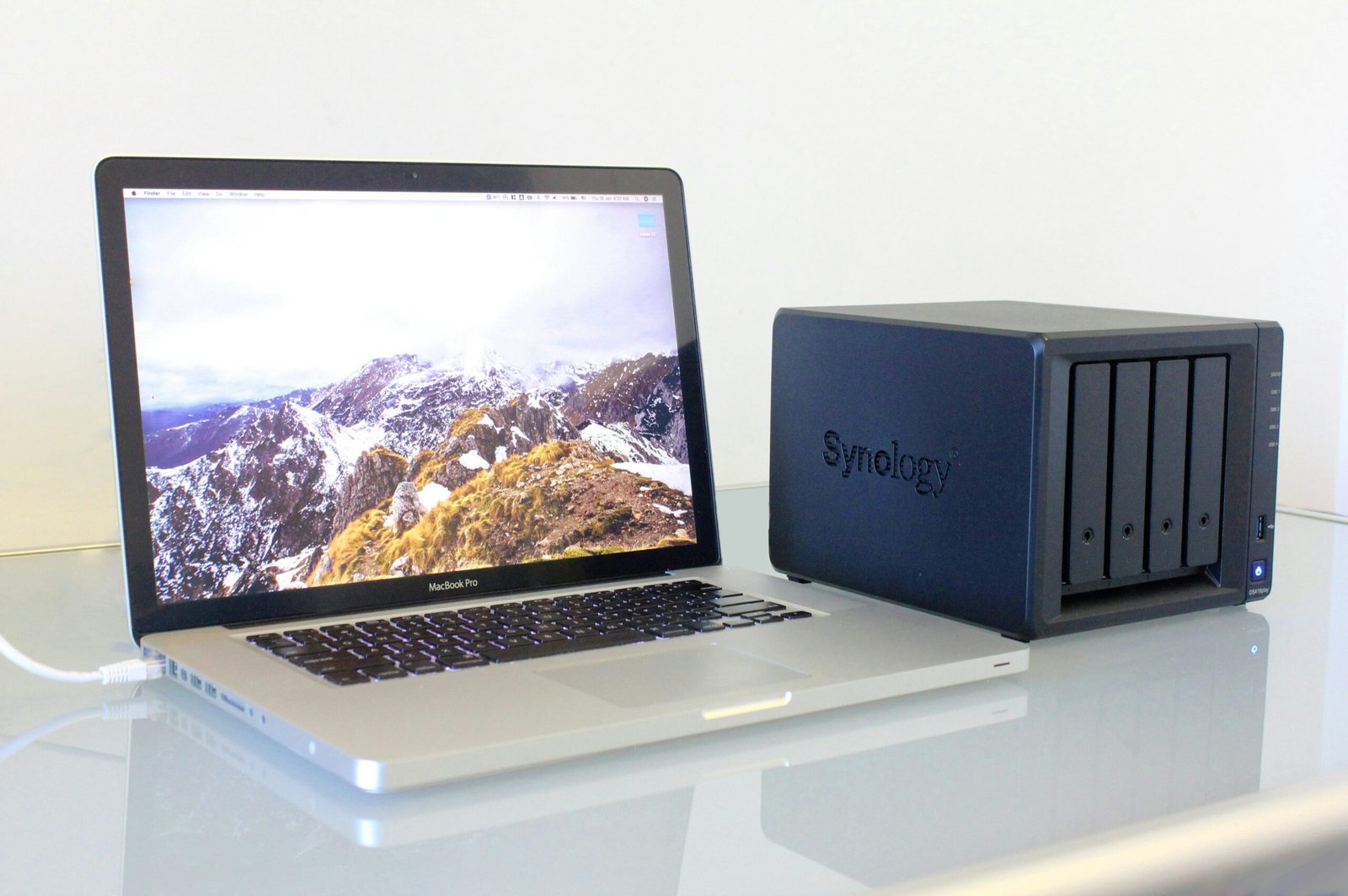
Synology has reversed its controversial policy restricting third-party hard drives and SSDs in its network-attached storage (NAS) devices, marking a dramatic about-face following declining sales and fierce user backlash. The company’s latest DiskStation Manager (DSM) 7.3 update restores full compatibility with non-Synology drives, effectively abandoning a strategy that alienated its core customer base.
The Policy That Backfired
Synology’s drive validation policy, implemented earlier this year, required users to purchase the company’s own branded storage drives to maintain full system functionality. While Synology positioned this as a quality assurance measure to ensure compatibility and reliability, the market response was swift and unforgiving. Users who had long relied on cost-effective third-party drives from established manufacturers like Seagate, Western Digital, and Toshiba found themselves locked into a significantly more expensive ecosystem.
Market Revolt and Financial Impact
The tech community’s reaction was immediate and decisive. Online forums, Reddit discussions, and social media platforms erupted with criticism as users condemned what many perceived as an anti-consumer cash grab. The backlash transcended typical online complaints—it translated directly into purchasing decisions. Synology experienced a measurable decline in NAS sales as customers either delayed purchases or migrated to competitors like QNAP and Asustor, which continued supporting third-party drives.
“Users value the ability to customize their NAS setups. Restricting drive options not only increased costs but also reduced the appeal of Synology’s otherwise user-friendly systems,” remarked a tech analyst.
DSM 7.3: Full Retreat and Restoration
The DSM 7.3 update represents a complete reversal of Synology’s restrictive approach. Third-party drives now receive full system integration, including comprehensive health monitoring, SMART data reporting, and alert functionality—features that were previously disabled for non-Synology hardware. This restoration effectively returns the platform to its pre-restriction state, acknowledging that the company’s attempt to create a walled garden for storage hardware was fundamentally flawed.
Strategic Implications and Trust Recovery
This policy reversal exposes critical misjudgments in Synology’s strategic planning. The company underestimated both the price sensitivity of its customer base and the competitive landscape’s dynamics. For a brand built on flexibility and user empowerment, the drive restrictions represented a fundamental departure from core values that customers had come to expect.
The reversal may restore technical functionality, but rebuilding customer trust presents a more complex challenge. Synology must now demonstrate that this policy change reflects genuine commitment to user-centric design rather than mere damage control. The company’s future credibility depends on maintaining transparent communication about product decisions and avoiding similar restrictive policies.
Key Takeaways
- Synology’s drive validation policy triggered significant sales decline and widespread customer defection to competitors.
- DSM 7.3 fully restores third-party drive compatibility, including monitoring and alert features previously disabled.
- The reversal highlights the risks of implementing restrictive policies that conflict with established user expectations and market dynamics.
Conclusion
Synology’s rapid policy reversal demonstrates the power of market forces and community feedback in the technology sector. The episode serves as a stark reminder that even established brands cannot impose restrictive policies without consequence, particularly when those policies conflict with fundamental user values like choice and cost-effectiveness. As Synology works to rebuild its reputation, the company’s handling of future policy decisions will be closely scrutinized by a user base that has proven willing to vote with their wallets.