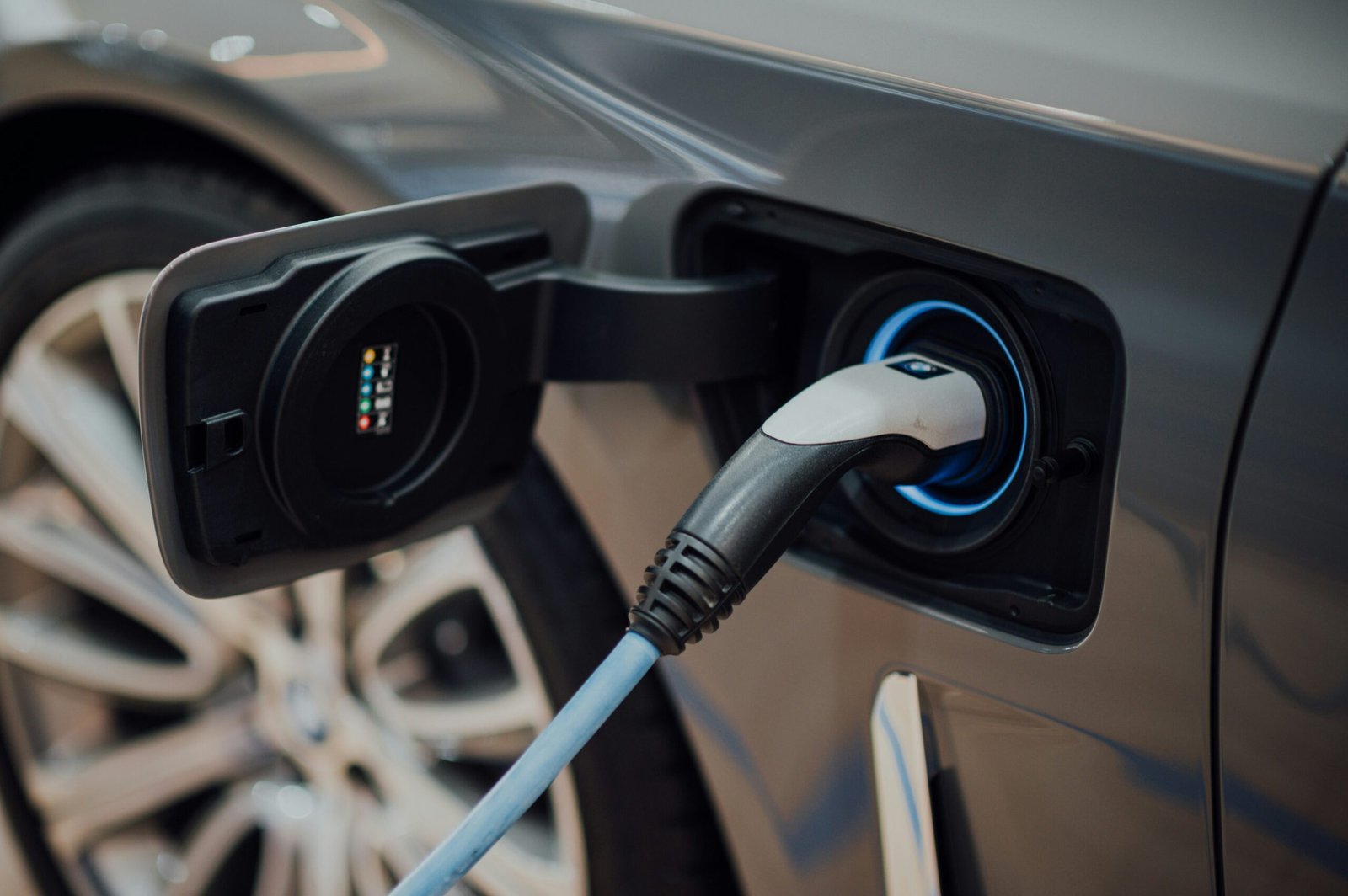
The global electric vehicle (EV) market, once positioned as the inevitable future of sustainable transportation, now faces a complex web of political and economic headwinds that are forcing governments to recalibrate their ambitious electrification timelines. Recent policy reversals in Canada, the United States, and the United Kingdom signal a strategic pause rather than outright abandonment, raising critical questions about the pace and feasibility of the world’s transition away from internal combustion engines.
Policy Retreats Signal Market Realities
Canada’s recent decision to delay its electric vehicle sales mandate, originally scheduled for implementation next year, exemplifies a growing trend of pragmatic policy adjustment. According to the Wall Street Journal, this pause reflects mounting concerns about infrastructure readiness and supply chain constraints that have plagued the industry globally. The UK has similarly adopted a more flexible timeline for its EV targets, acknowledging the gap between ambitious goals and market realities. These adjustments aren’t necessarily retreats from climate commitments, but rather recognition that sustainable transitions require sustainable timelines.
America’s Strategic Misstep Creates Competitive Vacuum
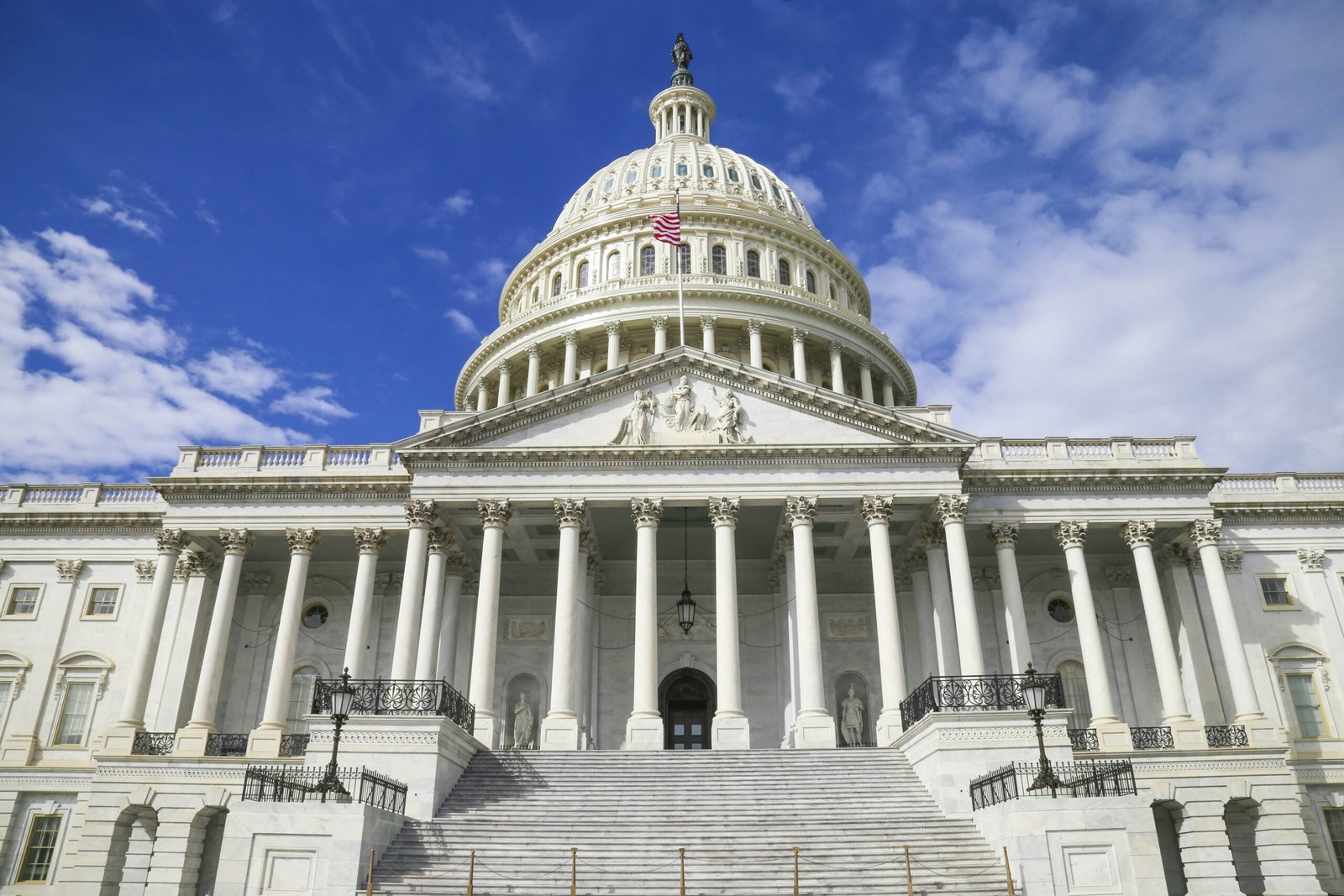
The rollback of EV incentives during the Trump administration represents perhaps the most consequential policy reversal in the sector. The elimination of federal tax credits and reduced infrastructure investment has effectively ceded market leadership to China, which now dominates both EV manufacturing and the critical supply chains for batteries and rare-earth minerals. This strategic withdrawal from a key growth industry appears particularly shortsighted given bipartisan support for reducing dependence on foreign energy sources and maintaining technological competitiveness.
Entrenched Interests vs. Market Evolution
The fossil fuel industry’s resistance to electrification remains a formidable force, leveraging substantial lobbying resources and established distribution networks to slow the transition. However, this opposition faces mounting pressure from both regulatory requirements and shifting consumer preferences. Meanwhile, specialized companies like Carwood are carving out niches in the evolving ecosystem, focusing on remanufactured electric components and performance upgrades that address current technological limitations while building the infrastructure for broader adoption.
Consumer Demand Drives Innovation Despite Policy Uncertainty
Even as governments waver on mandates, consumer interest in electric mobility continues to expand beyond traditional passenger vehicles. The surge in electric bike sales, enhanced battery technologies, and micro-mobility solutions demonstrates that market demand for sustainable transportation extends far beyond policy requirements. This grassroots adoption suggests that the EV transition may prove more resilient to political shifts than current policy reversals might indicate.
Navigating the Road Ahead
The current recalibration of EV policies reflects the natural tension between ambitious climate goals and practical implementation challenges. Rather than signaling the end of the electric transition, these adjustments may ultimately strengthen the industry by forcing more realistic timelines and sustainable business models. Success will require coordinated efforts between policymakers, manufacturers, and infrastructure developers to address legitimate concerns about charging networks, supply chain resilience, and consumer affordability while maintaining momentum toward decarbonization goals.