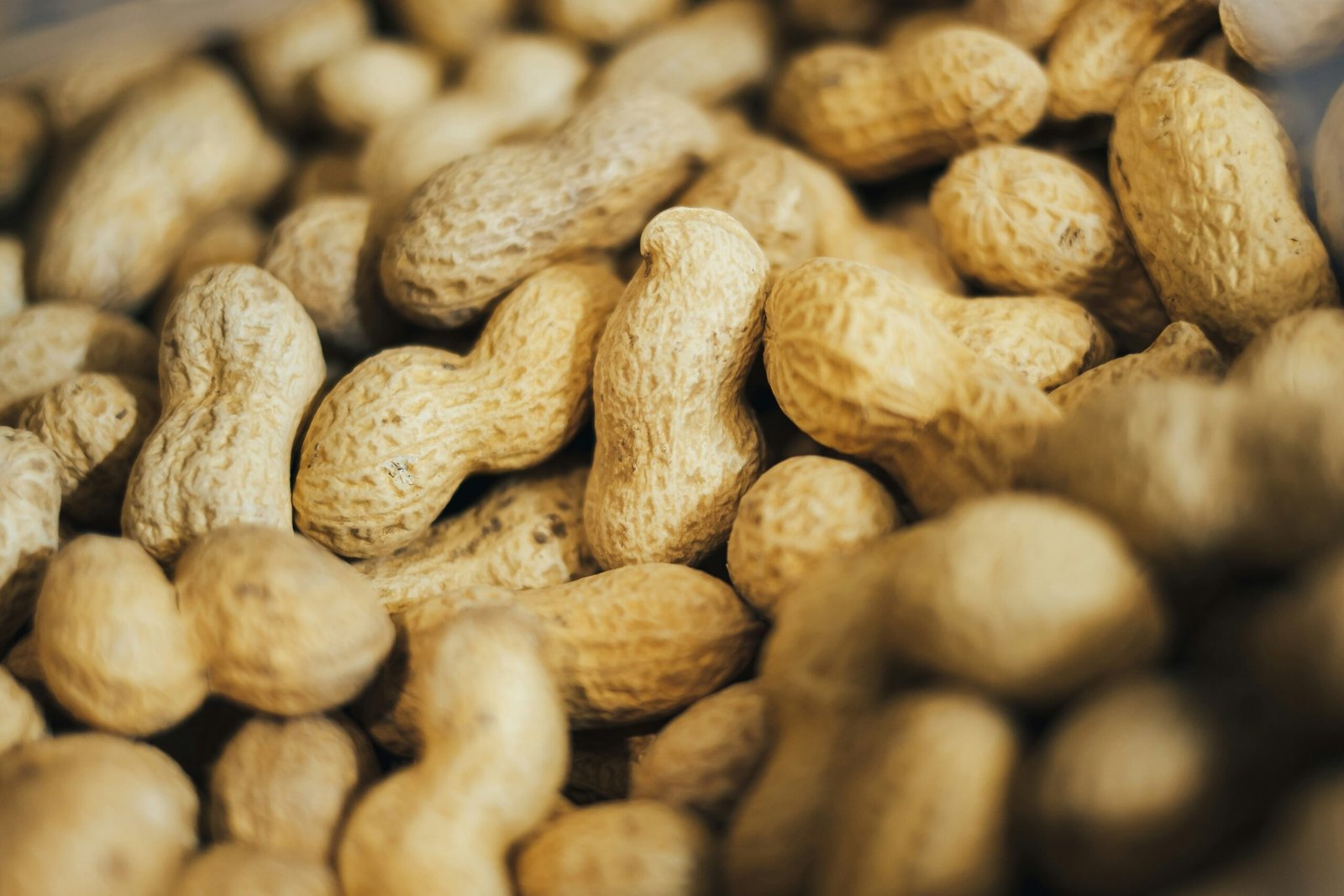
A revolutionary shift in pediatric medicine has delivered remarkable results: peanut allergies in children are plummeting, thanks to new guidelines that completely reversed decades of conventional wisdom. What was once considered dangerous—early peanut exposure in infants—has emerged as one of the most effective allergy prevention strategies in modern medicine.
From Fear to Prevention: The Medical Paradigm Shift
For generations, pediatricians advised parents to delay introducing peanuts until children were at least three years old, believing early exposure would trigger dangerous allergic reactions. This cautious approach dominated medical practice until 2015, when the landmark LEAP (Learning Early About Peanut Allergy) study shattered these assumptions.
The study’s findings were so compelling that the National Institute of Allergy and Infectious Diseases completely reversed its recommendations. Current guidelines now encourage introducing peanut-containing foods to infants between 4-6 months of age—as soon as they begin eating solids—particularly for high-risk children with severe eczema or egg allergies.
Dramatic Results: The Numbers Tell the Story
The impact has been nothing short of extraordinary. Recent data reveals peanut allergy rates have dropped by up to 43% among young children in just a few years following the guideline changes. Most significantly, researchers estimate that approximately 60,000 American children have avoided developing peanut allergies directly due to early introduction practices.
“We’re talking about the prevention of a potentially deadly, life-changing diagnosis,” said Dr. Edith Bracho-Sanchez, a pediatrician at Columbia University, highlighting the real-world benefits of this public health shift.
This success has created an unexpected consequence: eggs have now surpassed peanuts as the leading food allergen among young children—a testament to how effectively the early introduction strategy works.
Sustained Protection Through Adolescence
The benefits extend far beyond early childhood. The LEAP-Trio study demonstrated that children who consumed peanuts regularly from infancy maintained their protection against allergies well into adolescence, even during periods when peanut consumption decreased. This suggests that early exposure creates lasting immunological tolerance.
Researchers are now investigating whether similar early introduction strategies can prevent other common food allergies, potentially revolutionizing how we approach allergen prevention across multiple foods.
Global Health Implications
The success of early peanut introduction represents more than a single medical breakthrough—it offers a scalable, cost-effective public health intervention with global potential. In regions experiencing rising peanut allergy rates, this approach could prevent thousands of cases while reducing healthcare costs and improving quality of life for families.
The strategy’s simplicity is part of its power: no expensive treatments or complex medical procedures, just carefully timed dietary changes that parents can implement at home under medical guidance.
A New Era in Allergy Prevention
This transformation demonstrates how scientific evidence can overturn entrenched medical practices when research reveals better approaches. The willingness to abandon decades-old guidelines in favor of evidence-based recommendations has literally saved lives and prevented countless families from facing the daily challenges of managing severe food allergies.
As medical professionals continue refining early allergen introduction protocols, this approach may become the foundation for preventing multiple food allergies, ushering in an era where common childhood food allergies become increasingly rare rather than increasingly prevalent.
Conclusion
The dramatic decline in pediatric peanut allergies stands as one of modern medicine’s most successful prevention stories. By embracing counterintuitive research findings and implementing evidence-based policy changes, the medical community has transformed a growing health crisis into a manageable condition. As adoption of early introduction practices continues expanding globally, we may be witnessing the beginning of the end for peanut allergies as a major childhood health concern.
*Article by Hedge*