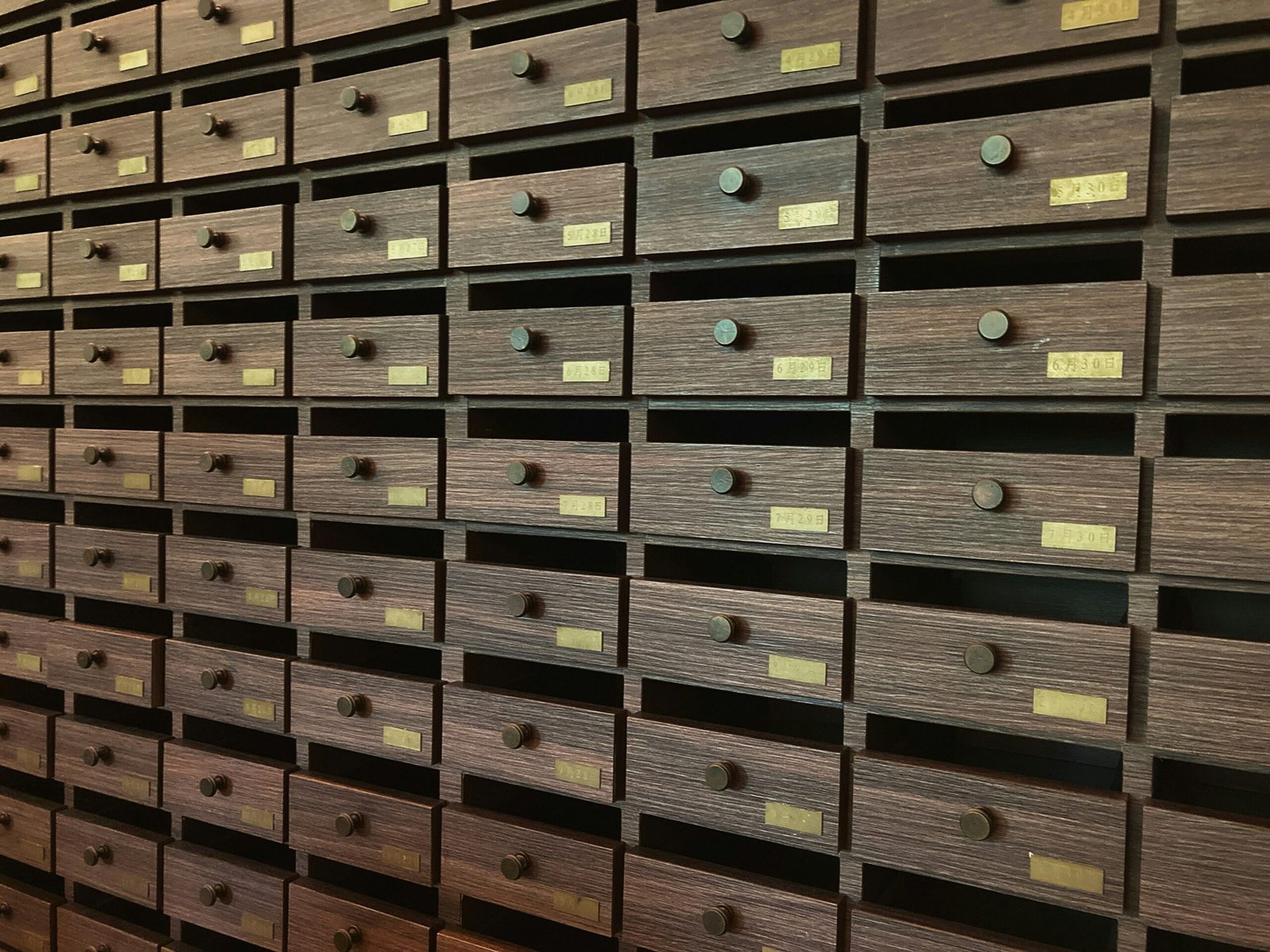
In a remarkable testament to digital preservation’s evolution, the Internet Archive has achieved a monumental milestone: archiving 1 trillion web pages. This achievement, nearly three decades in the making, represents the largest digital preservation effort in human history and underscores the critical importance of safeguarding our collective digital memory.
The Genesis of a Digital Guardian
Founded in 1996 by computer engineer Brewster Kahle, the Internet Archive embarked on an ambitious mission to catalog the vast and ever-expanding universe of the web. Through partnerships with over 1,200 libraries and institutions worldwide, the Archive’s flagship Wayback Machine has evolved into an indispensable resource for historians, researchers, journalists, and curious users. This powerful tool provides temporal snapshots of websites, enabling users to explore how the internet looked and functioned at specific points in time—a digital time machine that captures the web’s constant evolution.
The Scale of Digital Memory
The milestone of 1 trillion web pages transcends mere statistics—it represents humanity’s most comprehensive digital memory bank. This vast repository encompasses everything from breaking news coverage and cultural phenomena to personal blogs and now-defunct websites that would otherwise vanish into digital oblivion. The collection, spanning over 100,000 terabytes of data, serves as an irreplaceable record of how we’ve communicated, shared information, and built communities online over the past quarter-century.
Celebrating Digital Preservation
To mark this historic achievement, the Internet Archive organized a series of commemorative events that honor both past accomplishments and future ambitions. The celebration culminated in a public rally in San Francisco, where city officials proclaimed October 22 as “Internet Archive Day.” Attendees also gained exclusive access to behind-the-scenes tours of the Archive’s physical infrastructure, revealing the sophisticated systems and dedicated staff responsible for digitizing and preserving diverse media formats.
“This milestone is a testament to the collective effort of countless individuals and institutions dedicated to preserving our digital legacy,” said Brewster Kahle, founder of the Internet Archive. “As we celebrate, we also reaffirm our commitment to keeping the web free, open, and accessible for all.”
The Road Ahead
Reaching 1 trillion pages marks not an endpoint, but a foundation for future preservation efforts. The Internet Archive continues its relentless pace, capturing approximately 500 million new pages daily—a rate that reflects both the web’s explosive growth and the organization’s technological sophistication. As digital platforms evolve and new content formats emerge, the Archive adapts its methodologies, ensuring that tomorrow’s researchers will have comprehensive access to today’s digital landscape.
Key Takeaways
- The Internet Archive’s 1 trillion web pages represent the world’s largest digital preservation achievement, spanning nearly 30 years of internet history.
- The Wayback Machine serves as a critical research tool, providing temporal access to websites and documenting the web’s evolution.
- Daily capture rates of 500 million pages demonstrate the Archive’s commitment to preserving contemporary digital culture for future generations.
Conclusion
The Internet Archive’s trillion-page milestone stands as a defining moment in digital preservation history. This achievement illuminates not just the scale of human digital activity, but the foresight required to preserve ephemeral online content for posterity. As the internet continues its rapid transformation, the Archive’s mission becomes increasingly vital—ensuring that future generations can study, understand, and learn from our digital age’s rich and complex legacy.