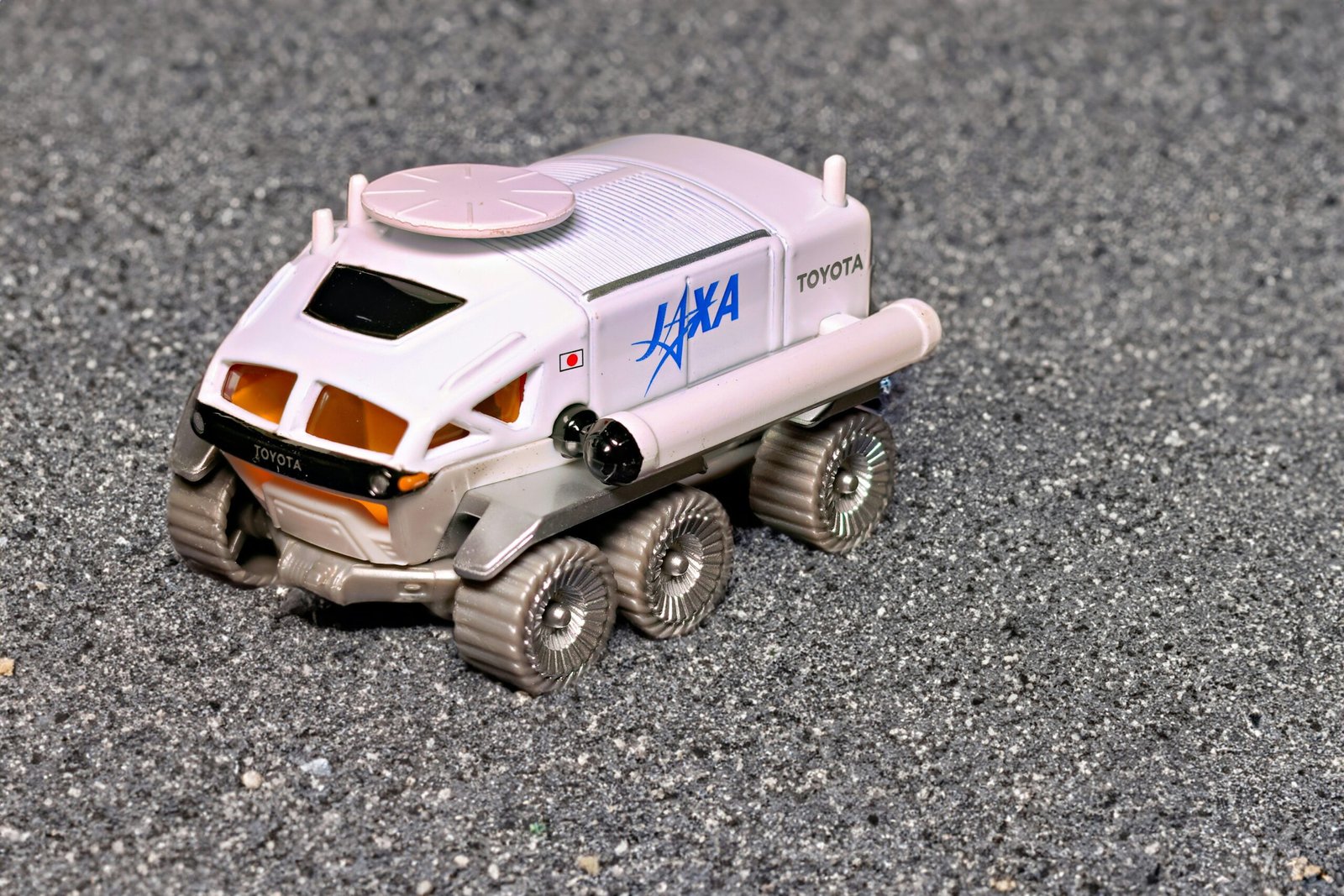
Japan has solidified its position as a major space power with the successful launch of its next-generation H3 rocket, carrying the HTV-X1 cargo spacecraft on its maiden voyage to the International Space Station. This milestone mission, executed by the Japan Aerospace Exploration Agency (JAXA), represents more than a technical achievement—it signals Japan’s strategic push to capture a larger share of the competitive global space logistics market.
H3 Rocket: Japan’s Commercial Space Ambitions Take Flight
The H3 rocket represents a fundamental shift in Japan’s space strategy, prioritizing cost-effectiveness and commercial viability over its predecessor, the H-2A. After overcoming an initial launch failure in March 2023, the H3 has now achieved six consecutive successful missions, establishing the reliability crucial for attracting international customers. This track record positions Japan to compete directly with established players like SpaceX and Europe’s Ariane program in the lucrative satellite launch market.
HTV-X: Revolutionizing Space Station Logistics
The HTV-X1 spacecraft marks a substantial technological leap from Japan’s previous cargo vehicle, the H-II Transfer Vehicle (Kounotori). Key improvements include enhanced payload capacity, independent power generation capabilities during flight, and the ability to transport temperature-sensitive scientific samples—a critical capability for advancing space-based research. The spacecraft’s extended six-month docking capability transforms it from a simple delivery vehicle into a semi-permanent ISS logistics hub, enabling both supply missions and debris removal operations.
“The HTV-X is not just a supply vehicle; it’s a versatile platform for continued orbital missions,” commented a JAXA spokesperson.
Strategic Implications for Japan’s Space Dominance
This successful launch reflects Japan’s broader geopolitical strategy to establish space superiority in an increasingly contested domain. As nations worldwide recognize space capabilities as essential to national security and economic competitiveness, Japan’s investment in reliable, cost-efficient transport systems positions the country as an indispensable partner for international space missions. The H3-HTV-X combination offers allies and commercial partners an alternative to dependence on other space powers, particularly important given current geopolitical tensions.
Key Takeaways
- Japan’s H3 rocket establishes the nation as a competitive force in commercial space launch services.
- The HTV-X1’s advanced capabilities enable complex scientific missions and extended ISS operations.
- These technological advances strengthen Japan’s strategic autonomy and international partnerships in space.
Conclusion
Japan’s H3-HTV-X mission success represents a pivotal moment in global space logistics, demonstrating that technological innovation and strategic vision can reshape established market dynamics. As space becomes increasingly central to national security, scientific advancement, and economic growth, Japan has positioned itself not merely as a participant but as a leader capable of setting new standards for reliability and capability. This achievement will likely accelerate international partnerships and cement Japan’s role in humanity’s expanding presence beyond Earth.