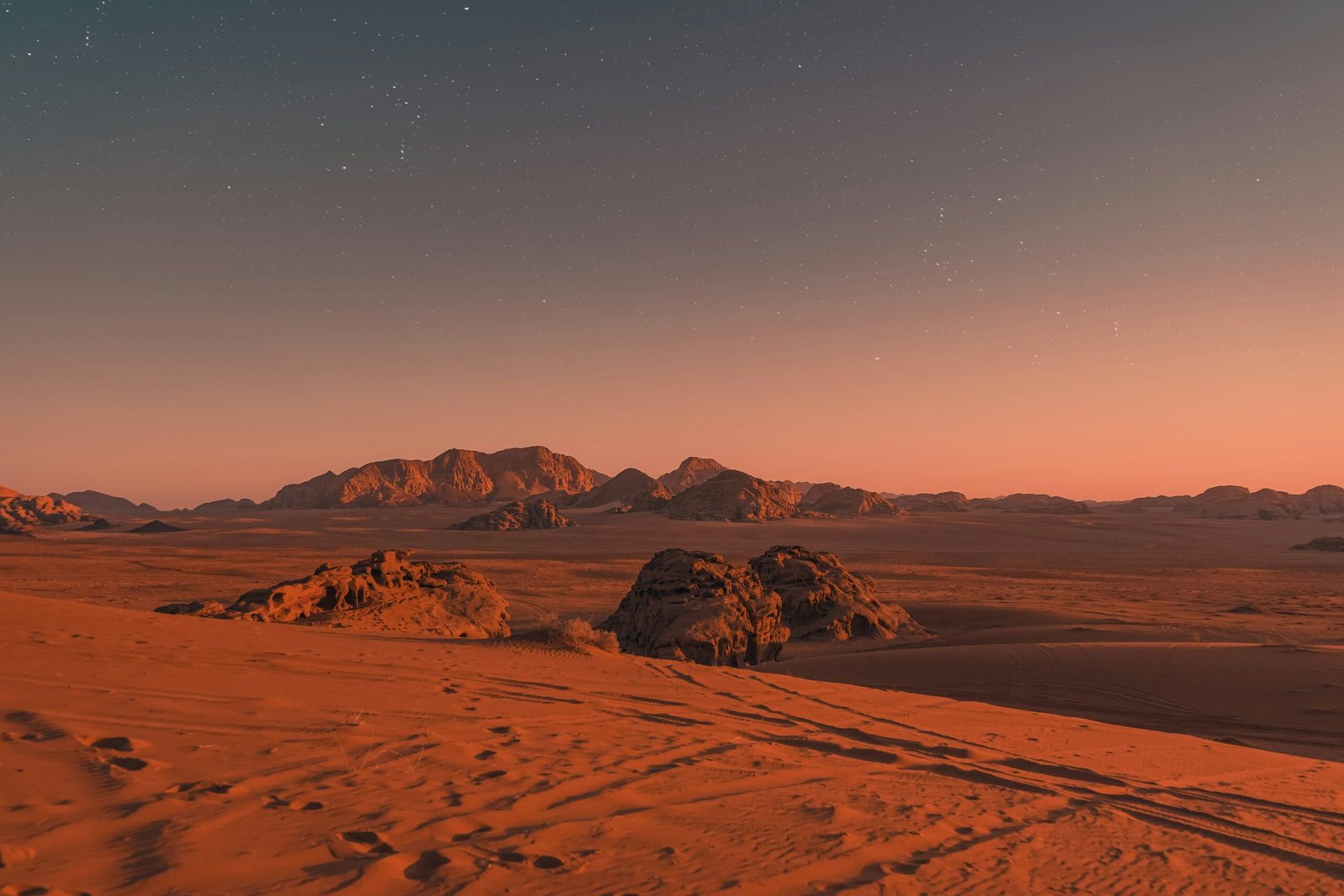
The concept of alien worlds has captivated human imagination for generations, spanning from science fiction narratives to rigorous scientific investigations of distant celestial bodies. Recent breakthroughs in technology and space science are transforming these once-fantastical concepts into tangible realities, creating unprecedented opportunities for both interactive exploration and scientific discovery.
Gaming Meets the Metaverse: Alien Worlds Goes Live
The gaming industry has taken a bold leap into extraterrestrial territory with the launch of “Mayhem: Alien Worlds,” a sophisticated turn-based tactics game that challenges players to master strategy within fully destructible environments. What sets this title apart is its foundation in the Alien Worlds Tokenized Lore Book, creating a seamless integration between traditional gaming mechanics and blockchain-powered NFT ecosystems. This innovative approach transforms players from passive consumers into active world-builders, allowing them to shape evolving narratives within a community-driven metaverse that blurs the lines between gaming and digital ownership.
The Science of Extraterrestrial Water Formation
While gamers explore fictional alien worlds, scientists are uncovering remarkable possibilities for water creation on real exoplanets. Groundbreaking research suggests that distant worlds may possess the ability to generate their own water through intricate geological and atmospheric processes. The prevailing theory involves bombardment by water-rich comets and asteroids during planetary formation, followed by complex chemical reactions between surface minerals and atmospheric compounds. Under specific temperature and pressure conditions, these processes could trigger the formation of stable water reservoirs—a discovery that fundamentally reshapes our understanding of habitability beyond Earth and expands the potential for discovering extraterrestrial life.
Advanced Mapping Technologies Reveal Alien Landscapes
Revolutionary advances in remote sensing technology are providing unprecedented detail about extraterrestrial terrain. Sophisticated radar and lidar systems now enable scientists to construct high-resolution topographical maps of planetary surfaces across our solar system and beyond. These cutting-edge tools reveal intricate geological features—towering mountain ranges, deep canyon systems, and vast plains—that offer crucial insights into planetary evolution and potential habitability. Such detailed mapping capabilities are essential for planning future robotic missions and eventual human exploration, while also helping scientists identify regions most likely to harbor signs of past or present life.
Bringing Alien Worlds to Mainstream Audiences
The British sci-fi docufiction series “Alien Worlds” has successfully bridged the gap between rigorous scientific research and popular entertainment. By applying established evolutionary principles and biological laws to hypothetical exoplanets, the series creates scientifically plausible alien ecosystems that captivate viewers while educating them about astrobiology. This unique blend of documentary-style presentation with speculative science demonstrates how complex scientific concepts can be made accessible to mainstream audiences, fostering greater public interest in space exploration and the search for extraterrestrial life.
Key Takeaways
- “Mayhem: Alien Worlds” represents a new frontier in gaming, combining tactical gameplay with blockchain technology and community-driven storytelling.
- Scientific evidence suggests exoplanets may independently generate water through complex geological processes, dramatically expanding the potential for habitable worlds.
- Next-generation mapping technologies are revolutionizing our ability to study and understand distant planetary surfaces with unprecedented detail.
- The “Alien Worlds” television series exemplifies how scientific accuracy can enhance popular entertainment while educating audiences about astrobiology.
Conclusion
The convergence of gaming innovation, scientific discovery, and popular media is ushering in a new era of alien world exploration. As our technological capabilities advance, the boundary between speculative fiction and scientific reality continues to blur, offering increasingly sophisticated tools for understanding and experiencing extraterrestrial environments. This multifaceted approach—combining interactive digital experiences, rigorous scientific research, and engaging educational content—not only deepens our comprehension of the cosmos but also inspires the next generation of explorers, scientists, and innovators who will ultimately venture beyond Earth to explore these alien worlds firsthand.