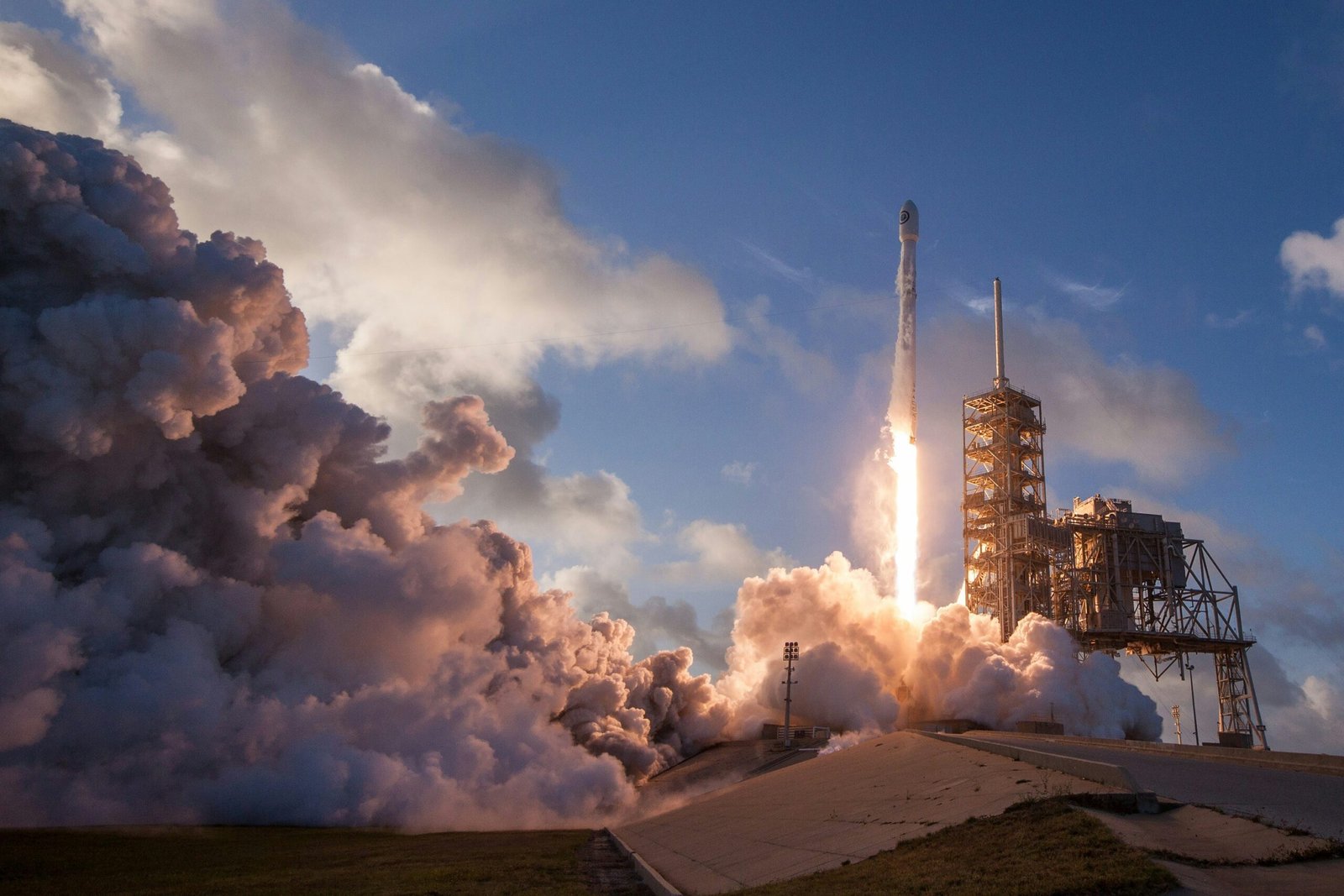
The modern space race is accelerating, but not along the trajectory many expected. As private companies and national space agencies compete for lunar supremacy, technical delays and strategic pivots are reshaping the landscape. Two high-profile developments—the cancellation of the dearMoon project and NASA’s growing impatience with SpaceX—illustrate how ambition collides with engineering reality in humanity’s return to the Moon.
The dearMoon Dream Deferred
Japanese billionaire Yusaku Maezawa’s dearMoon project, announced with fanfare in 2018, promised to send civilians around the Moon aboard SpaceX’s Starship vehicle. The mission would have marked a watershed moment for private space tourism, offering paying customers their first taste of deep space travel. However, after years of delays tied to Starship’s protracted development timeline and Maezawa’s own financial reassessment, the project has been indefinitely shelved.
The cancellation underscores the precarious economics of space tourism ventures. While the technical challenges of lunar missions are well-documented, the financial sustainability of such ambitious projects remains largely unproven. Maezawa’s decision reflects a broader industry reality: even billionaire-backed space tourism initiatives must grapple with escalating costs and uncertain returns.
NASA’s Strategic Reassessment
NASA faces its own timeline pressures with the Artemis III mission, currently targeting a 2027 lunar landing. Acting Administrator Sean Duffy has publicly voiced frustration with SpaceX’s progress on the Human Landing System (HLS), a critical component for returning astronauts to the lunar surface. The agency’s concerns extend beyond mere scheduling—they reflect deeper geopolitical anxieties about China’s rapidly advancing lunar program.
Duffy’s recent comments signal a potential strategic shift. Rather than remaining locked into an exclusive partnership with SpaceX, NASA appears ready to diversify its contractor base, potentially opening HLS contracts to competitors like Blue Origin or other aerospace firms.
“They push their timelines out, and we’re in a race against China,” Duffy emphasized, underlining the urgency of the situation.
— Sean Duffy, Acting NASA Administrator
Implications for the Space Industry
These developments reveal fundamental tensions within the modern space economy. The dearMoon cancellation exposes the fragility of private space tourism, where market enthusiasm often outpaces technical readiness and financial viability. Meanwhile, NASA’s contractor diversification strategy could reshape the competitive landscape for lunar missions, potentially breaking SpaceX’s near-monopoly on certain aspects of space transportation.
The geopolitical dimension adds another layer of complexity. As China advances its own lunar ambitions through the Chang’e program and planned crewed missions, American space policy increasingly views lunar presence as a matter of national competitiveness rather than purely scientific exploration.
Key Takeaways
- The dearMoon project’s cancellation highlights the economic challenges facing private space tourism ventures.
- NASA is reconsidering its exclusive reliance on SpaceX for lunar missions, potentially opening contracts to multiple providers.
- Geopolitical competition with China is driving accelerated timelines and strategic decision-making in American space policy.
Conclusion
The current moment represents a critical inflection point for lunar exploration. Private ventures like dearMoon demonstrate both the promise and peril of commercial space tourism, while NASA’s strategic recalibration reflects the complex interplay between technical capability, financial constraints, and geopolitical competition. As the space industry matures, success will increasingly depend on balancing ambitious vision with pragmatic execution—a lesson both private entrepreneurs and government agencies are learning in real time.