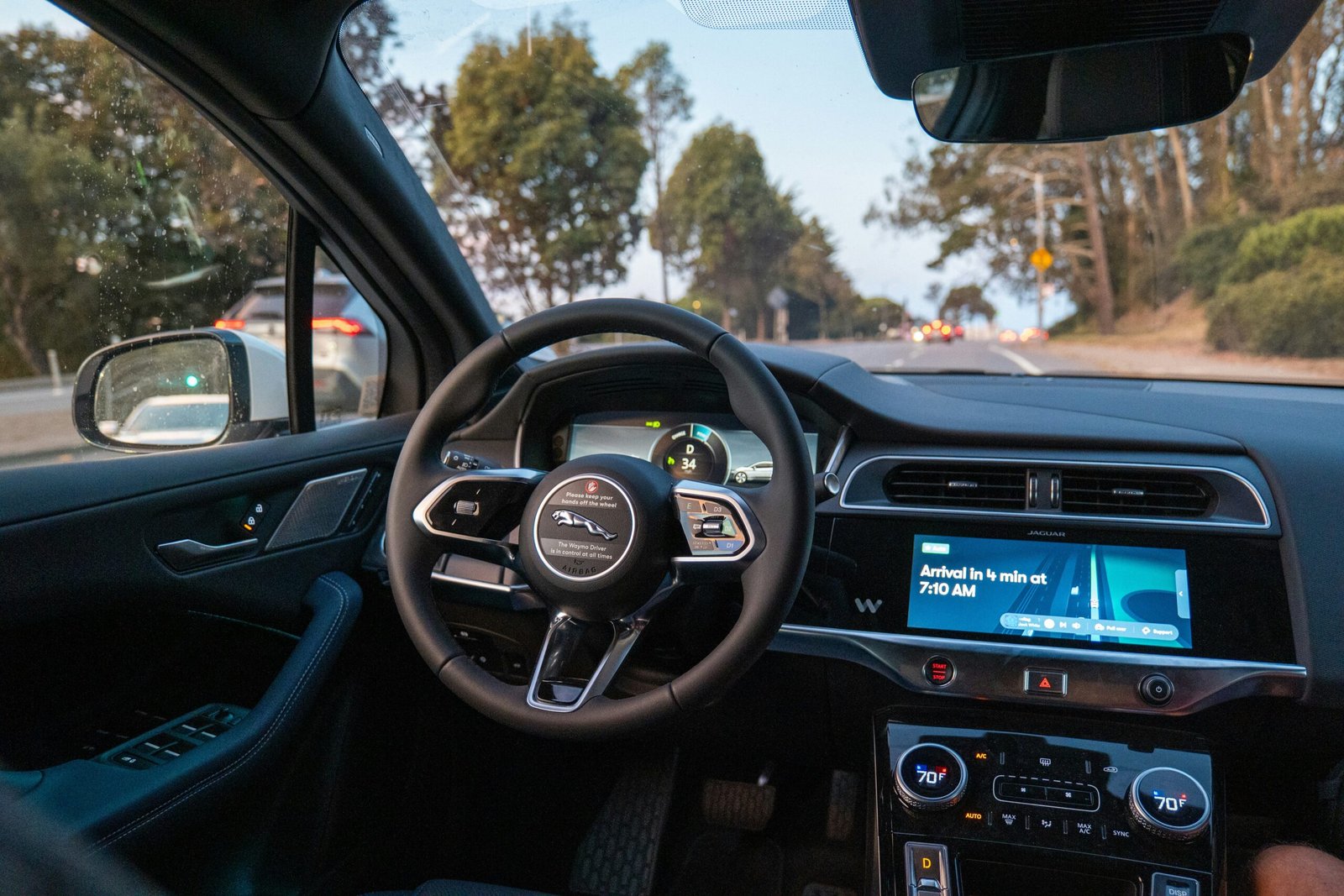
Waymo’s autonomous vehicles have become the center of intense scrutiny following two fatal animal strikes in San Francisco within recent weeks. The incidents—involving a beloved neighborhood cat named KitKat and a small dog—have reignited critical questions about the readiness of self-driving technology for widespread deployment on city streets.
Two Fatal Strikes Expose Detection Limitations
The latest incident unfolded in San Francisco’s Western Addition neighborhood, where a Waymo robotaxi struck an unleashed dog that later required euthanization due to severe injuries. This followed the earlier death of KitKat, a well-known Mission District cat, creating a troubling pattern that has shaken local confidence in autonomous vehicle safety systems.
These back-to-back incidents highlight a critical vulnerability in current autonomous driving technology: the challenge of detecting and responding to small, unpredictable moving objects. While Waymo’s vehicles are equipped with advanced sensor arrays including LiDAR, cameras, and radar, these cases suggest potential blind spots in the system’s ability to identify and react to animals in real-time urban environments.
Community Backlash Intensifies Regulatory Pressure
The emotional toll on San Francisco residents has been significant, with many questioning whether their neighborhoods have become unwilling testing grounds for unproven technology. The loss of KitKat, in particular, resonated deeply within the Mission District community, where the cat was a cherished local fixture.
Waymo has responded by committing to comprehensive data reviews and offering support services to affected parties. However, the company’s measured response contrasts sharply with the raw community sentiment, potentially widening the trust gap between tech companies and the neighborhoods where they operate.
“We are dedicated to learning from this situation and how we show up for our community as we continue improving road safety in the cities we serve,” a Waymo spokesperson stated.
Technical Challenges Reveal Industry-Wide Vulnerabilities
These incidents expose fundamental challenges that extend beyond Waymo to the entire autonomous vehicle industry. Small animals present unique detection difficulties due to their size, unpredictable movement patterns, and varying behavioral responses to approaching vehicles. Unlike pedestrians or cyclists, animals don’t follow traffic rules or predictable path patterns, creating edge cases that current AI systems struggle to handle consistently.
The failures also raise questions about sensor fusion effectiveness—the process by which autonomous vehicles combine data from multiple sensors to create a comprehensive understanding of their environment. If Waymo’s sophisticated sensor suite cannot reliably detect small animals, it suggests potential limitations in how these systems process and prioritize different types of environmental data.
Key Takeaways
- Two animal fatalities within weeks highlight critical gaps in Waymo’s detection capabilities for small, unpredictable objects.
- Community trust in autonomous vehicle technology faces significant erosion following these high-profile incidents.
- The incidents reveal industry-wide challenges in developing AI systems capable of handling complex urban edge cases.
The Path Forward Requires Transparency and Technical Innovation
These tragic incidents serve as a stark reminder that autonomous vehicle technology, despite years of development and billions in investment, still faces significant real-world challenges. For Waymo and the broader industry, rebuilding public trust will require more than corporate statements—it demands demonstrable improvements in detection systems, greater transparency about technological limitations, and meaningful community engagement.
The road to fully autonomous vehicles remains longer and more complex than many anticipated. These San Francisco incidents underscore that successful deployment requires not just technical excellence, but also the social license to operate in communities where the stakes—whether human or animal lives—remain very real.