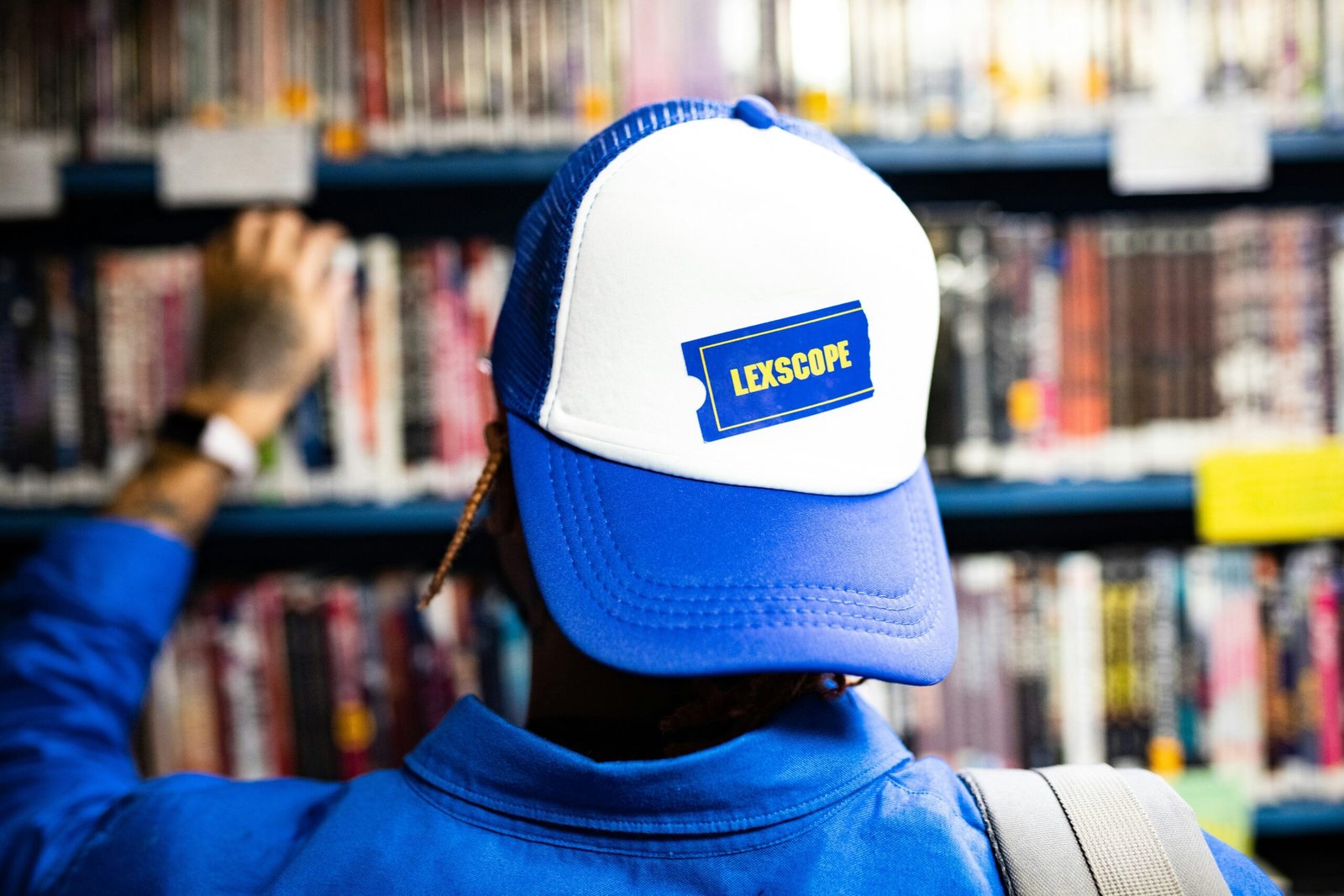
In an era dominated by Netflix, Disney+, and countless streaming platforms, an unlikely phenomenon is quietly unfolding: video rental stores are making a comeback. While most Blockbusters shuttered over a decade ago, a handful of survivors are not just clinging to life—they’re thriving. This resurgence reflects more than mere nostalgia; it signals a growing appetite for curated discovery and tactile media experiences that algorithms simply cannot replicate.
The Last Bastions of Video Rental
The world’s last Blockbuster in Bend, Oregon, has evolved from a forgotten relic into a pilgrimage destination. Tourists travel thousands of miles to experience what was once mundane: wandering aisles of physical media, reading DVD cases, and making serendipitous discoveries. The store now generates revenue through merchandise and tourism as much as rentals, proving that cultural artifacts can find new economic models.
Similarly, Video Wave in San Francisco’s Noe Valley neighborhood represents the independent spirit driving this revival. Owner Colin Hutton has weathered the streaming revolution by cultivating a community of film enthusiasts who value his carefully curated collection and personal recommendations—something no algorithm can match.
Libraries: The New Custodians of Physical Media
Perhaps the most unexpected players in this revival are public libraries, which have quietly become America’s largest video rental network. As streaming services fragment content across multiple platforms—each requiring separate subscriptions—libraries offer free access to extensive DVD and Blu-ray collections. Many have expanded beyond films to include video games and rare titles unavailable on streaming platforms.
This shift addresses a practical reality: comprehensive streaming access now costs upward of $100 monthly across multiple services, while library cards remain free. Libraries have capitalized on this economic pressure, positioning themselves as democratic alternatives to corporate streaming monopolies.
A Cultural and Economic Revival
The physical media renaissance extends beyond economics to cultural psychology. Rental stores offer what streaming cannot: the ritual of browsing, the satisfaction of holding a tangible object, and the social interaction of discussing films with knowledgeable staff. These experiences tap into what researchers call “retail therapy”—the psychological benefits of physical shopping environments.
Some surviving stores have innovated by adopting subscription models, ironically using the streaming industry’s own strategy against it. Customers pay monthly fees for unlimited rentals, combining the convenience of subscriptions with the discovery potential of physical browsing.
“There’s been a real resurgence in tangible media. People are craving physical interaction in an increasingly virtual world.”
Lucas Hildebrand, Chair of Film and Media Studies, UC Irvine
The Future of Video Rental
This revival faces significant headwinds. Physical media production continues declining, and younger consumers increasingly prefer digital-first experiences. However, the persistence of vinyl records in the music industry suggests niche markets can sustain specialized retail formats.
The key to survival lies in transformation: successful video stores are becoming cultural hubs, community gathering spaces, and curators of rare content rather than mere transaction points. They’re betting that in an age of infinite digital choice, human curation and physical discovery retain unique value.
Conclusion
The unexpected revival of video rental stores illuminates a broader tension in digital culture: the trade-off between convenience and experience. While streaming services excel at delivering content efficiently, they struggle to replicate the serendipity, community, and tactile satisfaction of physical media browsing. As these stores adapt through tourism, community building, and hybrid business models, they demonstrate that even seemingly obsolete industries can find new relevance by focusing on irreplaceable human experiences. In our rush toward digital futures, sometimes the most innovative path leads backward—to rediscover what we lost along the way.