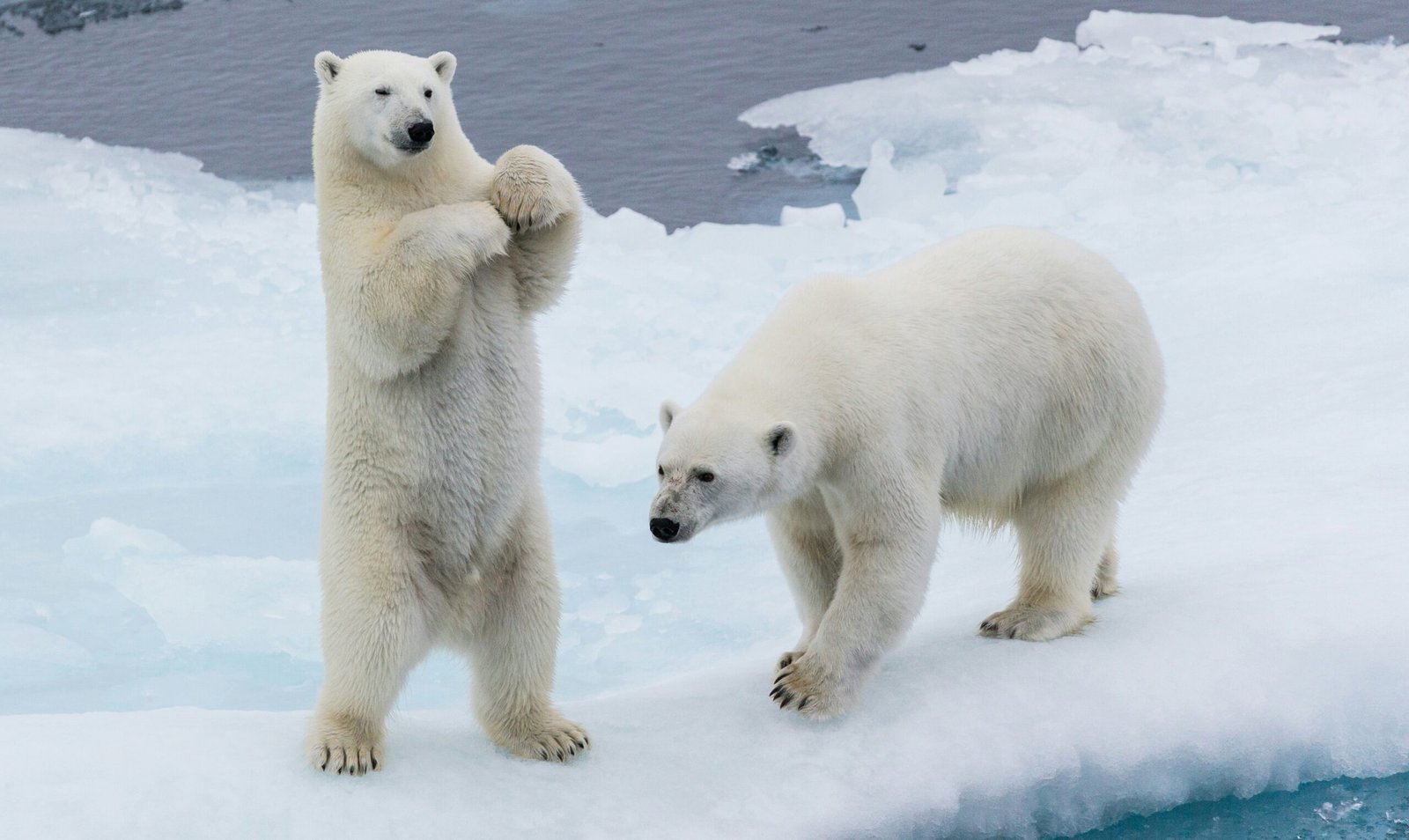
As Arctic temperatures rise at twice the global average, polar bears face an existential crisis that extends far beyond shrinking ice floes. Groundbreaking research reveals these apex predators aren’t simply succumbing to climate change—they’re actively rewriting their genetic code to survive in a rapidly transforming world. This evolutionary response offers crucial insights into species adaptation under extreme environmental pressure.
Rapid Genetic Evolution Under Climate Stress
Polar bears depend on sea ice as hunting platforms for seals, their primary food source. As this critical habitat disappears, populations face starvation and reproductive challenges. However, new research from the University of East Anglia demonstrates that polar bears in southern Greenland are undergoing measurable genetic changes affecting heat tolerance, cellular aging, and metabolic efficiency. These molecular-level adaptations represent evolution in real-time, occurring within decades rather than millennia.
Transposons: The Genetic Game-Changers
At the heart of this adaptation story are transposons—mobile DNA sequences scientists call “jumping genes.” These genetic elements can relocate within chromosomes and modify gene expression patterns, essentially reprogramming cellular functions. In southeastern Greenland’s warmer regions, researchers found significantly higher transposon activity compared to Arctic populations experiencing less temperature stress. This increased genetic mobility appears to accelerate evolutionary responses to environmental challenges, allowing bears to develop heat tolerance and metabolic flexibility within a single generation.
Conservation Implications and Limitations
While these genetic discoveries provide valuable insights, they don’t guarantee polar bear survival. The International Union for Conservation of Nature projects substantial population declines by 2050, with some subpopulations facing local extinction. However, understanding genetic adaptation mechanisms could revolutionize conservation approaches. Researchers can now identify populations with greater adaptive potential and prioritize protection efforts for genetically resilient groups. This knowledge also informs captive breeding programs and habitat management strategies.
Key Takeaways
- Polar bears in southern Greenland exhibit genetic modifications affecting heat stress response and metabolism within decades of climate change.
- Transposons enable rapid genetic adaptation by modifying gene expression patterns, demonstrating evolution’s speed under extreme pressure.
- These findings enhance conservation strategies but cannot substitute for urgent climate action to preserve Arctic ecosystems.
Conclusion
Polar bear genetic adaptation represents both nature’s remarkable resilience and the accelerating pace of climate-driven evolution. While these discoveries offer hope for species survival, they underscore the unprecedented rate of environmental change forcing such rapid biological responses. As researchers continue mapping these genetic transformations, their work provides essential tools for conservation efforts while highlighting the critical importance of global climate action in preserving Arctic biodiversity for future generations.