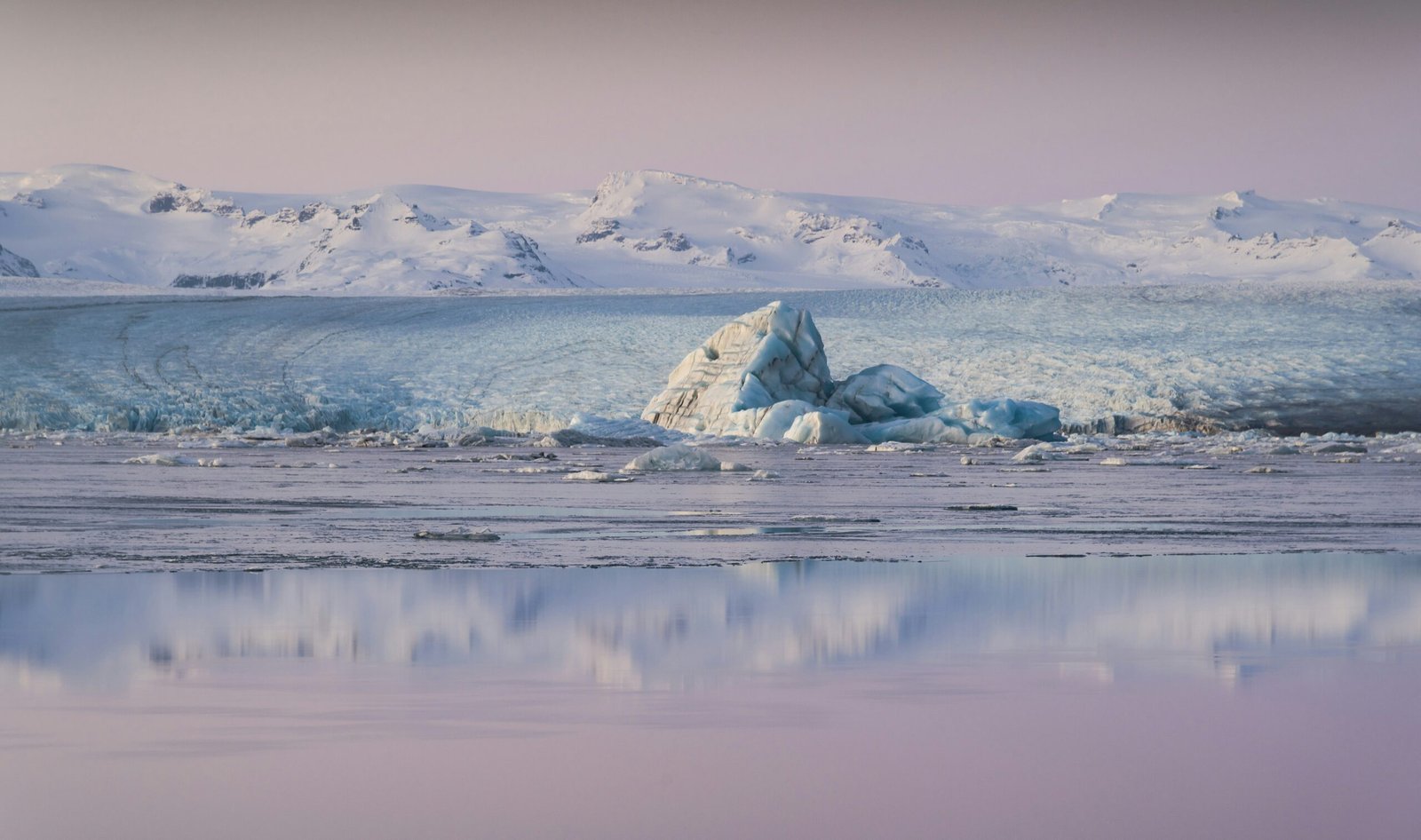
The world is approaching a critical tipping point in glacier loss, with scientists warning that we’re heading toward “peak glacier extinction” by mid-century. The European Alps serve as ground zero for this accelerating crisis, where glaciers are expected to reach their highest rate of disappearance within the next eight years. This phenomenon extends far beyond Europe, representing a global environmental emergency that could see thousands of glaciers vanish annually.
The Scale of Global Glacier Loss
Climate projections paint a stark picture: by 2050, approximately 4,000 glaciers could disappear each year if current warming trends continue unchecked. This unprecedented rate of loss reflects the accelerating impact of human-induced climate change. Even with existing emission reduction commitments, global temperatures are projected to rise 2.7 degrees Celsius above pre-industrial levels—a scenario that would sustain annual glacier losses of 3,000 between 2040 and 2060. Smaller glaciers in the European Alps and North Asia face the most immediate threat of complete extinction.
Cultural Heritage and Economic Consequences
Glacier loss transcends environmental statistics, striking at the heart of cultural identity and economic stability. Indigenous communities and mountain populations have historically viewed glaciers as sacred entities, with some holding symbolic “glacier funerals” to mourn their disappearance. These ice masses function as vital freshwater reservoirs, supporting agriculture, municipal water supplies, and hydroelectric generation. Their loss threatens not only local ecosystems but also tourism-dependent economies that rely on glacial landscapes as primary attractions.
Alpine Hydropower: A Renewable Energy Paradox
The Alps present a compelling case study in climate adaptation challenges. Countries like Switzerland and France depend heavily on glacial melt to power hundreds of hydroelectric dams, making the region a cornerstone of European renewable energy infrastructure. As glaciers shrink, this creates a paradox: the very climate change driving renewable energy adoption is simultaneously undermining one of its most reliable sources. This dynamic forces policymakers to reconsider long-term energy strategies in a rapidly changing environment.
The Path Forward: Mitigation and Adaptation
Climate scientists emphasize that limiting global warming to 1.5 degrees Celsius remains crucial for slowing glacier extinction rates. This target requires unprecedented international cooperation to achieve net-zero emissions by 2050. However, even aggressive mitigation efforts cannot prevent significant glacier loss already locked into the climate system. Communities must simultaneously pursue adaptation strategies, including water storage infrastructure, alternative energy sources, and economic diversification away from glacier-dependent industries.
A Defining Moment for Climate Action
The approaching peak of glacier extinction represents more than an environmental milestone—it’s a stark indicator of humanity’s impact on Earth’s climate system. These ancient ice formations, some thousands of years old, are disappearing within human lifespans, fundamentally altering landscapes that have remained stable throughout recorded history. The decisions made in the next decade will determine whether we can slow this crisis or witness the wholesale transformation of mountain ecosystems worldwide.