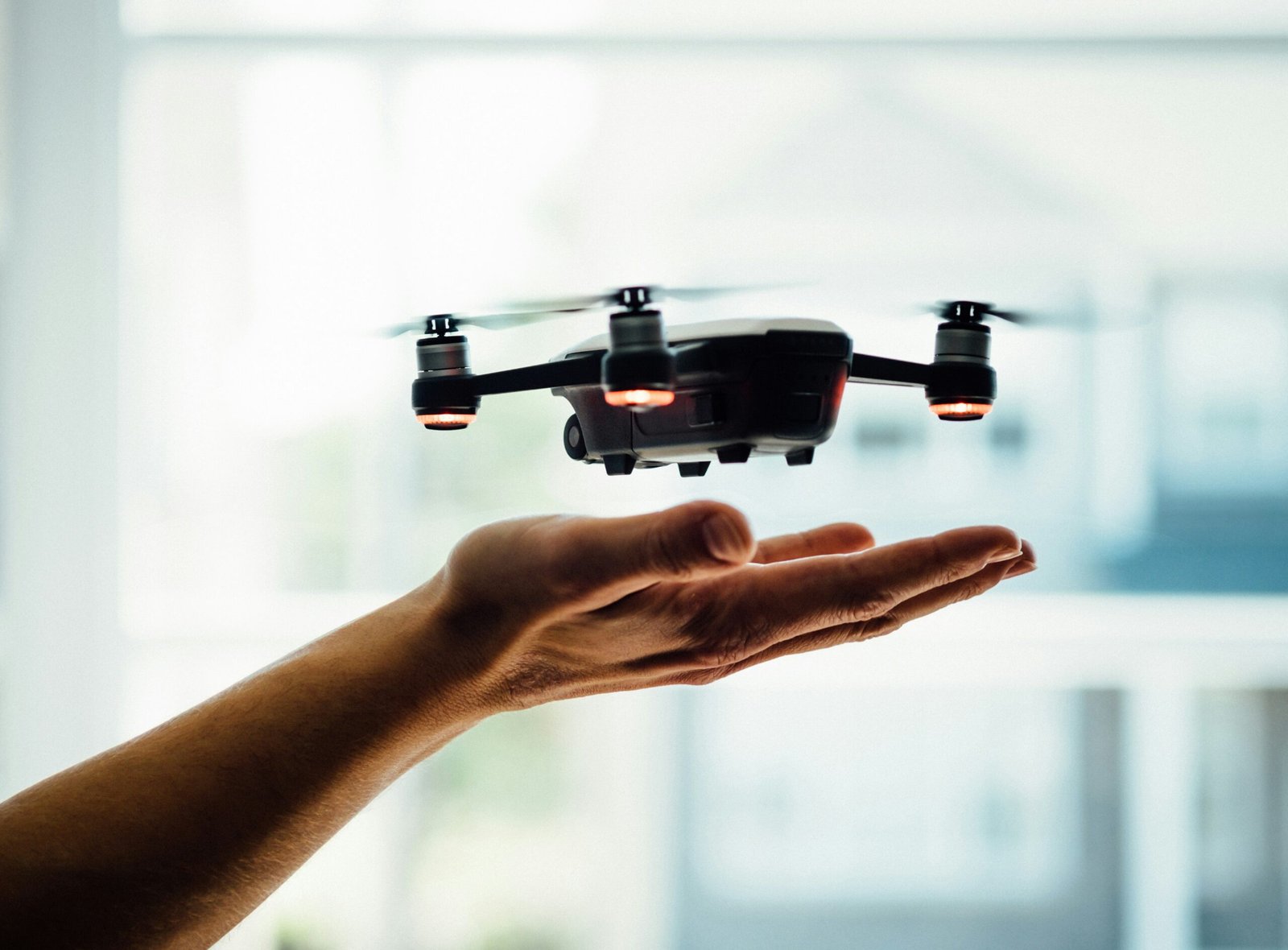
The Federal Communications Commission (FCC) has taken a decisive step in reshaping the landscape of drone usage in the United States by prohibiting the import and sale of new foreign-made drone models. This move is primarily aimed at mitigating national security risks posed by unmanned aircraft systems from countries like China, which have long dominated the U.S. drone market.
Understanding the Ban
The FCC’s decision to expand its “Covered List” to include drones and components from foreign manufacturers stems from concerns over potential threats to national security. The list targets entities deemed to pose an unacceptable risk, thus effectively barring them from future U.S. market entry. Notably, the ban does not affect drones already in use or previously approved for sale, allowing current consumers to continue their operations unhindered.
Impact on Industry Leaders
Among the most affected by this ruling is DJI, a leading Chinese drone manufacturer that commands about 70% of the global market. The company’s extensive reach in sectors ranging from agriculture to emergency services underscores the significant impact of this regulatory shift. DJI has expressed disappointment, pointing out the lack of transparency in the FCC’s decision-making process, suggesting that the move could be more protectionist than security-driven.
“Concerns about DJI’s data security have not been grounded in evidence and instead reflect protectionism, contrary to the principles of an open market,” a DJI spokesperson stated.
Domestic Opportunities and Challenges
The ban presents a dual-edged sword for the American drone industry. On one hand, it opens opportunities for domestic manufacturers to fill the market gap left by foreign entities. This aligns with recent executive actions aimed at accelerating the growth of U.S.-based drone technologies. On the other hand, the immediate absence of established foreign products could disrupt industries reliant on these technologies, posing challenges in the short term.
Broader Implications and Future Outlook
The FCC’s decision highlights a broader trend of increased scrutiny and regulation over foreign technology in critical infrastructure sectors. As the U.S. positions itself as a leader in drone innovation, the emphasis will likely shift towards fostering a robust domestic manufacturing base. However, achieving this will require balancing security concerns with the need for competitive, diverse market offerings.
Key Takeaways
- The FCC ban targets new foreign-made drones and components, citing national security risks.
- DJI, a major player in the drone market, faces significant setbacks due to the new regulation.
- The ruling could stimulate domestic drone innovation but may also disrupt current market dynamics.
Conclusion
As the dust settles on this landmark decision, the future of drone technology in the U.S. remains uncertain but promising. The FCC’s move may serve as a catalyst for American innovation, driving the development of homegrown solutions that safeguard national interests while fostering a competitive market environment. The trajectory of this transformation will depend on how effectively U.S. manufacturers can rise to the occasion and meet domestic demand.