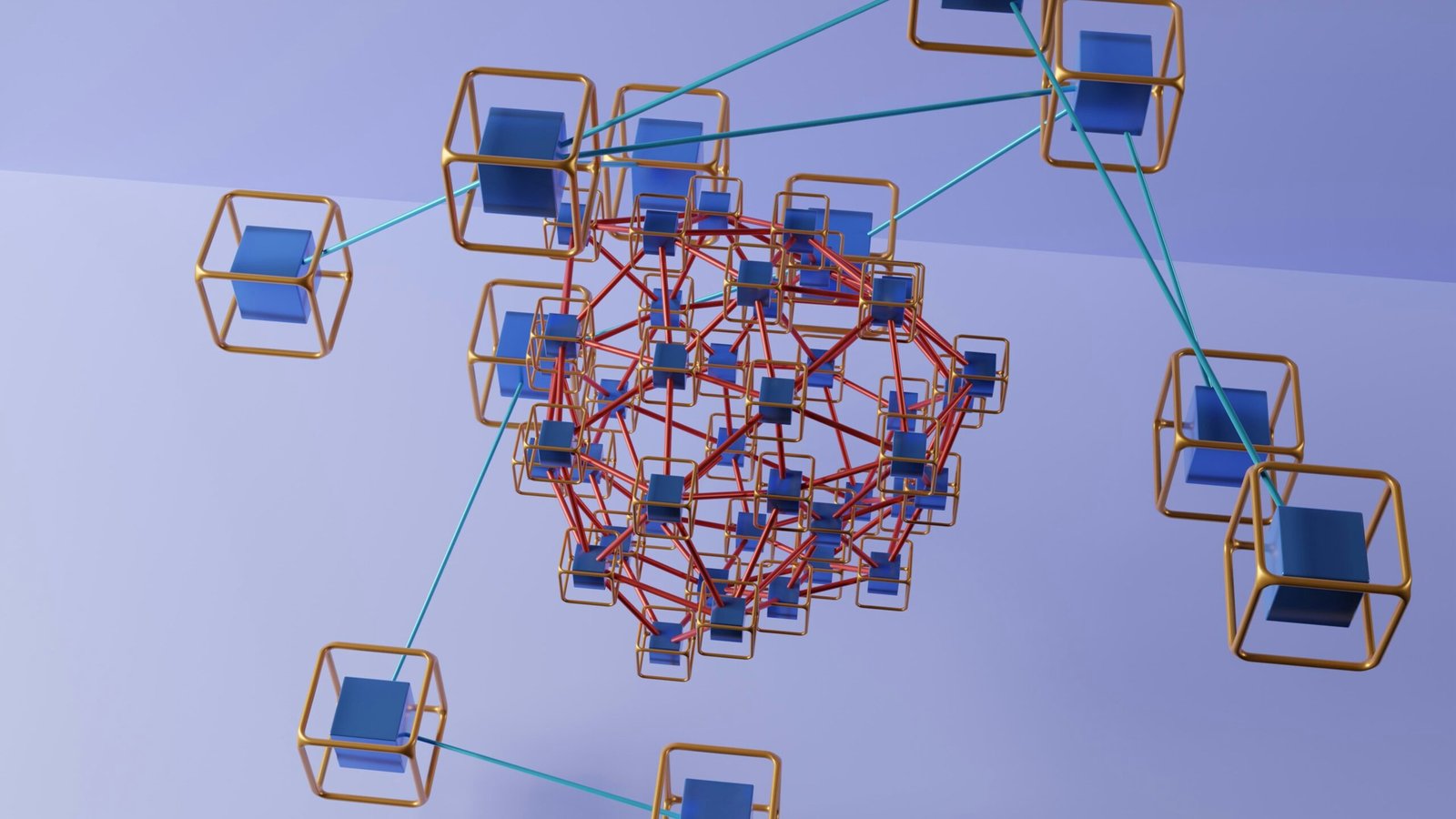
As we edge closer to 2026, a pivotal transformation is brewing within the realm of mesh networks, with significant implications for smart-home technology. Historically, mesh networks promised a seamless, interconnected future, yet they remained shackled by brand-specific silos. However, the advent of interoperable technologies like Thread 1.4, Wi-Fi 7, and Matter is poised to liberate these networks from their isolated past.
The Rise of Interoperability
In the early days, mesh networks were largely proprietary, confined to ecosystems like those of Apple, Google, and Amazon. Each brand developed its own version of mesh technology, which limited the integration of devices across different platforms. However, the introduction of Thread 1.4 marks a significant shift. For the first time, devices from different manufacturers can seamlessly join a single mesh network, thanks to this new standard. This breakthrough is complemented by Wi-Fi 7, which offers high-bandwidth capabilities, and Matter, a protocol that ensures communication across disparate mesh technologies.
Advantages of Mesh Networks
Mesh networks offer several advantages over traditional Wi-Fi systems. Unlike conventional networks that rely on a central router, mesh networks distribute data through interconnected nodes, enhancing network resilience and coverage. This self-healing capability allows the network to adapt dynamically to node failures, ensuring uninterrupted service. Moreover, mesh networks can reduce installation overheads and maintenance costs, making them an attractive option for both residential and commercial applications.
Challenges and Considerations
Despite their advantages, mesh networks present certain challenges, primarily related to cost and complexity. The setup of a mesh network can be more expensive than a traditional Wi-Fi system, due to the need for multiple nodes and the power they consume. Additionally, while interoperability is improving, achieving flawless compatibility between all devices remains a work in progress.
The Role of Mesh WiFi
Mesh WiFi systems, like those from NETGEAR, exemplify the practical application of mesh networking principles. By combining a main router with satellite nodes, these systems provide extensive coverage and eliminate WiFi dead spots. They are ideal for large spaces where a single router would be insufficient. The seamless handoff between nodes ensures that users experience consistent connectivity, akin to being connected to a single, powerful router.
Key Takeaways
- Thread 1.4, Wi-Fi 7, and Matter are key technologies driving the interoperability of mesh networks.
- Mesh networks offer enhanced resilience and coverage compared to traditional Wi-Fi systems.
- Cost and complexity remain challenges, but advancements in technology are addressing these issues.
Conclusion
The evolution of mesh networks into interoperable systems represents a significant leap forward in smart-home technology. As these networks become more cohesive and capable, they will play a crucial role in the seamless integration of devices, ultimately enhancing user experience and connectivity. The future of mesh networking promises a landscape where brand barriers dissolve, paving the way for a truly interconnected world.