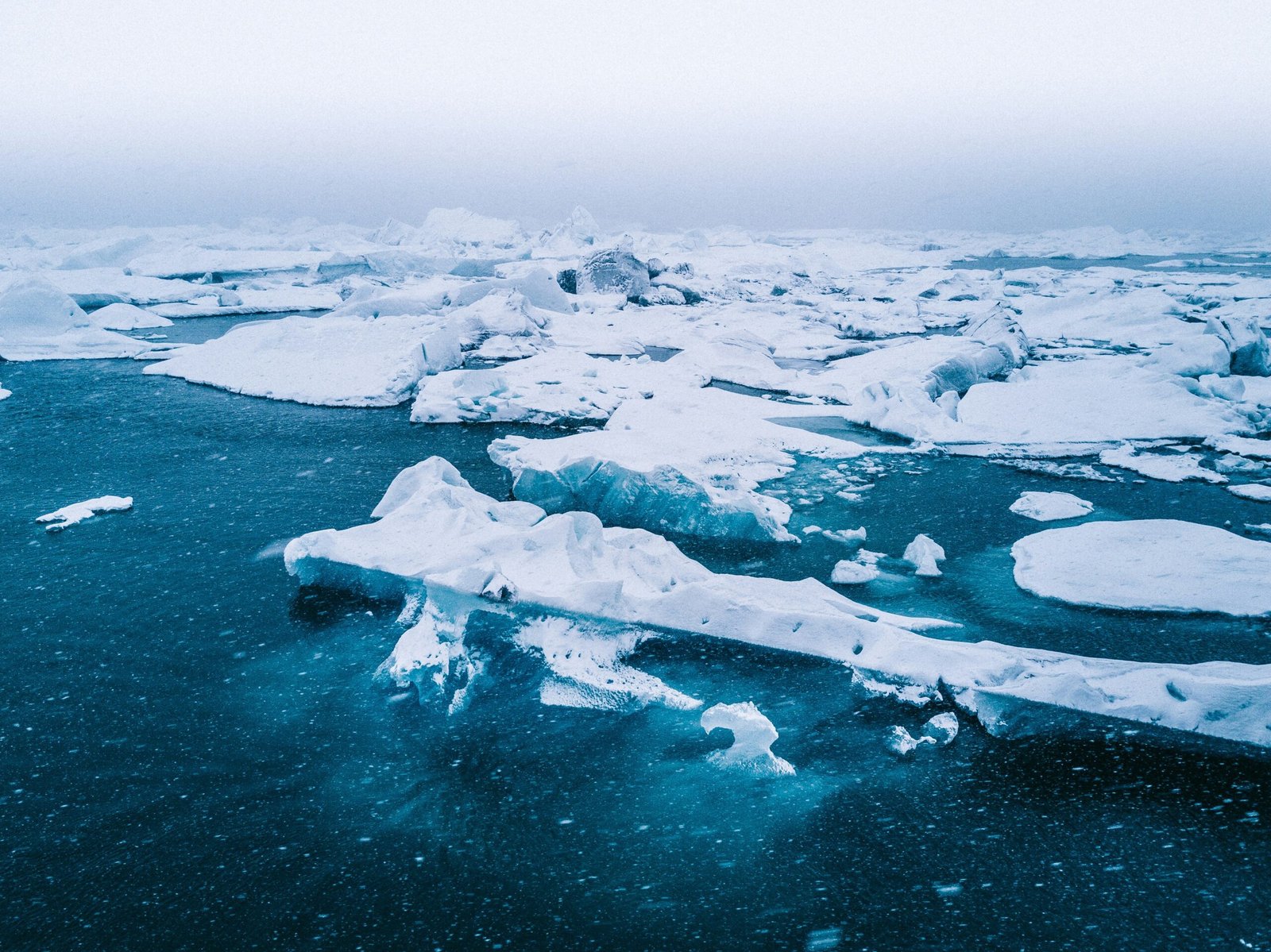
The Arctic, a region once synonymous with tranquility and isolation, has emerged as a geopolitical hotspot. As nations vie for influence over its vast resources and strategic positions, the United States finds itself compelled to recalibrate its Arctic strategy. This shift reflects an urgent necessity to strengthen its military presence and operational readiness in one of the world’s most challenging environments.
The Geostrategic Importance of the Arctic
At the heart of this strategic pivot lies Alaska, a pivotal component of U.S. national security. Its proximity to key global capitals and pivotal shipping routes underscores its significance as a military and economic hub. As the Arctic ice recedes, new maritime passages and untapped reserves of oil and gas beckon, elevating the region’s importance in global geopolitics.
Russia’s aggressive militarization and China’s Polar Silk Road ambitions further complicate the landscape, necessitating a robust U.S. response. The Pentagon’s focus on enhancing infrastructure and military capabilities in Alaska is a testament to the state’s critical role in national defense.
Enhancing Military Readiness
As the U.S. military braces for potential Arctic conflicts, it is revitalizing its cold-weather warfare competencies. The recent publication of an Arctic Warfare manual, the first in over five decades, marks a renewed commitment to mastering the region’s harsh conditions. This comprehensive document covers everything from tactical maneuvers to logistical challenges unique to the Arctic environment.
Training exercises with NATO allies, particularly in Finland, are integral to this preparation. These exercises allow U.S. forces to refine their skills alongside seasoned experts in Arctic combat, ensuring they are equipped to face any adversary in the frozen frontier.
Strategic Shifts and International Dynamics
The Pentagon’s updated Arctic strategy underscores a broader shift from cooperative engagement to strategic competition. This realignment is driven by the escalating geopolitical rivalry with Russia and China, both of whom have increased their activities in the region. The U.S. strategy now prioritizes military readiness and alliance strengthening over previous climate-centric policies.
This evolution reflects a pragmatic approach to addressing immediate threats while maintaining a long-term vision for sustainable development and environmental stewardship in the Arctic.
Key Takeaways
- Alaska’s strategic location makes it indispensable for U.S. national security and Arctic operations.
- The U.S. military is intensifying its focus on Arctic readiness, integrating advanced training and cross-alliance exercises.
- Shifts in U.S. strategy reflect heightened tensions with Russia and China, emphasizing military preparedness over climate priorities.
Conclusion
As the Arctic continues to thaw, revealing its strategic and economic potentials, the U.S. must remain vigilant and adaptable. By fortifying its military capabilities and fostering international partnerships, the United States aims to safeguard its interests and maintain stability in this increasingly contested region. The journey ahead will require a delicate balance between power projection and cooperative diplomacy, ensuring that the Arctic remains a realm of opportunity rather than conflict.