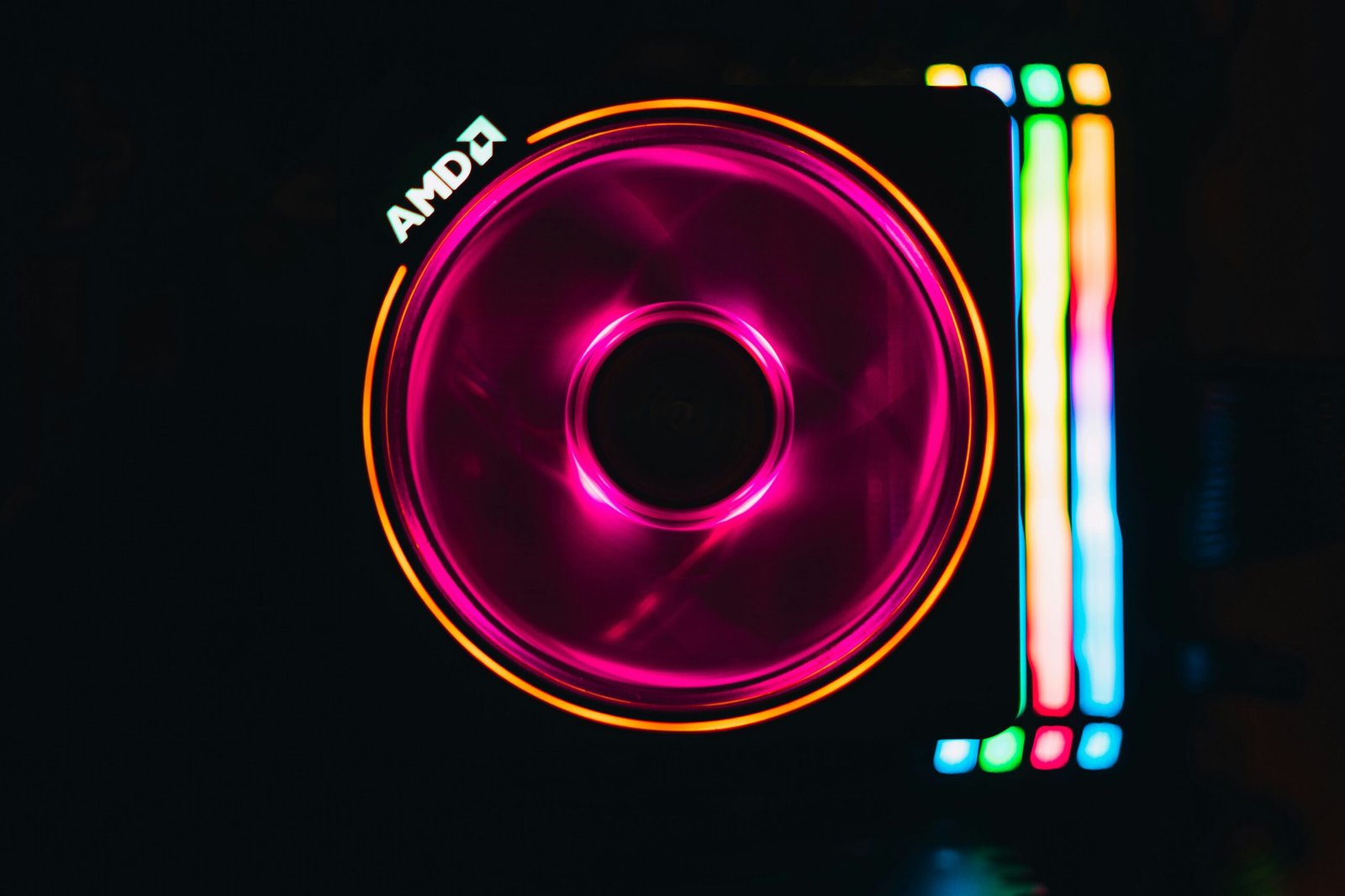
The tech landscape is witnessing a seismic shift as AMD continues its impressive ascent, encroaching on Intel’s territory in both consumer and enterprise markets. Once considered a distant second, AMD is now a formidable competitor, leveraging a mix of innovative products and strategic executive acquisitions to challenge Intel’s longstanding dominance.
AMD’s Stronghold in Consumer CPUs
AMD’s recent gains in the consumer CPU market are hard to ignore. According to the latest Steam Hardware Survey, AMD’s share among Windows users has surged to 47.2%, a remarkable increase from 38.7% just a year prior. This nearly 10% leap underscores AMD’s growing popularity among gamers, a demographic traditionally dominated by Intel. The release of the Ryzen series, known for its performance and stability, has been pivotal in this shift.
In contrast, Intel’s recent CPU releases have been marred by stability issues, particularly with their 13th and 14th generation Raptor Lake processors. These challenges have prompted a wave of consumers to switch to AMD, further eroding Intel’s market share.
Strategic Moves in the Data Center Arena
AMD’s ambitions are not confined to consumer markets. The company is also making significant strides in data centers, a domain where Intel has historically reigned supreme. The recent departure of Saurabh Kulkarni, a key AI executive from Intel to AMD, highlights AMD’s aggressive push into AI and data center technologies. With AMD securing major clients like OpenAI, the company is positioning itself as a serious contender against both Intel and Nvidia in the AI infrastructure realm.
This strategic hiring is part of a broader trend where AMD is attracting top talent to bolster its capabilities and drive innovation. CEO Lisa Su’s vision of generating substantial revenue from the Instinct GPU business by 2027 reflects AMD’s commitment to expanding its footprint in high-performance computing and AI sectors.
Market Implications and Future Outlook
The implications of AMD’s resurgence are profound. Intel, once the unchallenged leader, now finds itself in a battle on multiple fronts. While Intel still holds a significant share of the CPU market, its grip is loosening. AMD’s success story serves as a reminder of how quickly the tides can turn in the tech industry, driven by innovation, strategic foresight, and seizing opportunities.
Looking ahead, the competition between AMD and Intel is poised to intensify. As AMD continues to refine its product offerings and expand its influence in new markets, Intel will need to address its current challenges and innovate to maintain its position. The coming years will be critical in determining whether Intel can reclaim its dominance or if AMD will continue to rise as a leading force in the CPU and AI markets.
Key Takeaways
- AMD’s market share among Steam users has surged to nearly 47.2%, significantly closing the gap with Intel.
- Strategic executive shifts, like hiring Intel’s AI executive, signal AMD’s aggressive expansion in the data center market.
- Intel faces mounting pressure to resolve product stability issues and innovate to counter AMD’s growing influence.
Conclusion
AMD’s rise is a testament to the dynamic nature of the technology sector, where innovation and strategic moves can rapidly alter the competitive landscape. As AMD continues to challenge Intel’s dominance, the industry is set for an exciting period of competition and technological advancement. Whether Intel can adapt and respond effectively remains to be seen, but one thing is certain: the battle for CPU supremacy is far from over.