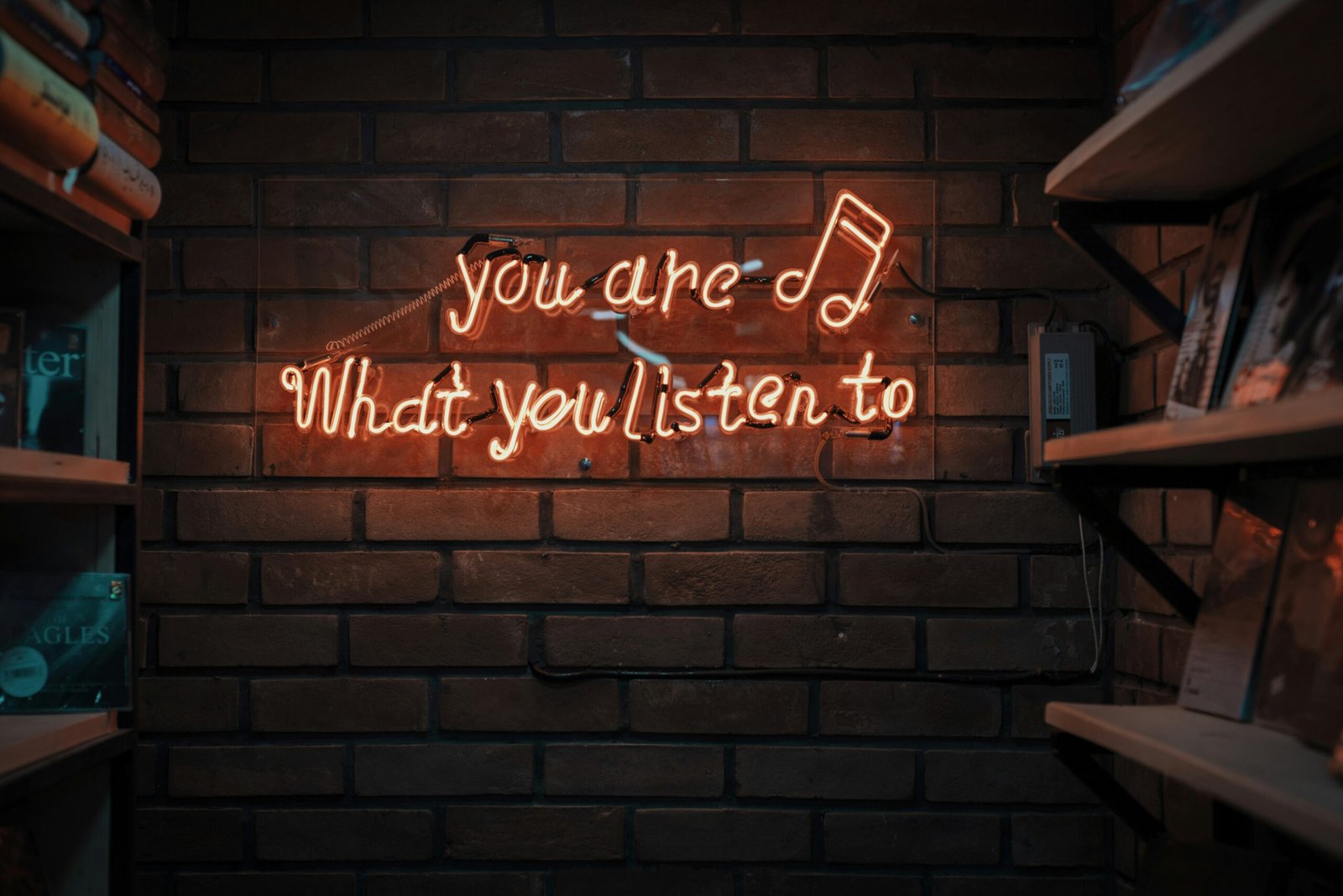
The music industry is experiencing a seismic shift as artificial intelligence (AI) steps onto the stage, not as a backup, but as the main act. From AI-generated hits topping streams to debates over authenticity and rights, the use of AI in music creation is sparking both innovation and controversy.
The Rise of AI-Generated Music
AI tools like OpenAI’s Jukebox and platforms like Soundverse are revolutionizing music production by enabling the creation of songs across genres with remarkable ease. These tools can generate music by analyzing vast amounts of data, offering budding musicians and seasoned artists alike a new avenue to explore creativity. AI’s ability to produce catchy tunes in seconds is not just a novelty; it signals a new era of music-making where algorithms and creativity collide.
Success and Skepticism: AI Bands in the Spotlight
The recent success of AI-generated bands, such as Velvet Sundown, which garnered over a million Spotify plays, highlights AI’s potential to create music that resonates with audiences. However, this success is tempered by industry concerns over transparency and consumer awareness. Critics argue that listeners deserve to know when a track is AI-generated, sparking calls for clearer labeling and ethical guidelines to ensure that AI complements rather than supplants human creativity.
Chart Controversies: Navigating New Norms
AI’s foray into music charts has not been without controversy. In Sweden, an AI-generated song was barred from the official charts, raising questions about the criteria for chart eligibility and the role of human artistry in a digital world. This incident underscores the need for industry standards that address AI’s role in music, balancing innovation with the preservation of artistic integrity.
The Future of Music: AI as a Creative Partner
Despite the challenges, AI’s integration into music holds immense potential. By automating certain aspects of music production, AI allows artists to focus on creativity and experimentation. As AI technology advances, it could serve as a powerful tool for collaboration, offering new sounds and inspirations for artists across genres. However, the industry must navigate ethical considerations, ensuring that AI enhances rather than diminishes the human touch in music.
Key Takeaways
- AI is transforming music production, enabling quick and diverse song creation.
- The rise of AI-generated music prompts debates over transparency and authenticity.
- Industry standards are needed to balance AI innovation with artistic integrity.
Conclusion
The advent of AI in the music industry is both exciting and challenging. As technology continues to evolve, it offers new possibilities for creativity and collaboration. However, the industry must adapt to ensure that AI serves as a beneficial partner in the creative process, respecting both artists’ rights and listeners’ desires for authenticity. As we look to the future, the key will be finding harmony between human artistry and AI innovation.