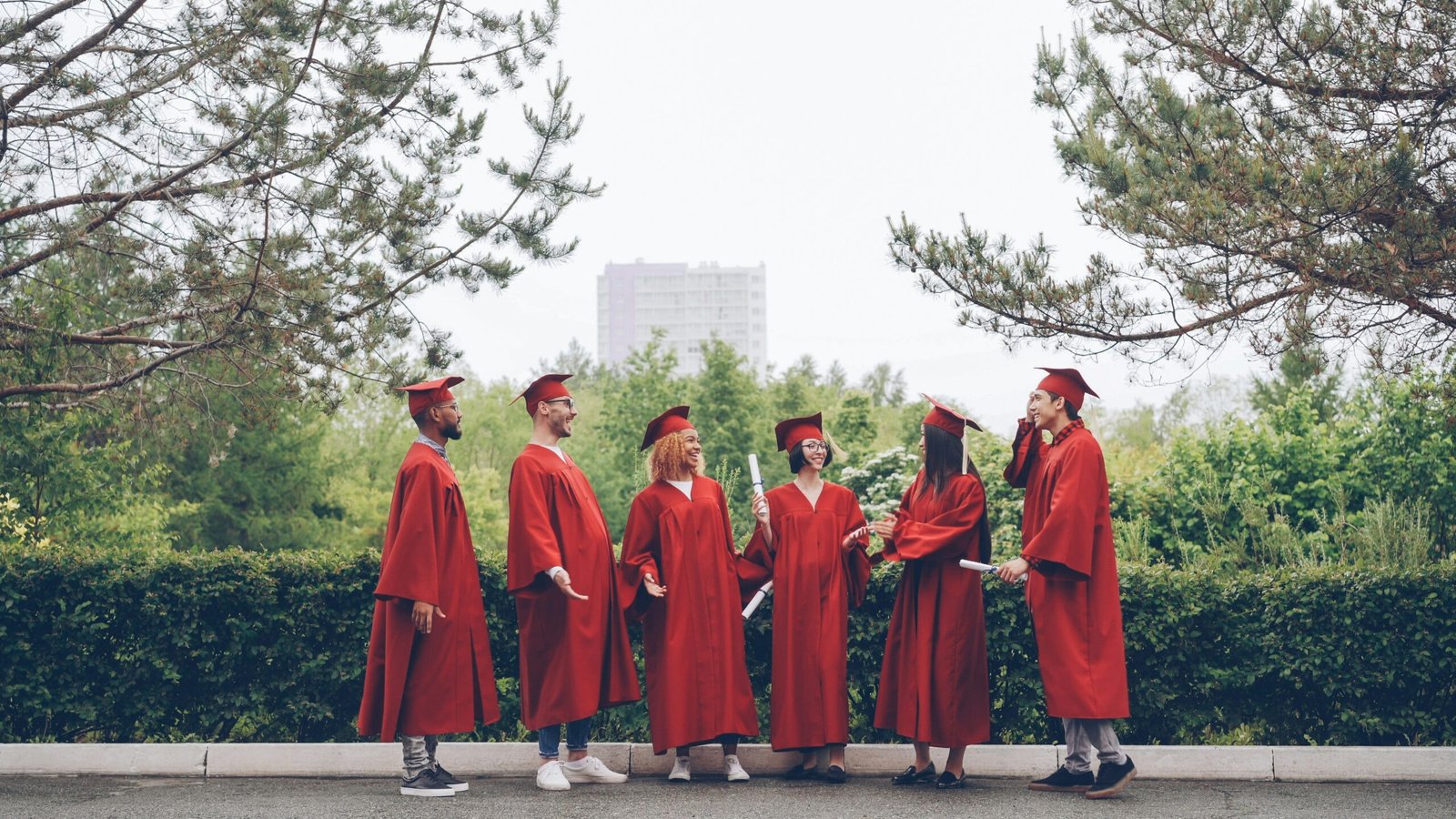
In an evolving job landscape, the once-clear advantages of holding a college degree seem to be fading for recent graduates. The employment scene for young degree-holders is undergoing a seismic shift, with emerging data casting a spotlight on the challenges they face. This predicament is underscored by a narrowing unemployment gap between college-educated individuals and those with only a high school diploma, a trend not seen since the late 1970s.
The Changing Dynamics of College Graduates in the Workforce
Historically, a college degree was a ticket to swift employment and economic stability. However, recent trends indicate a departure from this norm. According to recent analyses, young college graduates aged 22 to 27 are now taking longer to secure jobs compared to their peers with only a high school education. This shift is alarming, considering the higher educational attainment typically associated with quicker job placements.
The Federal Reserve Bank of Cleveland’s analysis shows that only 37.1% of unemployed college graduates in this age group found work or stopped looking each month, compared to 41.5% of high school graduates. This inversion highlights a significant shift in the job market dynamics, suggesting that the economic advantages traditionally conferred by a college degree are diminishing.
Unraveling the Causes Behind the Decline
Multiple factors contribute to this unsettling trend. One theory suggests that the labor market for young people never fully rebounded from the setbacks of the Great Recession and the COVID-19 pandemic. This prolonged recovery period has left a lingering impact on young job seekers.
Additionally, the technological evolution, particularly the rise of artificial intelligence, is reshaping job roles. Tasks once earmarked for entry-level graduates are increasingly being automated, reducing the demand for fresh graduates in roles traditionally filled by them. While AI’s role in this shift is still emerging, its potential impact cannot be underestimated.
The Broader Economic Implications
The broader economic climate also plays a crucial role. Recent reports indicate a slowdown in the labor market, with payroll growth decelerating and unemployment rates ticking upward. College graduates are particularly vulnerable, experiencing a higher increase in unemployment rates compared to non-college-educated workers. This trend suggests that the premium once associated with higher education is losing its sheen.
Moreover, the decline in job-finding rates among college graduates cannot solely be attributed to recent technological advancements like AI. The issue has roots in long-term structural changes in the labor market, where the once-steady growth in the college wage premium has plateaued.
Key Takeaways
- The job-finding rate for young college graduates is declining, narrowing the gap with high school graduates.
- Technological disruptions and long-term economic shifts are key contributors to this trend.
- The traditional economic advantages of holding a college degree are being challenged, impacting young graduates’ job prospects.
Conclusion
As the dynamics of the labor market continue to evolve, young college graduates face a challenging environment. The traditional path from degree to employment is no longer as straightforward, requiring graduates to adapt to a rapidly changing job landscape. The implications of these shifts are profound, suggesting a need for both individuals and educational institutions to recalibrate their strategies in preparing for the future of work. As automation and structural changes reshape the job market, the journey from education to employment will require a more nuanced approach.