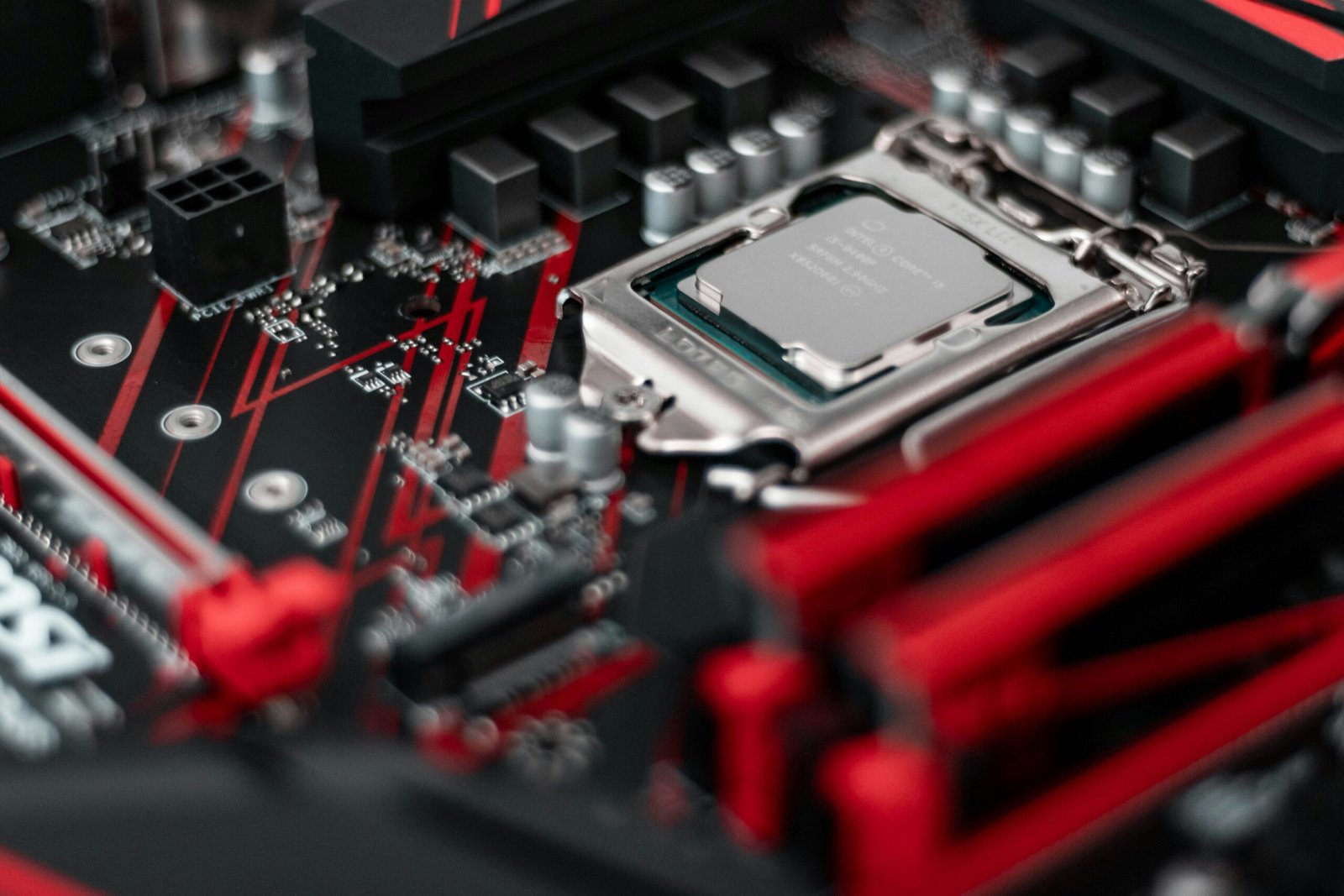
Once the unchallenged titan of the semiconductor world, Intel now finds itself grappling with a confluence of challenges that have shaken its standing in the industry. Recent reports highlight the company’s difficulties in meeting the surging demand for AI data center chips, compounded by manufacturing delays and strategic missteps. As Intel’s share price falters, the company is at a crossroads, striving to reclaim its past glory amid fierce competition from rivals like AMD and Nvidia.
The AI Surge and Supply Chain Woes
Intel’s recent earnings report underscored the company’s struggles to keep pace with the unprecedented demand for AI server chips. Despite owning its manufacturing facilities, Intel has been unable to ramp up production swiftly enough to satisfy the needs of its major tech clients. This shortfall has left valuable data center sales untapped, as competitors capitalize on the opportunity to expand their market share.
The company forecasted a revenue range that fell below Wall Street expectations, triggering a sharp decline in its share value. CEO Lip-Bu Tan acknowledged the challenge, emphasizing that Intel’s current product lineup reflects decisions made years prior, which now seem ill-suited for the rapid evolution of AI technologies.
Manufacturing Delays and Leadership Shifts
Intel’s manufacturing hurdles have been a persistent thorn in its side, particularly its sluggish transition from 10nm to 7nm process nodes. These delays allowed AMD to seize the initiative with its cutting-edge Zen architecture, while Nvidia’s dominance in the AI GPU market further intensified Intel’s competitive pressures.
The leadership instability at Intel has only added to these woes. The appointment of Pat Gelsinger as CEO was initially seen as a potential turnaround, but strategic execution has lagged. Gelsinger’s IDM 2.0 strategy aimed to revitalize Intel’s fabrication capabilities, but the company has struggled to keep pace with the nimble strategies of its competitors.
The Ripple Effects of Missed Opportunities
Intel’s challenges are not confined to manufacturing and leadership issues alone. Strategic decisions from the past continue to haunt the company. Notably, Intel’s missed opportunity to supply chips for Apple’s iPhone in 2007 marked the beginning of a series of strategic misjudgments. Apple’s eventual shift to its own silicon further eroded Intel’s market share and underscored the importance of foresight in the tech industry.
As Intel attempts to realign its strategies, it must contend with an industry landscape that has shifted dramatically. Competitors like AMD and Nvidia have not only caught up but, in many areas, surpassed Intel’s offerings in terms of performance and efficiency. This dynamic has left Intel grappling to redefine its role and value proposition in a rapidly evolving market.
Key Takeaways
- Intel faces significant challenges in meeting AI data center demand due to supply shortages and manufacturing delays.
- Leadership changes have impacted Intel’s strategic direction, exacerbating its competitive disadvantage.
- Past strategic missteps continue to affect Intel’s market position, underscoring the need for agile decision-making.
Conclusion
As Intel navigates this turbulent period, its ability to adapt and innovate will determine its future trajectory. The company must address both its internal inefficiencies and external market pressures to regain its footing. With AI and data center technologies driving the next wave of computing, Intel’s response to these challenges could redefine its legacy in the tech industry.