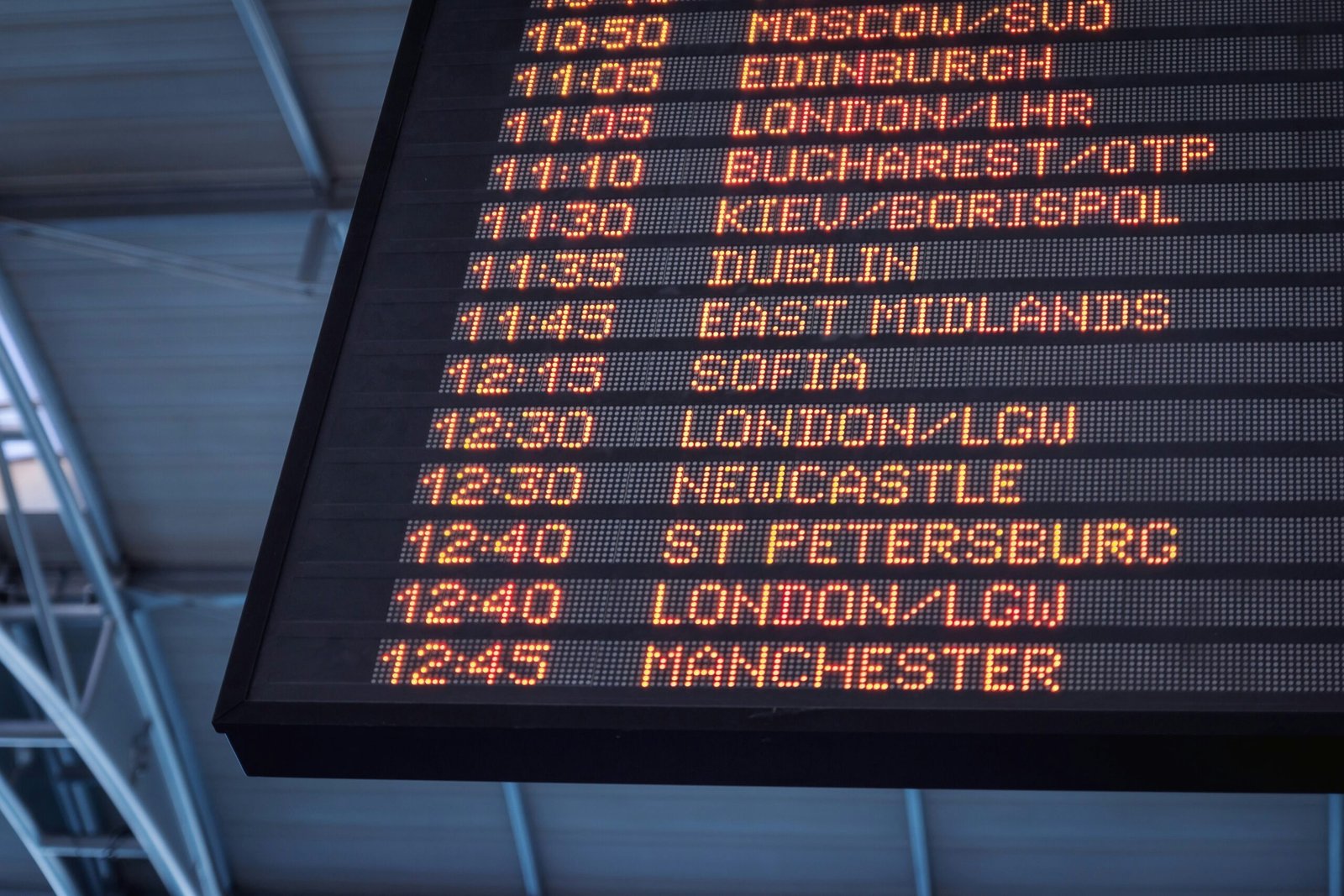
In the face of a formidable winter storm, aptly named “Winter Storm Fern,” the U.S. travel industry is grappling with unprecedented disruptions. As icy conditions and heavy snowfall blanket much of the country, airlines have been forced to cancel thousands of flights, causing a ripple effect across the nation’s air travel network.
The Storm’s Impact on Air Travel
Airlines have canceled over 13,000 flights during the weekend, marking one of the most significant disruptions since the COVID-19 pandemic. Airports from Texas to the Northeast have seen extensive cancellations, with major hubs like Dallas Fort Worth International and Charlotte Douglas International bearing the brunt of the storm’s impact. The sheer volume of cancellations highlights the vulnerabilities in the current air travel infrastructure when faced with extreme weather events.
Airline Responses and Passenger Strategies
In anticipation of the storm, airlines have issued travel waivers to accommodate affected passengers, allowing them to rebook or alter their plans without incurring penalties. This proactive approach aims to mitigate the chaos at airports and provide travelers with flexible options. Meanwhile, passengers are advised to book earlier flights, avoid layovers, and choose airlines with multiple daily flights to increase the likelihood of reaching their destinations on time. Additionally, understanding passenger rights and having a backup plan can be crucial in navigating such disruptions.
“The most significant cancellations in a single day since the pandemic began,” underscores the severity of the situation, urging both airlines and passengers to adapt swiftly.
— CBS News
Weathering the Storm: Future Implications
This event serves as a stark reminder of the challenges facing the aviation industry in an era of increasing climate unpredictability. Airlines must refine their contingency planning and enhance communication strategies to better handle such extensive disruptions. For travelers, this means being more strategic about booking flights and considering travel insurance to protect against unforeseen cancellations.
Key Takeaways
- Major winter storms can lead to thousands of flight cancellations, disrupting travel across the country.
- Airlines are offering flexible travel waivers to accommodate affected passengers.
- Travelers should adopt strategies such as booking early flights and understanding their rights to mitigate disruption impacts.
Conclusion
The current wave of flight cancellations underscores the need for both the aviation industry and passengers to adapt to the realities of extreme weather events. By employing strategic planning and robust contingency measures, airlines can minimize disruptions, while travelers can safeguard their journeys against the unpredictability of Mother Nature.