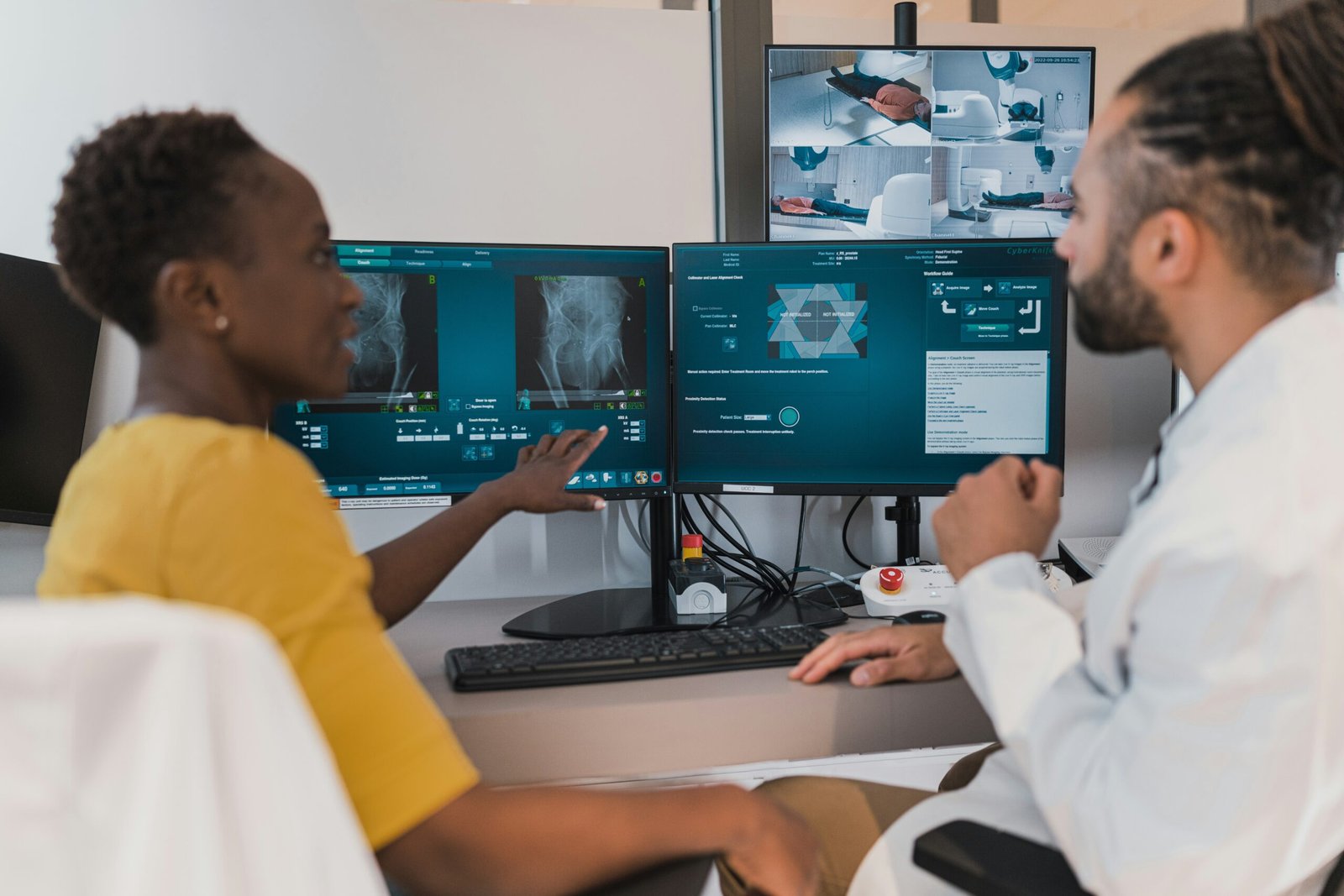
The integration of artificial intelligence in radiology has defied early predictions of widespread job displacement. Instead of replacing human radiologists, AI has triggered an unexpected surge in demand for these medical professionals. This counterintuitive trend stems from AI’s role as a force multiplier—enhancing diagnostic capabilities, creating new quality assurance responsibilities, and enabling healthcare systems to process the exponentially growing volume of medical imaging studies.
How AI Transforms Rather Than Replaces Radiologists
Early fears that AI would automate radiologists out of existence have proven unfounded. Rather than serving as a replacement, AI functions as a sophisticated diagnostic assistant that amplifies human expertise. These systems excel at pattern recognition and can rapidly process vast datasets—capabilities that prove invaluable as healthcare systems grapple with aging populations requiring more frequent imaging studies. However, AI’s diagnostic suggestions require expert validation, interpretation within clinical context, and quality oversight—tasks that demand the nuanced judgment only trained radiologists can provide. This human-AI collaboration has created entirely new professional responsibilities while making existing workflows more efficient.
Tackling Critical Workforce Shortages
The radiology profession faces a perfect storm of challenges: surging imaging volumes, an aging radiologist workforce approaching retirement, and training bottlenecks that limit new graduates. Addressing these systemic issues requires coordinated action across multiple fronts. Medical schools are exploring accelerated training pathways and competency-based curricula to reduce the lengthy residency requirements. Meanwhile, legislative initiatives aim to expand federally funded residency positions, which have remained essentially flat for decades despite growing healthcare needs. Technology solutions, including AI-assisted workflows and improved diagnostic tools, help existing radiologists handle larger caseloads without compromising quality.
Optimizing the Reading Room Environment
While technological advances capture headlines, the physical workspace significantly impacts radiologist performance and career longevity. Modern reading rooms require careful attention to ergonomics and environmental factors that affect diagnostic accuracy and professional wellbeing. Strategic lighting design—replacing harsh fluorescent fixtures with adjustable LED systems—reduces eye strain during long interpretation sessions. Sound masking technology minimizes distracting ambient noise, while ergonomic workstations prevent repetitive stress injuries common in professions requiring extended computer use. These seemingly mundane improvements can measurably boost productivity and reduce burnout rates.
The Path Forward: Specialization and New Opportunities
AI’s integration into radiology signals a broader transformation in how medical professionals will work alongside intelligent systems. Rather than creating unemployment, this technological evolution is driving subspecialization within radiology. New career paths are emerging around AI system management, algorithm validation, and human-machine interface optimization. Radiologists who embrace continuous learning and adapt to these technological shifts will find expanded opportunities, while those who resist change may struggle to remain relevant. This dynamic underscores the critical importance of lifelong professional development in an AI-augmented healthcare landscape.
Key Takeaways
- AI has increased demand for radiologists by enhancing diagnostic capabilities and creating new oversight responsibilities.
- Workforce shortages require coordinated solutions including educational reform, expanded residency funding, and technological innovation.
- Optimized reading room environments—featuring proper lighting, ergonomics, and noise control—significantly improve radiologist performance and job satisfaction.
Conclusion
The radiology profession’s experience with AI offers valuable lessons for other healthcare specialties facing similar technological disruption. Rather than viewing AI as an existential threat, the medical community should recognize it as a powerful tool that can enhance human capabilities when properly implemented. Success in this AI-augmented future will depend on healthcare systems’ ability to thoughtfully integrate technology while preserving the irreplaceable value of human clinical judgment. As AI continues advancing, the most successful radiologists will be those who learn to leverage these tools to deliver better patient care more efficiently.
*Article by Hedge*