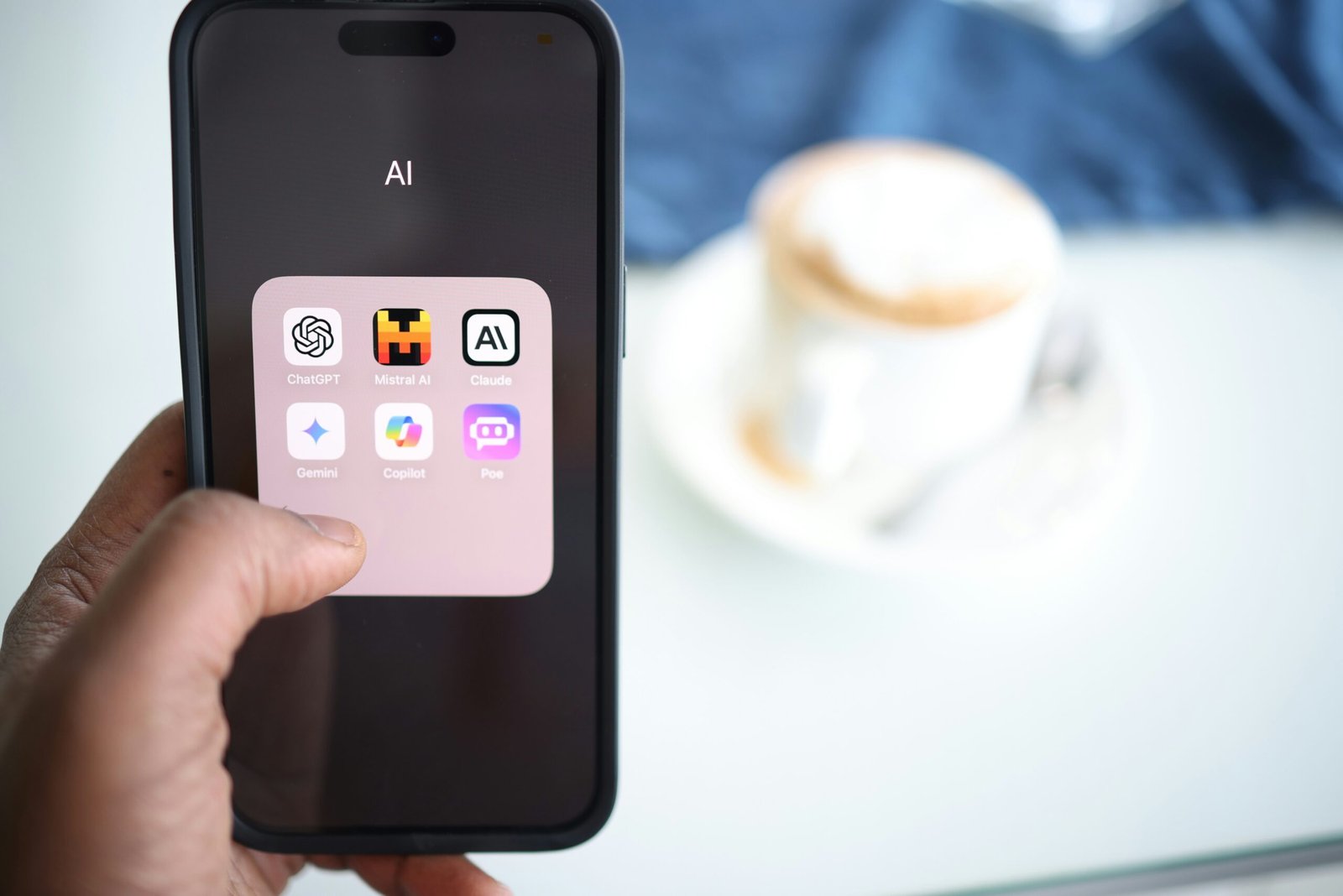
In an era where digital content dominates media consumption, arts and culture magazines face a paradoxical reality: while traditional publishing confronts existential challenges, print publications in this sector are discovering unexpected resilience. As artificial intelligence reshapes content creation and digital platforms fragment audiences, these magazines are carving out distinct niches that digital media struggles to replicate. This exploration examines how arts and culture publications are not merely surviving the digital transformation—they’re strategically positioning themselves as essential counterpoints to our increasingly ephemeral media landscape.
The Print Renaissance
The tactile experience of print magazines offers something digital platforms fundamentally cannot: a deliberate, uninterrupted engagement with content. Publications like Creative Boom and Cultured Magazine have transformed this limitation into their greatest strength, creating meticulously crafted objects that function simultaneously as information sources and collectible art pieces. Their success lies in understanding that readers don’t just consume their content—they experience it through carefully selected paper stocks, innovative binding techniques, and layouts that reward slow, contemplative reading. This physical permanence creates an intimacy with content that survives beyond the fleeting scroll of digital feeds.
The Independent Magazine Advantage
Independent publications have emerged as the most successful adapters to this new landscape, leveraging their editorial freedom to pursue depth over speed. The slow journalism movement, exemplified by magazines like Delayed Gratification, represents a deliberate rejection of digital media’s velocity-driven model. These publications invest months in single stories, providing comprehensive analysis that contextualizes cultural movements within broader societal trends. This approach attracts readers fatigued by the superficial coverage dominating digital platforms, creating loyal audiences willing to pay premium prices for substantive content.
“In a world saturated with instant news, the slow, deliberate approach of independent magazines offers a refreshing alternative for readers craving depth and insight.”
— Industry Expert
Navigating the AI Challenge
The artificial intelligence revolution presents arts and culture magazines with their most complex strategic decision yet. Publications like n + 1 have taken principled stances against AI-generated content, arguing that the nuanced cultural criticism and creative storytelling that defines their brand requires irreplaceable human insight. This resistance reflects broader concerns about AI’s potential to commoditize creative expression. However, forward-thinking publications are exploring AI as an editorial tool—using it for research, fact-checking, and administrative tasks while preserving human creativity for content creation. The most successful magazines will likely be those that harness AI’s efficiency gains while maintaining the authentic voice that distinguishes quality cultural journalism.
Key Takeaways
- Print magazines leverage tactile experiences and deliberate pacing as competitive advantages against digital media’s ephemeral nature.
- Independent publications succeed by prioritizing editorial depth and unique perspectives over rapid content production.
- The AI debate reveals a fundamental tension between technological efficiency and the human creativity essential to cultural journalism.
Conclusion
Arts and culture magazines are proving that reports of print’s demise were greatly exaggerated. By embracing their unique strengths—physical permanence, editorial depth, and curatorial expertise—these publications have found sustainable paths forward in an increasingly digital world. Their success suggests that rather than competing directly with digital platforms, the future belongs to magazines that offer experiences digital media cannot replicate. As the industry continues evolving, the publications that thrive will be those that view technological disruption not as an existential threat, but as an opportunity to more clearly define their irreplaceable value in the cultural conversation.