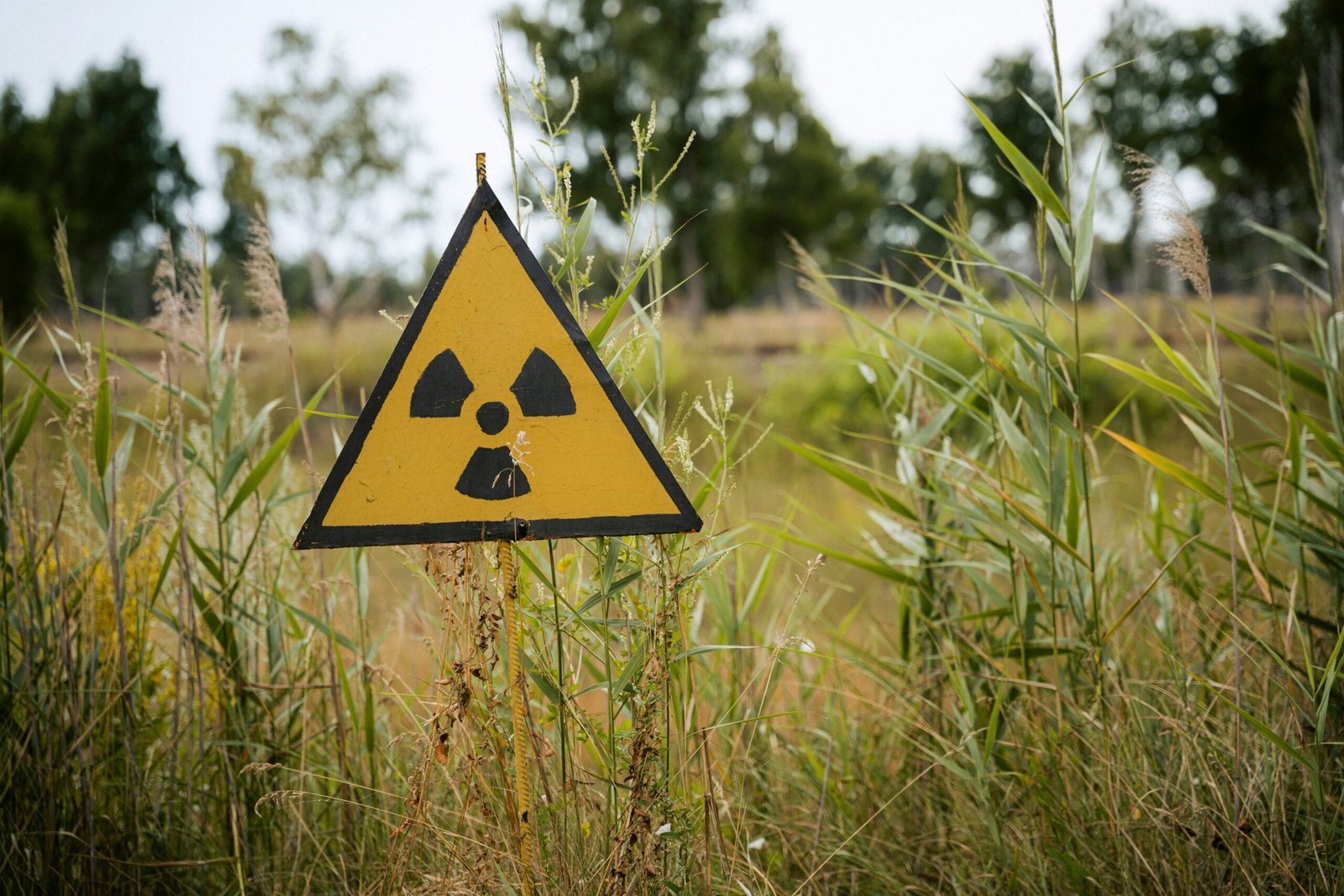
Britain is accelerating its nuclear power revival as surging energy demands from AI datacenters and industrial electrification strain the national grid. This atomic renaissance represents a strategic pivot toward large-scale, carbon-free baseload power—but regulatory hurdles threaten to derail the ambitious timeline.
Why Nuclear Power Now?
The explosion in AI computing has created unprecedented energy demands that traditional power sources struggle to meet. Datacenters supporting machine learning workloads require constant, reliable electricity—exactly what nuclear reactors provide. The UK’s Nuclear Regulatory Taskforce has identified a critical bottleneck: Britain has become the world’s most expensive location for nuclear development, with regulatory complexity adding billions to project costs and years to construction timelines.
Breaking the Regulatory Logjam
The taskforce’s reform blueprint targets the bureaucratic maze that has stifled nuclear development for decades. Key proposals include streamlining the multi-agency approval process, establishing clear regulatory pathways for next-generation reactor designs, and reducing duplicative oversight requirements. The centerpiece recommendation calls for a unified Commission for Nuclear Regulation to replace the current fragmented system where multiple bodies often work at cross-purposes.
“The taskforce’s recommendations are a clarion call for action, aiming to balance regulatory efficiency with safety and environmental considerations,” says John Fingleton, leader of the taskforce.
Learning from Nuclear History
Britain’s nuclear legacy offers both cautionary tales and strategic insights. As the first nation to develop nuclear weapons during the Cold War era, the UK built substantial atomic expertise that later enabled civilian nuclear power programs. The restoration of UK-US nuclear cooperation in the late 1950s proved pivotal for technological advancement—a model that could inform today’s international partnerships on advanced reactor technologies and supply chain development.
Navigating Complex Challenges
The nuclear revival faces significant headwinds beyond regulatory reform. Public skepticism remains high following decades of cost overruns, construction delays, and safety concerns at projects like Hinkley Point C. Environmental justice issues also loom large, particularly regarding the historical impact on military personnel and indigenous communities affected by nuclear testing programs. Successfully integrating nuclear power with renewable energy sources will require sophisticated grid management and storage solutions.
Key Takeaways
- AI datacenter growth is driving urgent demand for reliable, carbon-free baseload power that nuclear can uniquely provide.
- Regulatory streamlining could reduce nuclear project costs by billions and accelerate deployment timelines.
- Historical nuclear experience provides valuable lessons for managing international partnerships and technology transfer.
The Path Forward
Britain’s nuclear gambit will test whether democratic nations can move quickly enough to deploy clean energy infrastructure at the scale and speed climate goals demand. Success requires not just regulatory reform, but rebuilding public confidence through transparent project management and meaningful community engagement. If the UK can crack this code, it could establish a replicable model for nuclear deployment in the AI age—transforming both energy security and climate strategy for the 21st century.