As television marks its 100th anniversary, we find ourselves at a crossroads in its storied evolution. From its nascent days of mechanical displays to becoming the digital cornerstone of modern media, television’s journey is a testament to technological innovation and cultural impact. Let’s explore how this medium has shaped our world and what lies ahead in its digital future.
The Dawn of Television: A Revolutionary Beginning
The story of television began with John Logie Baird’s groundbreaking demonstration in 1926. This event marked the first public showcase of “true television,” presenting grayscale images that would lay the foundation for a medium that would eventually become a staple in homes worldwide. The 1930s and 40s saw television evolve from experimental broadcasts to a regular service, with the BBC spearheading this transformation by offering diverse programming, from drama and sports to the world’s first sitcoms.
Television’s Impact: A Cultural Phenomenon
Television’s influence grew exponentially in the post-war era, becoming a cultural touchstone. Iconic broadcasts such as Queen Elizabeth II’s coronation and the moon landing captivated millions, bringing people together in shared experiences. Networks like NBC played pivotal roles in this era, introducing color broadcasts and pioneering program formats that would define television for decades. Landmark events, such as the first televised presidential debate, underscored television’s growing role in shaping public discourse.
The Digital Shift: From Broadcast to Stream
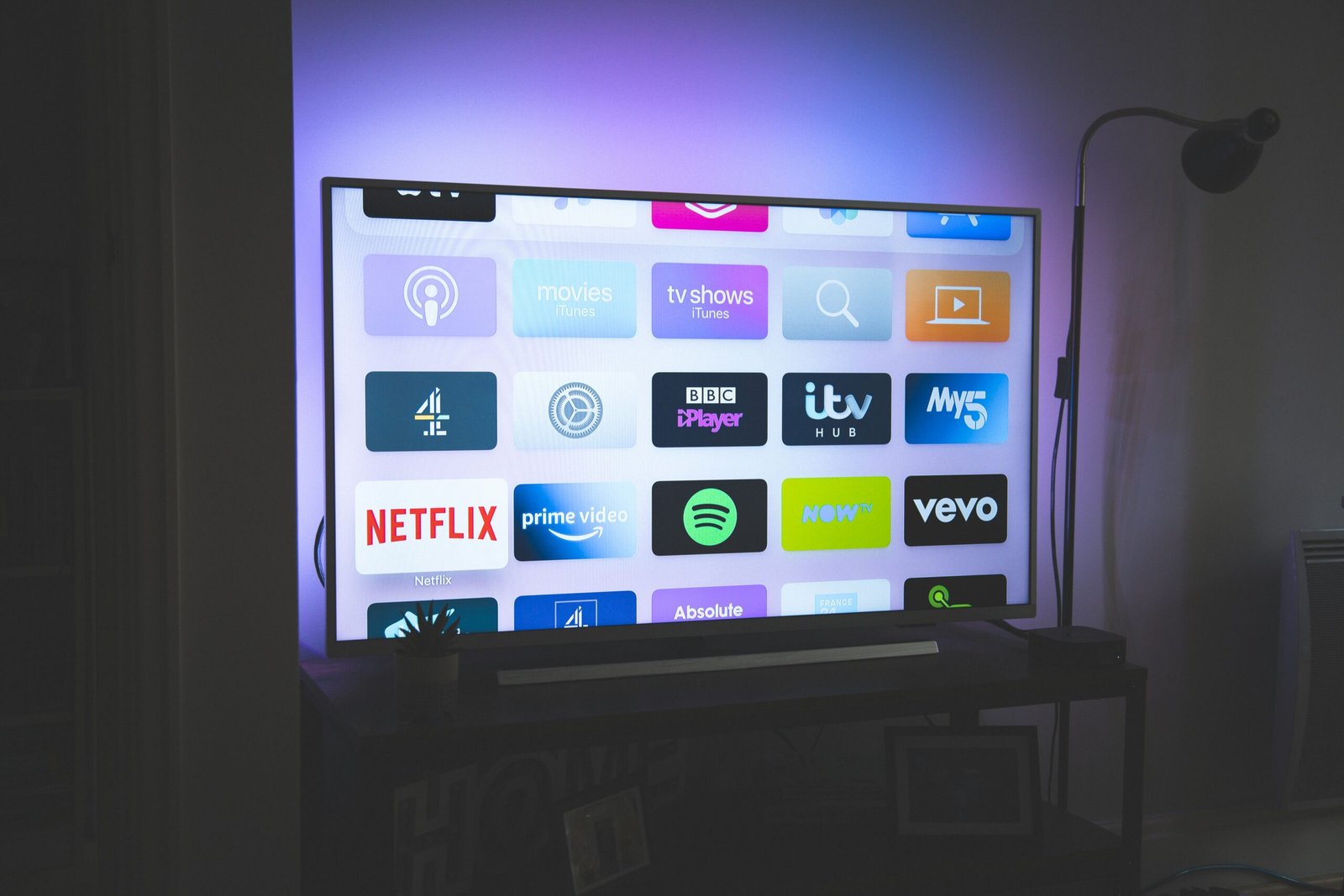
In recent decades, television has undergone a seismic shift with the advent of digital technology. The streaming revolution has redefined how content is delivered and consumed, with platforms like Netflix leading the charge. This transition has not only changed viewing habits but also democratized content creation, allowing diverse voices to reach global audiences. As we move forward, streaming is poised to become the dominant mode of television delivery, with industry experts predicting a complete digital transition in the coming years.
Television’s Future: Innovation and Interactivity
Looking ahead, the next century of television promises to be one of innovation and interactivity. The integration of data analytics and interactive content will redefine audience engagement, offering personalized experiences that were once unimaginable. The rise of shoppable TV and other interactive formats will blur the lines between entertainment and commerce, creating new opportunities for growth and creativity in the industry.
Key Takeaways
- Television has evolved from a mechanical novelty to a digital powerhouse, influencing culture and society.
- The streaming revolution has reshaped content delivery, making television more accessible and diverse.
- The future of television lies in its ability to innovate and integrate new technologies, enhancing viewer engagement.
Conclusion
As television embarks on its second century, it stands as a testament to the power of innovation and storytelling. While the medium has transformed dramatically since its inception, its core mission—bringing stories to life and connecting people—remains unchanged. The future of television is boundless, and its continued evolution promises to captivate and inspire audiences worldwide for generations to come.