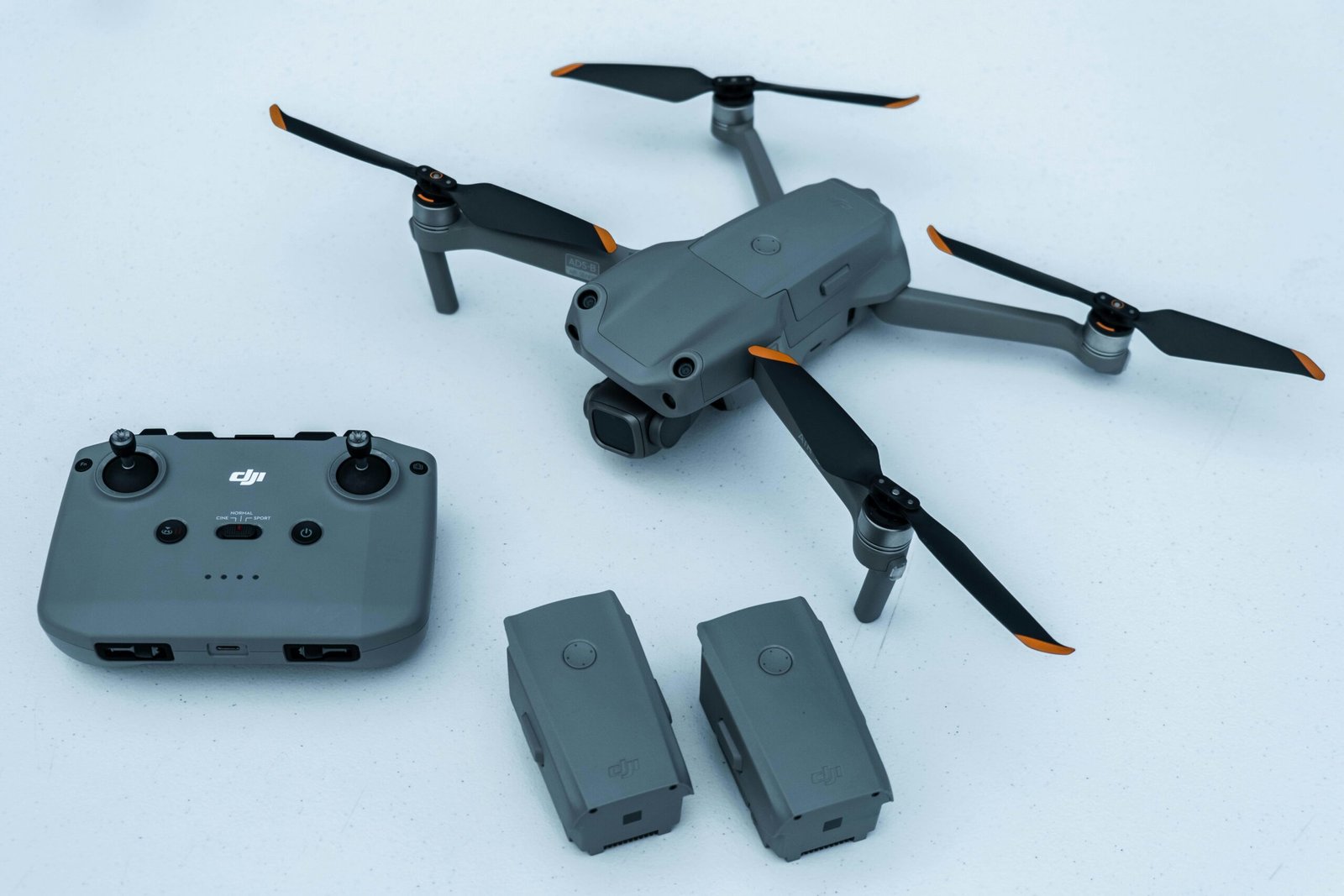
A federal court ruling has dealt a significant blow to DJI, allowing the Pentagon to maintain its controversial designation of the world’s largest drone manufacturer as a “Chinese Military Company.” The decision, handed down by U.S. District Court Judge Paul Friedman, validates the Department of Defense’s authority to classify companies based on national security concerns—even without direct evidence of military collaboration.
Court Upholds Pentagon’s Broad Security Authority
Judge Friedman’s ruling centers on DJI’s status as a “National Enterprise Technology Center,” a designation awarded by China’s National Development and Reform Commission that comes with substantial government financial incentives. While the court acknowledged the absence of concrete evidence directly linking DJI to China’s military apparatus, it deferred to the Pentagon’s expansive discretion in national security matters. This precedent effectively grants defense officials wide latitude in designating foreign companies as security threats based on government connections rather than proven military ties.
Mounting Pressure on DJI’s U.S. Market Position
The military company designation compounds DJI’s existing regulatory challenges in the United States. The Chinese drone maker already faces an impending import ban on new products and dwindling inventory due to trade restrictions implemented over the past several years. This latest ruling threatens to accelerate DJI’s market erosion by legitimizing concerns about the company’s security risks, potentially driving away government contractors, enterprise customers, and security-conscious consumers who represent lucrative segments of the U.S. drone market.
Limited Legal Options for DJI’s Defense
DJI has expressed disappointment with the ruling while keeping appeal options open, though the legal landscape appears increasingly hostile. The company maintains that the designation unfairly damages its reputation and restricts market access, arguing for fair competition principles. However, the court’s deference to Pentagon judgment on security classifications creates a high bar for successful appeals. DJI’s legal strategy must now navigate the challenging terrain of national security law, where commercial interests typically yield to defense concerns.
Key Takeaways
- Federal courts grant Pentagon broad discretion in classifying foreign companies as security threats, even without direct military evidence.
- DJI’s “Chinese Military Company” designation accelerates existing market pressures from trade restrictions and import bans.
- The ruling establishes precedent for government classification of companies based on state financial support rather than proven military connections.
Broader Implications for Tech Industry
This ruling extends beyond DJI’s immediate challenges, signaling how U.S. courts will handle the intersection of national security and international commerce in the technology sector. The decision validates a more aggressive approach to classifying foreign tech companies as security risks based on government relationships rather than direct military involvement. As geopolitical tensions continue shaping technology policy, other Chinese companies with government ties may face similar designations, fundamentally altering competitive dynamics in critical technology markets.