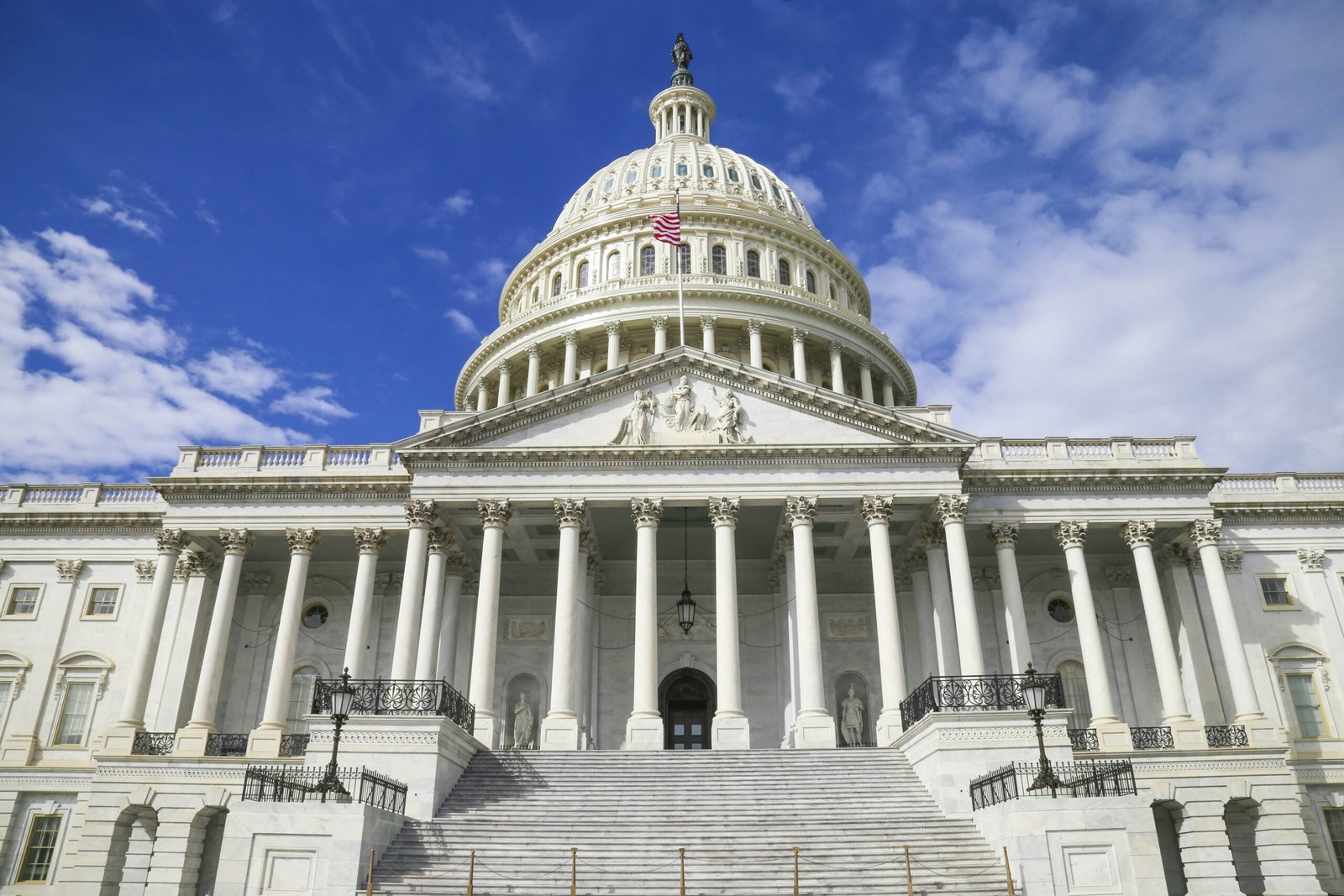
The recent debate in the U.S. Congress over ‘kill switch’ technology for vehicles has stirred significant controversy, highlighting broader political tensions and raising questions about privacy, safety, and government oversight. This technology, intended to reduce impaired driving, has become a flashpoint in legislative discussions, reflecting the complex interplay of technological advancement and political ideology.
Background on the ‘Kill Switch’ Mandate
The ‘kill switch’ mandate originates from the 2021 Infrastructure Investment and Jobs Act, which requires the integration of advanced impaired-driving prevention technology in all new vehicles sold in the U.S. after 2026. This technology is envisioned to monitor driver behavior, detect impairment, and potentially intervene to prevent accidents. However, the specifics of how this technology will be implemented remain under the purview of the National Highway Traffic Safety Administration (NHTSA), which is still exploring various options.
Political Divide and Legislative Challenges
In a recent House vote, an amendment proposed by Representative Thomas Massie aimed at blocking funding for this mandate was defeated, with a notable number of Republicans siding with Democrats. This decision has sparked backlash from conservative circles, who argue that such technology represents an overreach of government power. Florida Governor Ron DeSantis likened the mandate to Orwellian surveillance, voicing concerns about potential government control over private vehicles.
“The idea that the federal government would require auto manufacturers to equip cars with a ‘kill switch’ that can be controlled by the government is something you’d expect in Orwell’s 1984,” stated Governor Ron DeSantis.
Implications for Automakers and Consumers
The automotive industry has expressed concerns about the feasibility and cost of implementing such technologies by the 2026 deadline. Estimates suggest that these systems could add between $500 to $2,000 to the cost of a new vehicle, potentially impacting car affordability. Automakers are also worried about the technological challenges and the timeline for compliance, urging for a more realistic schedule.
Key Takeaways
- The ‘kill switch’ mandate is part of broader efforts to reduce traffic fatalities caused by impaired driving.
- Political opposition highlights concerns over privacy and governmental overreach.
- The automotive industry faces significant challenges in meeting the proposed requirements within the given timeline.
Conclusion
The debate over ‘kill switch’ technology serves as a microcosm of the broader discussions about technology’s role in society and government. As we move towards a future where technology increasingly intersects with daily life, striking a balance between innovation, privacy, and safety will remain a critical challenge. The outcome of this legislative battle could set important precedents for how technology is integrated into public policy, influencing both the automotive industry and consumer experiences for years to come.