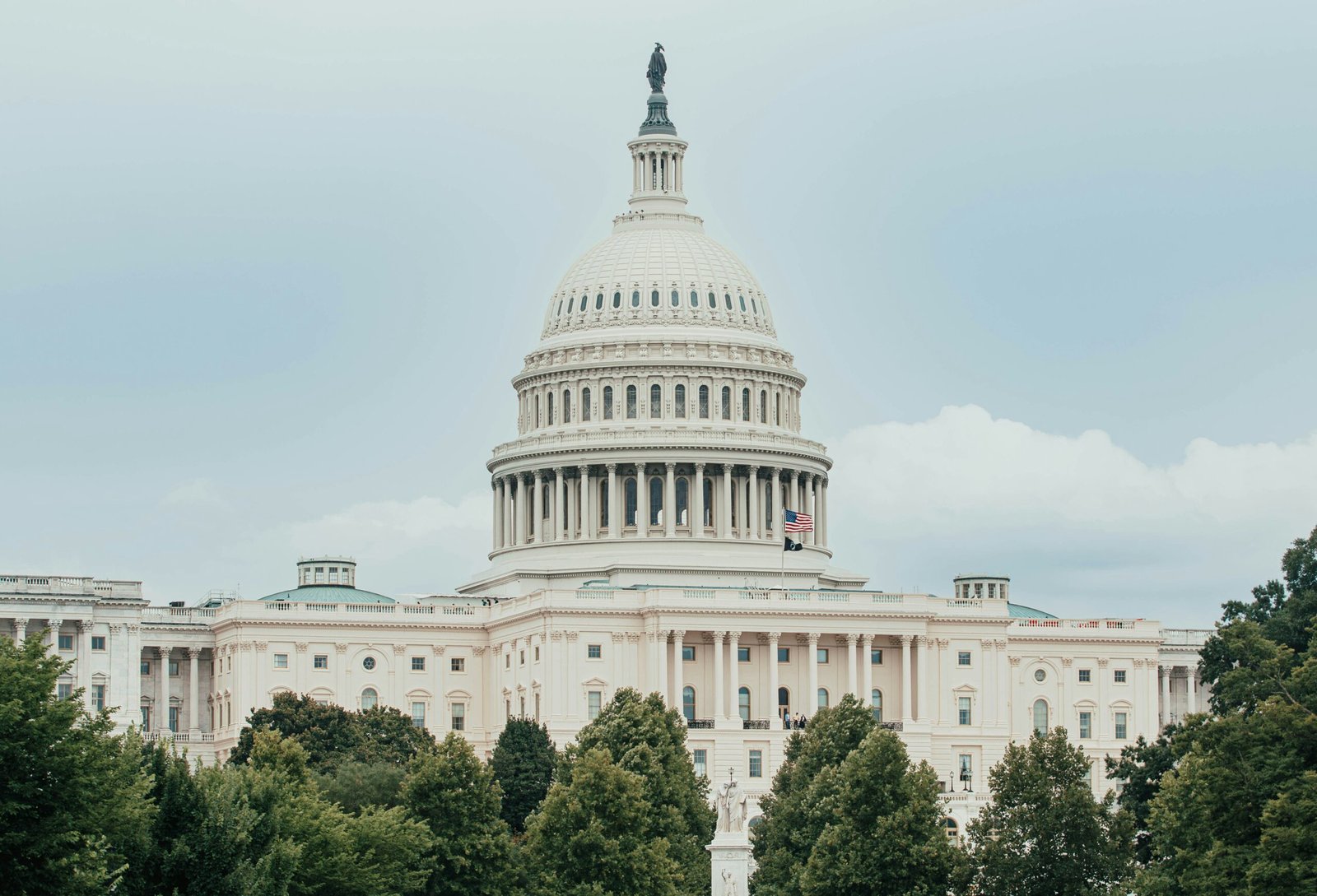
When lawmakers leave Congress, they don’t simply disappear from public life. Instead, they embark on diverse career trajectories that leverage their political expertise while opening new chapters in their professional journeys. These post-Congressional paths reveal how legislative experience translates into influence across multiple sectors, from corporate boardrooms to humanitarian missions.
The Many Roads After Capitol Hill
Former Congress members pursue remarkably varied careers after leaving office. Academia attracts many who seek to mentor future leaders and conduct policy research at universities and think tanks. The private sector beckons others, where their regulatory knowledge and relationship networks prove invaluable in consulting, corporate affairs, and strategic advisory roles.
Some former legislators find their calling in continued public service through different channels. Ryan A. Costello, who retired following challenging redistricting in Pennsylvania, has focused on family life while maintaining involvement in political commentary. Dave Reichert exemplifies a different approach, applying his law enforcement background to humanitarian work in Central America, where he’s developing DNA databases to help identify missing persons—a striking example of how Congressional experience can fuel innovative social impact initiatives.
Navigating the Advocacy Landscape Shift
When experienced lawmakers depart, advocacy organizations face what industry professionals describe as an “institutional brain drain.” These groups lose not just voting allies, but seasoned partners who understood complex policy nuances and legislative timing. The challenge extends beyond relationship-building—advocacy teams must recalibrate their strategies for incoming members who may have different priorities and communication styles.
The revolving door between Congress and K Street remains active, with many former lawmakers transitioning into lobbying roles. This phenomenon creates both continuity and tension: while these professionals bring deep procedural knowledge to advocacy efforts, their transitions also raise questions about the boundaries between public service and private influence. The result is a complex ecosystem where former legislators continue shaping policy, albeit from outside the legislative chamber.
Understanding Congressional Departure Patterns
Multiple forces drive lawmakers’ decisions to leave Congress. Electoral pressures, including redistricting and shifting voter demographics, push some toward retirement. Personal factors—family obligations, health considerations, or simply burnout from the political grind—influence others. Recent high-profile departures like those of Tom Reed and Filemon Vela illustrate how changing political landscapes and personal circumstances intersect to reshape Congressional composition.
These departures carry broader implications beyond individual career changes. They reflect evolving party dynamics, generational shifts in political leadership, and changing expectations about public service. Each exit potentially alters committee expertise, coalition-building capabilities, and institutional memory within Congress itself.
Key Takeaways
- Former lawmakers leverage their political expertise across diverse sectors, from academia to humanitarian work.
- Congressional departures create both challenges and opportunities for advocacy organizations navigating relationship transitions.
- Multiple factors—electoral, personal, and political—drive departure decisions, reflecting broader shifts in American politics.
Conclusion
The post-Congressional landscape demonstrates that political experience remains valuable long after lawmakers leave office. While transitions present challenges for both individuals and the advocacy ecosystem, they also create opportunities for innovation and fresh perspectives. Former legislators continue influencing policy and society through new channels, ensuring their expertise contributes to public discourse and problem-solving beyond the traditional boundaries of elected office. This dynamic flow of talent between public and private sectors ultimately enriches both domains while maintaining vital connections between governance and civil society.