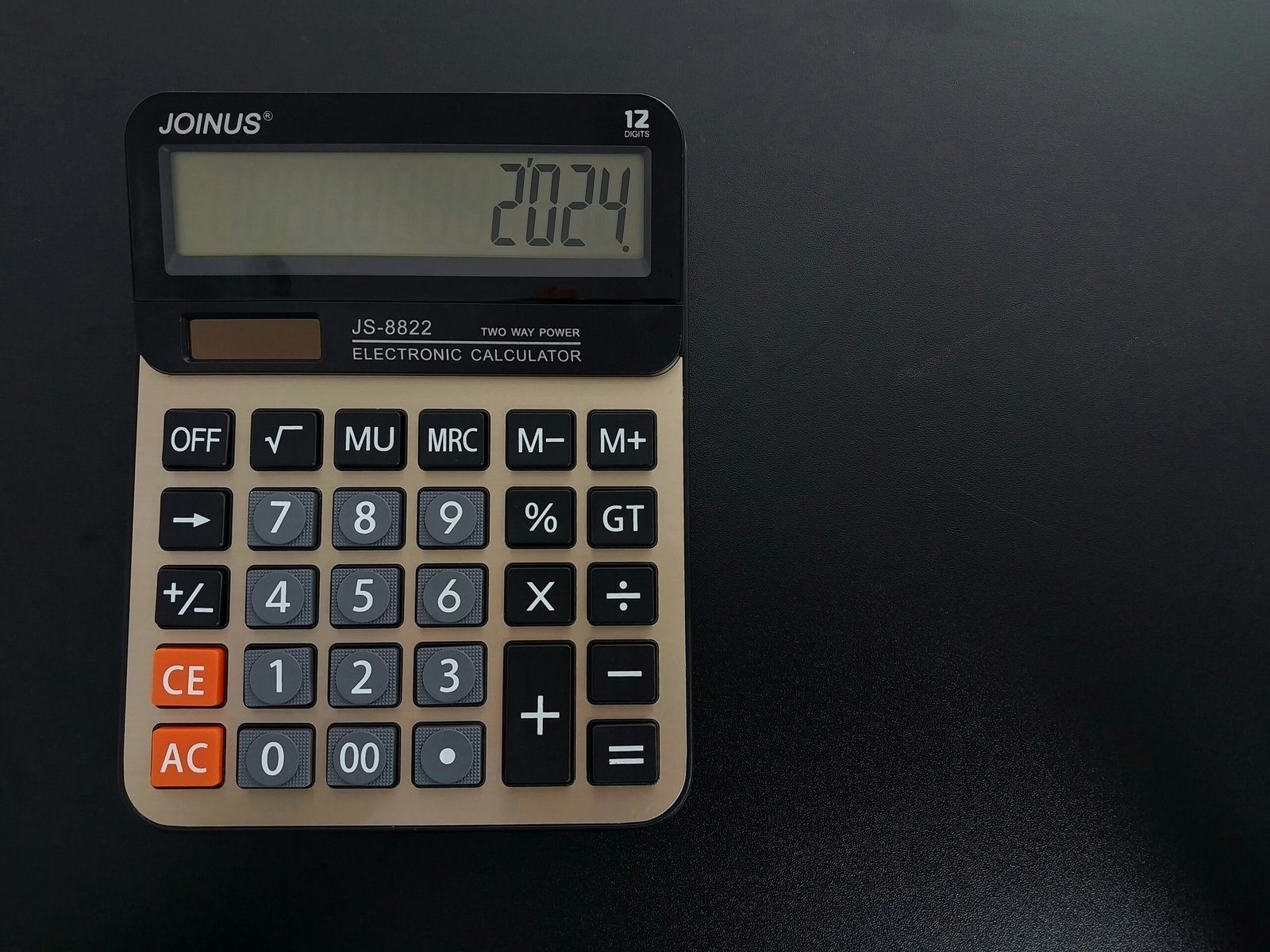
In the digital age, where precision and convenience reign supreme, the humble date calculator has evolved into a multifaceted tool. No longer confined to simply counting the days between two dates, these calculators now serve a variety of purposes, from helping us manage our schedules to offering sobering reflections on our own mortality. This evolution reflects our growing reliance on technology to manage time, a resource we perceive as both finite and fleeting.
Beyond Basic Arithmetic: The Rise of Versatile Date Calculators
Date calculators have come a long way from their basic function of subtracting one date from another. Today, these tools offer a plethora of features that cater to different needs. For instance, the Days Calculator not only calculates the number of days between two dates but also includes options for months and years, making it invaluable for planning events or understanding durations over time.
Similarly, the Date Calculator extends its functionality to include considerations for holidays and business days, providing a more nuanced view of time management. This is particularly useful for businesses and individuals who need to account for non-working days in their planning processes.
Counting Down: Anticipating the Future
In addition to calculating time that has passed, these tools are adept at forecasting future durations. The Days Left in the Year calculator, for example, offers a countdown to the year’s end, serving as a tool for goal setting and reflection.
Similarly, the Date & Time Duration Calculator provides detailed breakdowns in various time units, from years down to seconds, allowing users to plan with extraordinary precision. These features are not just limited to personal use; they have significant applications in sectors like project management and event planning.
The Philosophical Turn: Lifespan Calculators
Perhaps the most intriguing development in this space is the emergence of calculators that quantify the most existential of all timelines: our own lifespans. The Death Clock or Life Span Clock offers a provocative look at our own mortality, encouraging users to make healthier life choices in the process.
While these tools are not definitive predictors of the future, they leverage statistical data to provide estimates that can serve as a powerful reminder of the importance of time. Such tools highlight the intersection of technology with personal development, using data to inspire meaningful changes in lifestyle and mindset.
Key Takeaways
- Date calculators have expanded from simple arithmetic tools to versatile applications catering to a variety of professional and personal needs.
- These tools are increasingly used for future planning, helping individuals and businesses manage their time with greater efficiency.
- The introduction of lifespan calculators reflects a growing interest in using technology to inspire personal growth and healthier living.
Conclusion
The evolution of date calculators from basic tools to sophisticated applications reflects broader changes in how we perceive and manage time. As these calculators become more advanced, they offer not only practical solutions for time management but also philosophical insights into how we choose to live our lives. In a world where technology continues to shape our experiences, these tools remind us that while time is finite, how we use it is entirely within our control.