In the ever-evolving world of display technology, the HDMI Forum has unveiled its latest advancement: HDMI 2.2. This new standard promises to double the bandwidth of its predecessor, HDMI 2.1, effectively setting the stage for unprecedented video and audio experiences. With a bandwidth capacity of up to 96 Gbps, the HDMI 2.2 is poised to cater to the demands of future high-resolution content and complex audio-visual configurations.
Breaking Down the Specifications
The HDMI 2.2 specification introduces the Ultra96 certification, ensuring that cables can handle a bandwidth of 96 Gbps. This advancement surpasses the DisplayPort 2.1 standard by 16 Gbps, allowing for support of video resolutions up to 16K at 60Hz. Additionally, it supports 8K at 240Hz and 4K at 480Hz, making it ideal for high-end video playback and gaming experiences.
What sets HDMI 2.2 apart is not just the improvement in bandwidth but also the inclusion of the Latency Indication Protocol (LIP). This feature aims to enhance the synchronization of audio and video, particularly in setups involving multiple devices like soundbars and AV receivers, providing a more seamless entertainment experience.
Compatibility and Consumer Impact
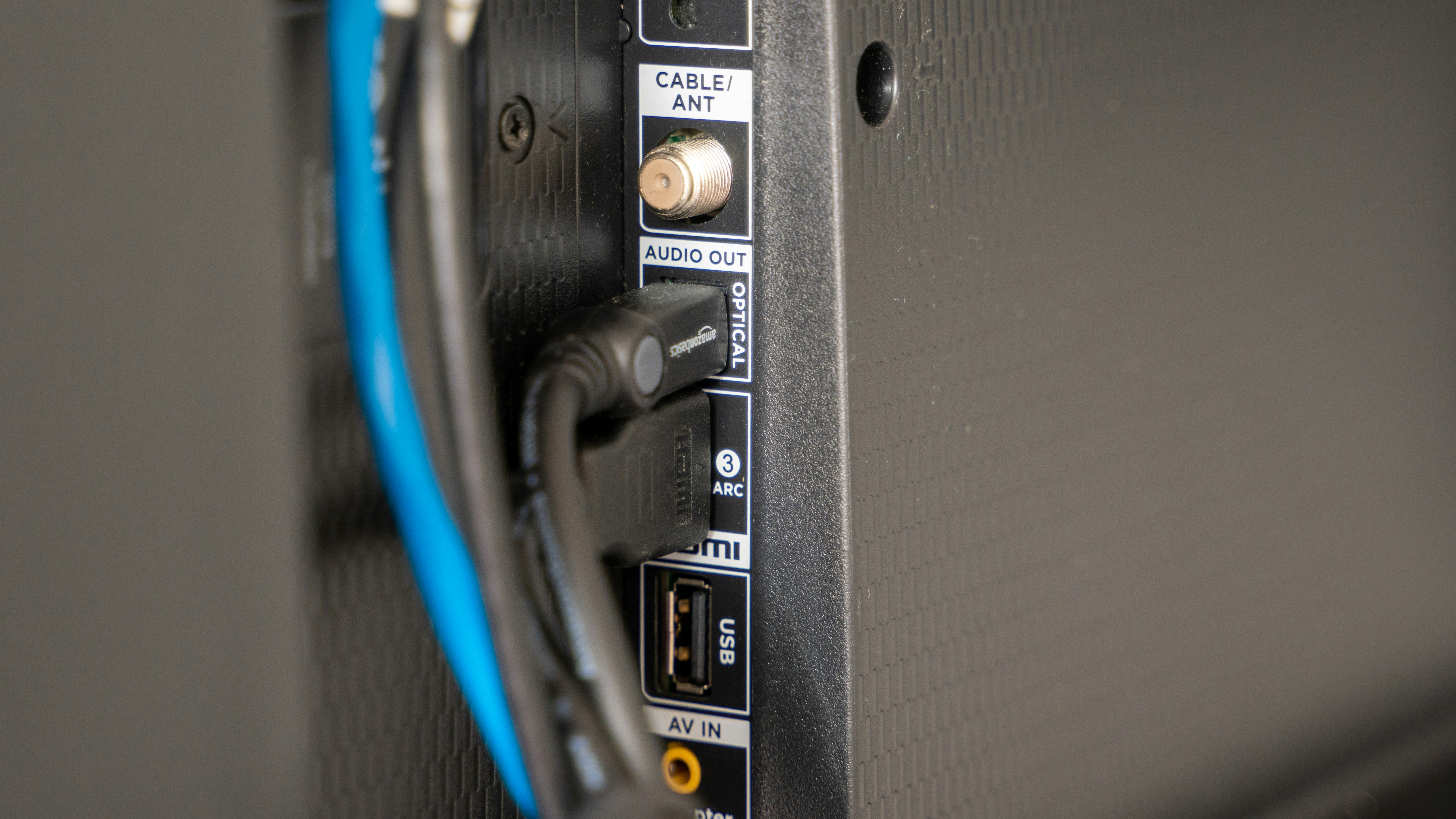
HDMI 2.2 is designed to be backward compatible, allowing the new Ultra96 cables to be used with older HDMI ports. This means consumers can gradually transition to the new standard without having to overhaul their existing setups. However, to fully utilize the 96 Gbps capability, devices and displays must also support HDMI 2.2.
As hardware manufacturers begin to roll out compatible devices, consumers can expect a gradual shift in the market towards supporting these higher specifications. While the current HDMI 2.1 remains adequate for most applications, HDMI 2.2 is likely to future-proof devices for upcoming technological advancements in video resolution and frame rate.
Industry Adoption and Future Prospects
The introduction of HDMI 2.2 is expected to spur a wave of new developments in consumer electronics. AMD has already announced plans to incorporate HDMI 2.2 in its upcoming UDNA GPUs, albeit with some bandwidth limitations. As more manufacturers adopt the new standard, consumers can expect increased availability of compatible products by the end of the year.
Looking ahead, HDMI 2.2’s capabilities are set to redefine the standards for home entertainment systems, professional displays, and gaming setups. While widespread adoption may take time, the potential for enhanced video quality and synchronization offers an exciting glimpse into the future of digital displays.
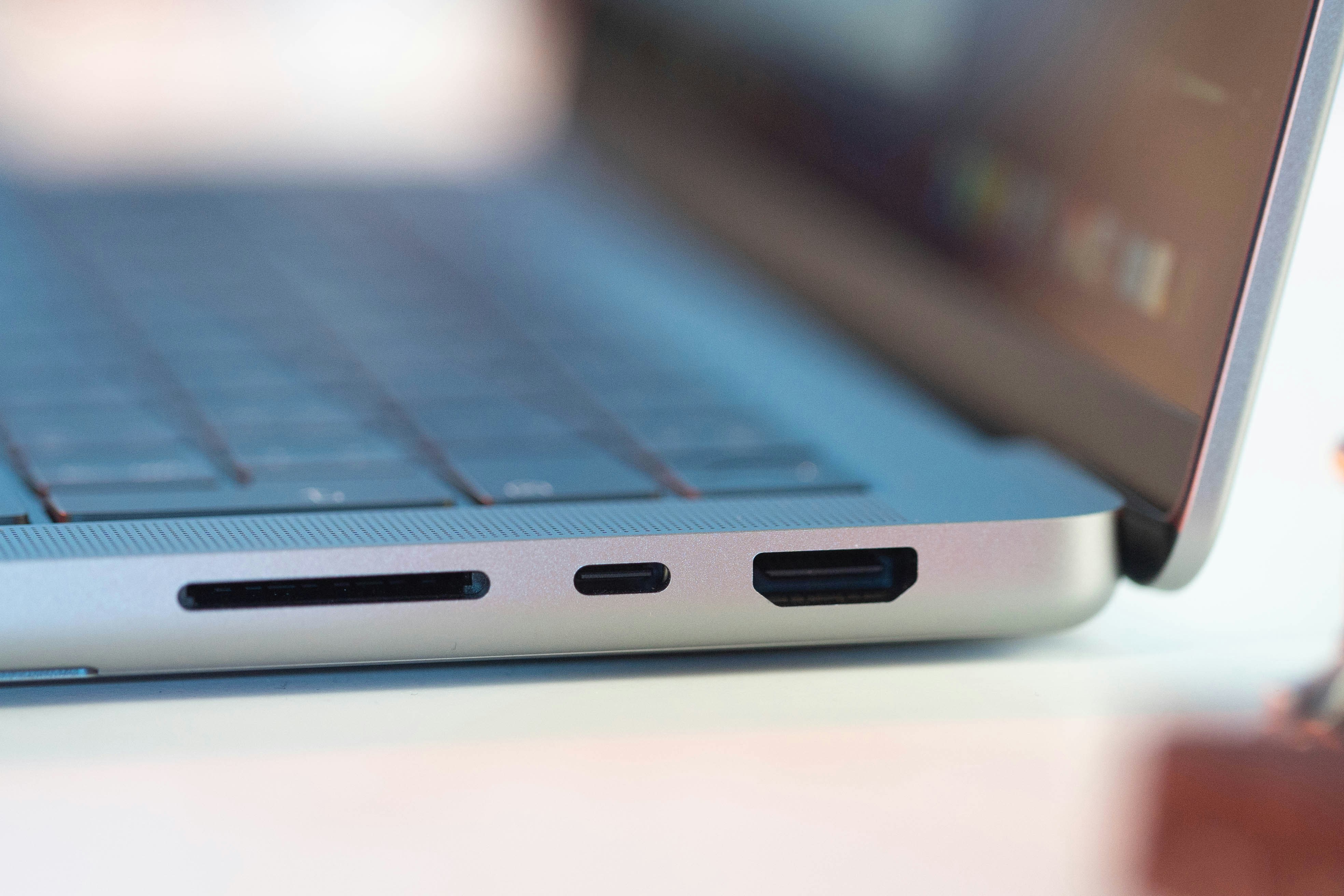
Key Takeaways
- HDMI 2.2 doubles the bandwidth of HDMI 2.1, reaching up to 96 Gbps.
- The new standard supports resolutions up to 16K at 60Hz and includes the Latency Indication Protocol for better synchronization.
- Ultra96 cables are required to leverage the full capabilities of HDMI 2.2, with backward compatibility ensuring a smooth transition for consumers.
Conclusion
As HDMI 2.2 enters the market, it brings with it a host of possibilities for enhancing the video and audio experience across multiple platforms. While immediate adoption may be gradual, the specification sets a new benchmark for what is possible in digital audio-visual technology. As manufacturers and consumers alike begin to embrace this new standard, the promise of richer, more immersive media experiences becomes a tangible reality.