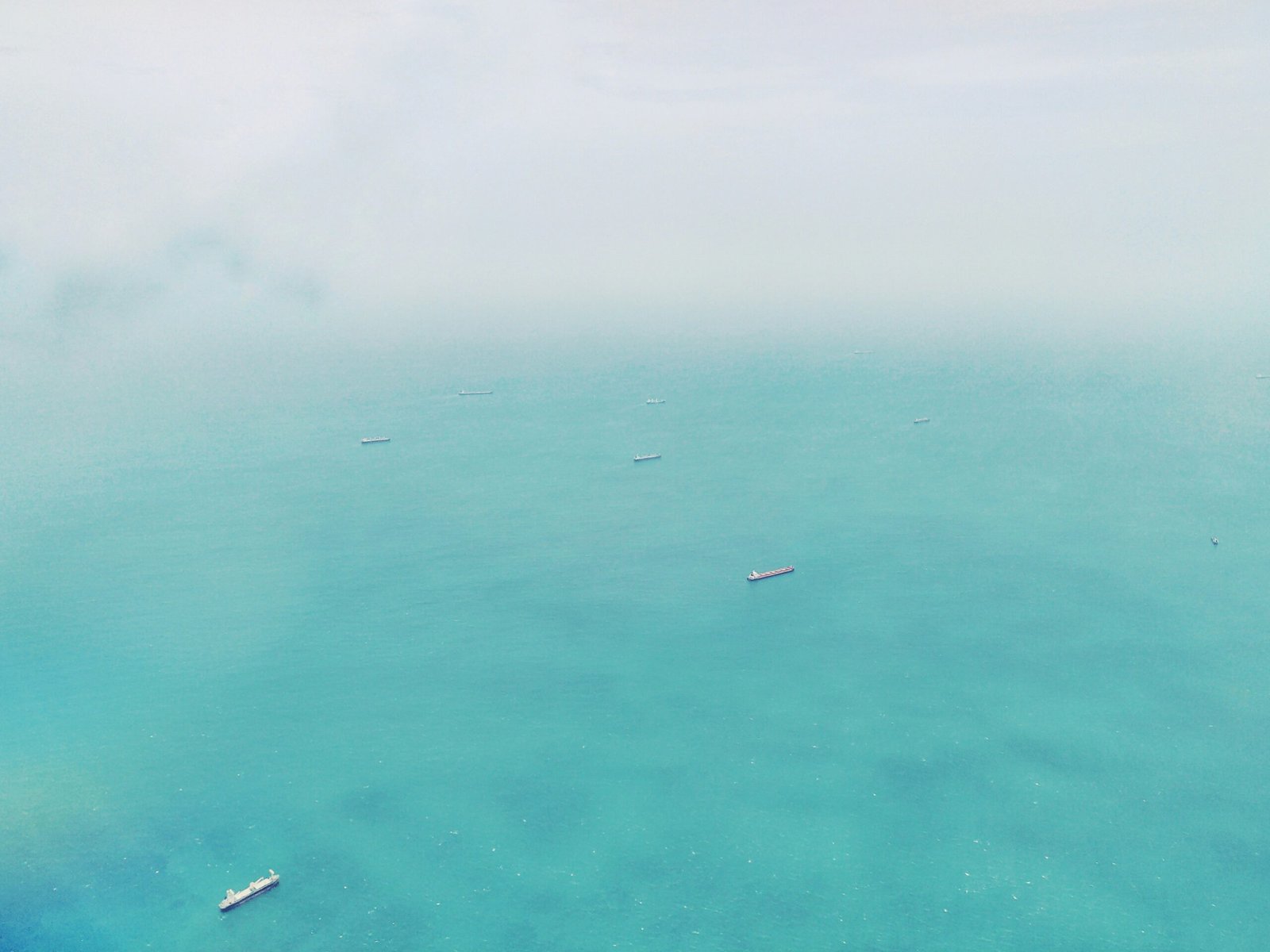
The ratification of the High Seas Treaty represents a watershed moment in global marine conservation, establishing the world’s first legally binding framework to protect biodiversity in international waters. Morocco’s ratification as the 60th nation triggered the treaty’s entry into force, creating enforceable protections for nearly two-thirds of the ocean that lies beyond any country’s jurisdiction. As marine ecosystems face unprecedented threats from overfishing, climate change, and emerging deep-sea mining operations, this landmark agreement provides critical tools to safeguard the ocean’s role as humanity’s climate regulator and biodiversity reservoir.
Two Decades in the Making: A Governance Revolution
The treaty addresses a glaring gap in international law that left 64% of the ocean’s surface—an area larger than all continents combined—without comprehensive protection. After 20 years of complex negotiations, nations have created a unified governance structure for these “areas beyond national jurisdiction,” introducing mechanisms for establishing marine protected areas, conducting environmental impact assessments, and sharing marine genetic resources. This framework transforms how the international community approaches ocean stewardship, moving from fragmented sector-by-sector management to holistic ecosystem protection.
The Enforcement Challenge: Missing Maritime Powers
Despite this diplomatic breakthrough, significant implementation hurdles loom. Notably absent from the ratification list are maritime superpowers including the United States, China, Russia, and Japan—nations whose fishing fleets, shipping routes, and resource extraction activities heavily impact international waters. Their non-participation creates potential enforcement gaps and raises questions about the treaty’s practical effectiveness. However, the agreement’s conference of parties mechanism offers a pathway for ongoing diplomatic engagement, potentially drawing these crucial players into the framework over time.
“The high seas don’t belong to anyone. What exists there is everyone’s,” noted Julio Cordano, highlighting the collective responsibility in managing these waters.
Julio Cordano, Chilean Official
Ambitious Targets Meet Practical Implementation
The treaty operationalizes the global “30×30” initiative, mandating protection of 30% of international waters by 2030—a target scientists consider essential for maintaining ocean health and climate stability. Beyond conservation zones, the agreement establishes groundbreaking provisions for equitable benefit-sharing from marine genetic resources, ensuring developing nations can access both the scientific knowledge and economic opportunities derived from high seas biodiversity. Technology transfer requirements and capacity-building commitments aim to level the playing field, preventing wealthy nations from monopolizing oceanic resources.
Key Takeaways
- The High Seas Treaty creates the first comprehensive legal framework for protecting international waters, covering 64% of the ocean’s surface previously without unified governance.
- While 60 ratifications enable enforcement, the absence of major maritime nations including the US, China, Russia, and Japan poses significant implementation challenges.
- The treaty mandates protecting 30% of international waters by 2030 while establishing unprecedented mechanisms for equitable sharing of marine genetic resources and scientific benefits.
Charting the Course Forward
The High Seas Treaty’s entry into force marks the beginning, not the end, of a complex implementation journey. Success will require sustained diplomatic engagement to bring major maritime powers into the fold, robust funding mechanisms to support developing nation participation, and innovative enforcement strategies for vast, remote ocean areas. Yet this agreement demonstrates that even in an era of geopolitical fragmentation, the shared threat to our global commons can still unite nations around ambitious environmental action. The treaty’s ultimate legacy will depend on whether the international community can translate these legal commitments into measurable protection for the ocean systems that sustain all life on Earth.