For the first time in recorded history, mosquitoes have been discovered in Iceland—a country that has long served as one of the world’s few mosquito-free sanctuaries due to its harsh Arctic climate. This unprecedented finding has ignited scientific discussions about climate change’s accelerating impact on ecosystems previously considered too hostile for such species to survive.
A Historic First: Iceland’s Mosquito Discovery
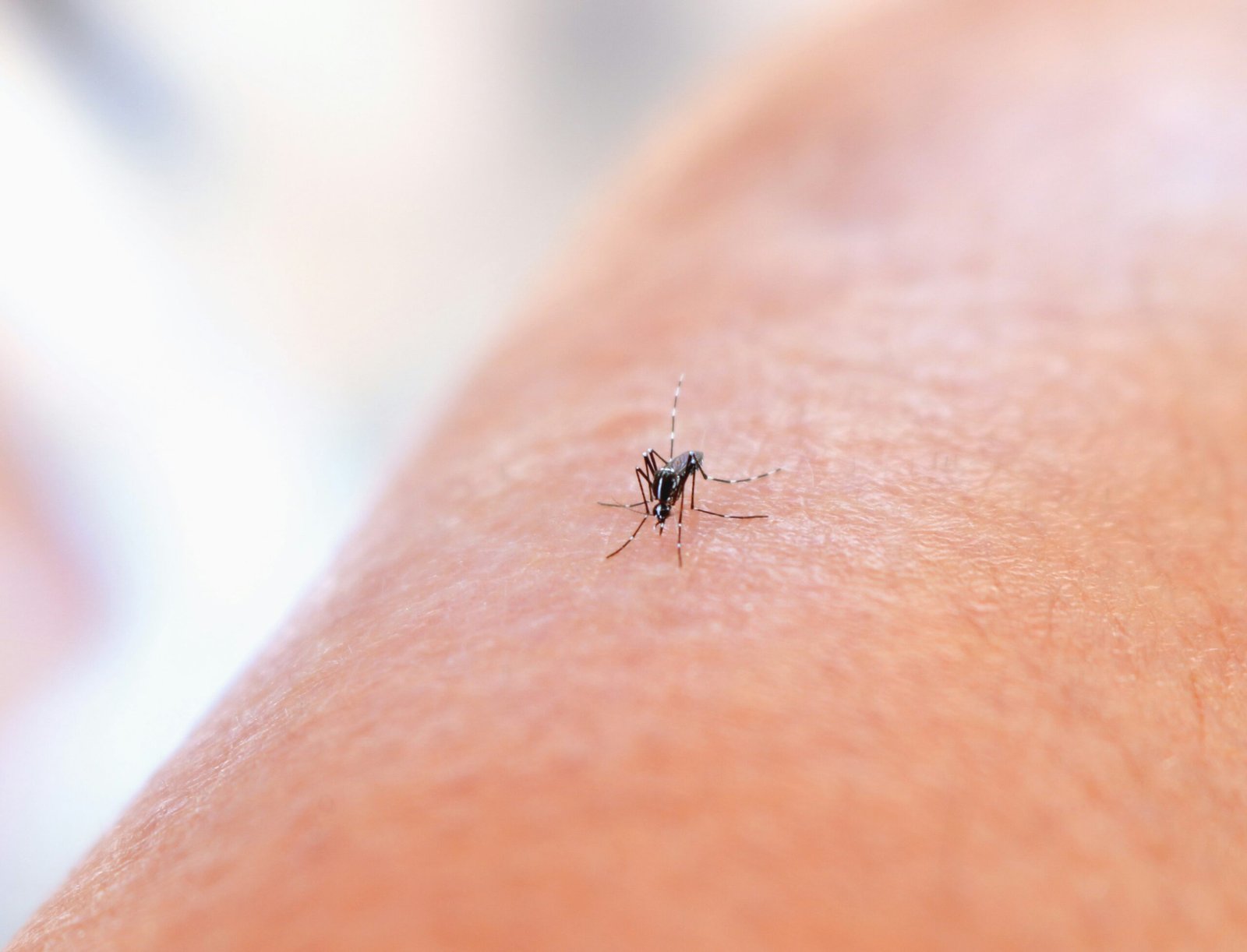
The mosquitoes were identified as Culiseta annulata, a cold-hardy species known for its exceptional tolerance to low temperatures. Björn Hjaltason, an amateur entomologist, made the groundbreaking discovery in his garden in Kjós, just outside Reykjavík. The Natural Science Institute of Iceland subsequently confirmed the identification, officially documenting the country’s first natural occurrence of mosquitoes—a milestone that scientists never expected to record.
Climate Change Creates New Opportunities
Iceland experienced record-breaking temperatures this year, driven by Arctic amplification—a phenomenon where polar regions warm at rates up to four times faster than the global average. These unprecedented conditions have fundamentally altered Iceland’s microclimate, creating survival opportunities for species that would have perished in previous decades. The sustained warmth appears to have provided the critical threshold needed for mosquito populations to establish and potentially overwinter successfully.
“Warming temperatures are likely to enhance the potential for other mosquito species to establish in Iceland, if they arrive,” said entomologist Matthías Alfreðsson.
Ecological and Public Health Implications
While Culiseta annulata poses minimal direct health risks—it’s not a significant disease vector—its establishment could trigger cascading ecological disruptions. Native bird species, spiders, and other predators may face new prey dynamics, while the mosquitoes themselves could compete with indigenous insects for resources. More concerning is the precedent this sets: if one mosquito species can now survive Iceland’s climate, others may follow, potentially including disease-carrying varieties that transmit dengue, malaria, or West Nile virus.
A Canary in the Climate Coal Mine
Iceland’s mosquito colonization represents more than an isolated biological curiosity—it’s a stark indicator of how rapidly climate change is redrawing the world’s ecological boundaries. As global temperatures continue rising, similar range expansions are occurring worldwide, with species migrating poleward and to higher elevations at unprecedented rates. These shifts challenge existing conservation strategies and public health preparedness, particularly in regions like Iceland that have historically been protected by natural climate barriers.
Conclusion
The arrival of mosquitoes in Iceland serves as a powerful reminder that climate change’s effects extend far beyond rising sea levels and extreme weather events. When even the world’s most isolated and climatically protected regions can no longer maintain their biological boundaries, it underscores both the urgency of climate action and the need for adaptive strategies to manage the ecological transformations already underway.