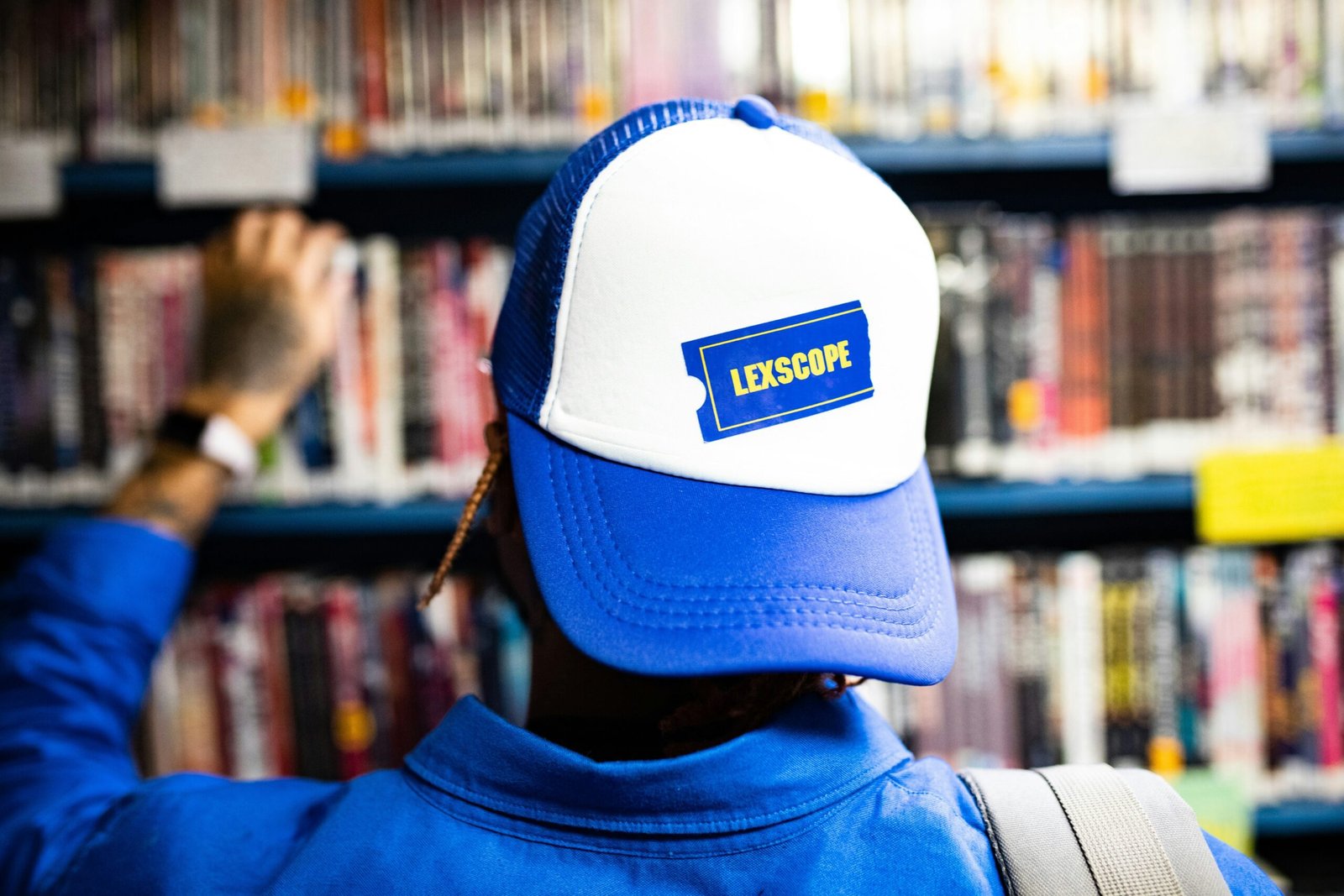
In an era where digital streaming was supposed to deliver the final blow to physical media, video rentals are staging an unlikely comeback. The twist? Public libraries have emerged as the unexpected champions of this revival, transforming from quiet repositories of books into bustling hubs of DVD, Blu-ray, and video game circulation. As traditional video stores vanished from strip malls across America, libraries quietly stepped into the void, becoming the new neighborhood Blockbuster.
Libraries: The Unexpected Heirs to Video Rental Culture
Public libraries have evolved far beyond their traditional role, emerging as the primary destination for physical media rentals. While streaming services fragment content across multiple platforms—each demanding separate subscriptions—libraries offer a compelling alternative: free access to extensive collections of films, documentaries, and television series that often aren’t available on any streaming service.
This transformation extends beyond simple media lending. Libraries are strategically expanding their audiovisual collections to include video games, educational content, and rare or independent films that streaming algorithms rarely surface. The result is a curated experience that combines the discovery element of old-school video browsing with the community-centered mission that libraries have always embodied. For younger patrons who never experienced the ritual of Friday night video store visits, libraries provide their first taste of physical media exploration.
Bend’s Blockbuster: A Cultural Time Capsule
The world’s last remaining Blockbuster, nestled in Bend, Oregon, has transcended its commercial origins to become something more significant: a living museum of rental culture. This singular store attracts visitors from around the globe, drawn not just by nostalgia but by the unique curation that physical stores once provided.
What keeps this Blockbuster viable isn’t just its novelty status. The store maintains a carefully selected inventory of titles—many unavailable on streaming platforms due to licensing restrictions or simply because they’ve been forgotten by digital distributors. This curation advantage, once the hallmark of knowledgeable video store clerks, now serves as a reminder of what we lost when algorithms replaced human recommendation.
The Deeper Appeal of Physical Media
The resurgence of interest in physical media reflects more than mere nostalgia—it represents a pushback against the ephemeral nature of digital content. Streaming libraries constantly shift as licensing deals expire, leaving viewers unable to revisit favorite films or complete series they’ve started. Physical media offers permanence and ownership in an age of digital rental.
Moreover, the tactile experience of browsing physical collections encourages serendipitous discovery in ways that algorithmic recommendations cannot replicate. The act of reading DVD cases, examining cover art, and stumbling upon unexpected titles creates a fundamentally different relationship with media consumption—one that prioritizes exploration over efficiency.
The Future of Physical Media Access
The renaissance of video rentals through libraries and surviving independent stores signals a broader cultural shift toward valuing physical ownership and community-centered media access. Libraries are responding by treating their media collections as seriously as their book acquisitions, often maintaining newer releases and comprehensive back catalogs that rival what commercial stores once offered.
This evolution suggests that physical media’s future lies not in commercial retail but in public institutions and specialized venues that prioritize access over profit. As streaming costs continue to rise and content becomes increasingly fragmented across platforms, libraries provide a democratic alternative that serves their communities’ diverse viewing interests without the barriers of subscription fees or geographic restrictions.