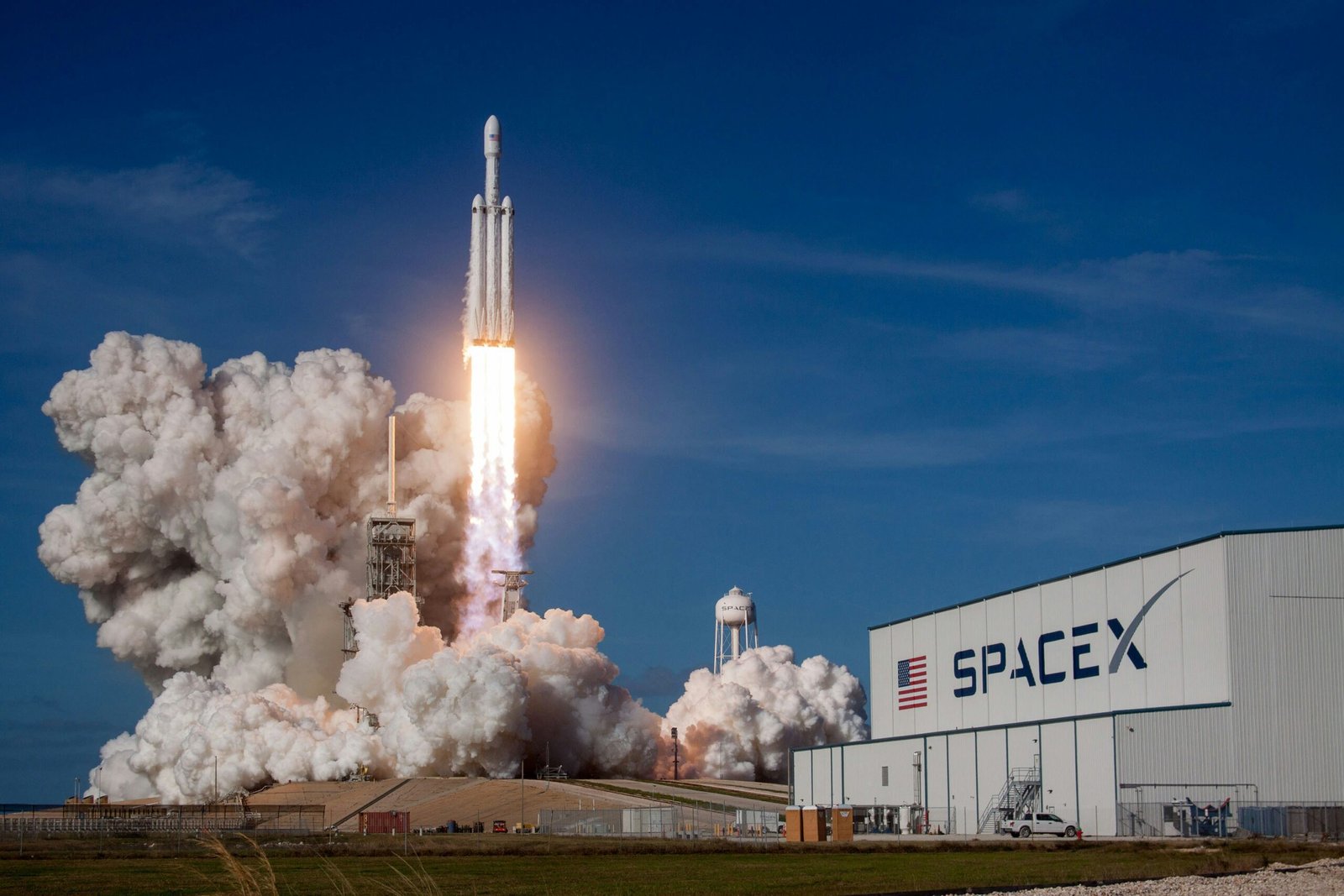
NASA’s ambitious Artemis program to return humans to the Moon faces mounting pressure as SpaceX’s Starship development encounters delays while China accelerates its own lunar ambitions. With the race to the resource-rich lunar south pole intensifying, NASA is scrambling to develop backup plans that could determine America’s future in space exploration.
NASA Casts a Wider Net for Lunar Landing Solutions
In a significant strategic shift, NASA has begun soliciting alternative lunar landing proposals from across the commercial space industry. This pivot reflects growing concerns about SpaceX’s ability to deliver a flight-ready Starship system within Artemis III’s compressed timeline. The agency is now actively courting other major players, including Blue Origin, to develop competing lunar lander technologies that could serve as viable alternatives.
Despite SpaceX’s impressive track record of 11 suborbital Starship test flights and continued technical progress, the complex engineering challenges of creating a fully operational lunar landing system have proven more time-consuming than initially projected. The mounting pressure to outpace China’s announced 2030 lunar landing target has forced NASA to hedge its bets rather than rely solely on SpaceX’s ambitious but unproven vehicle.
Why the Lunar South Pole Matters
The stakes extend far beyond scientific achievement. The lunar south pole represents a strategic prize in the emerging space economy, harboring vast ice deposits that could be converted into rocket fuel and drinking water for future missions. The region’s unique geography also offers near-continuous sunlight for solar power generation, making it ideal for establishing permanent lunar bases.
NASA leadership has explicitly framed lunar south pole access as a national security imperative, recognizing that whichever nation establishes the first sustainable presence there will likely control future lunar resource extraction and deep space exploration capabilities.
Innovation Under Pressure: Balancing Risk and Reward
NASA’s willingness to potentially diversify beyond its current partnerships highlights the delicate balance between technological ambition and mission assurance. While SpaceX’s Starship promises revolutionary capabilities—including the ability to transport large crews and massive cargo loads—its developmental complexity introduces significant schedule risks that NASA can no longer ignore.
This competitive pressure may ultimately benefit the broader aerospace industry by spurring multiple companies to accelerate their lunar capabilities, creating a more robust and resilient foundation for America’s long-term space objectives.
Key Takeaways
- NASA is actively soliciting backup lunar landing solutions amid SpaceX Starship development delays
- The lunar south pole’s ice deposits and solar resources make it a strategic target for sustained human presence
- Competition with China’s 2030 lunar timeline is driving NASA’s urgency to secure alternative mission architectures
The Path Forward
NASA’s current dilemma encapsulates the high-stakes nature of 21st-century space exploration, where technological innovation intersects with geopolitical competition and national security priorities. The agency’s decision to pursue multiple lunar landing options—rather than betting everything on a single provider—may prove prescient if it ensures America maintains its leadership in space while fostering a competitive commercial ecosystem.
The next 18 months will be critical in determining whether NASA’s backup planning pays off or whether the agency’s hedged approach dilutes focus from its primary objectives. Either way, the outcome will reshape both America’s space capabilities and the international balance of power beyond Earth’s orbit.