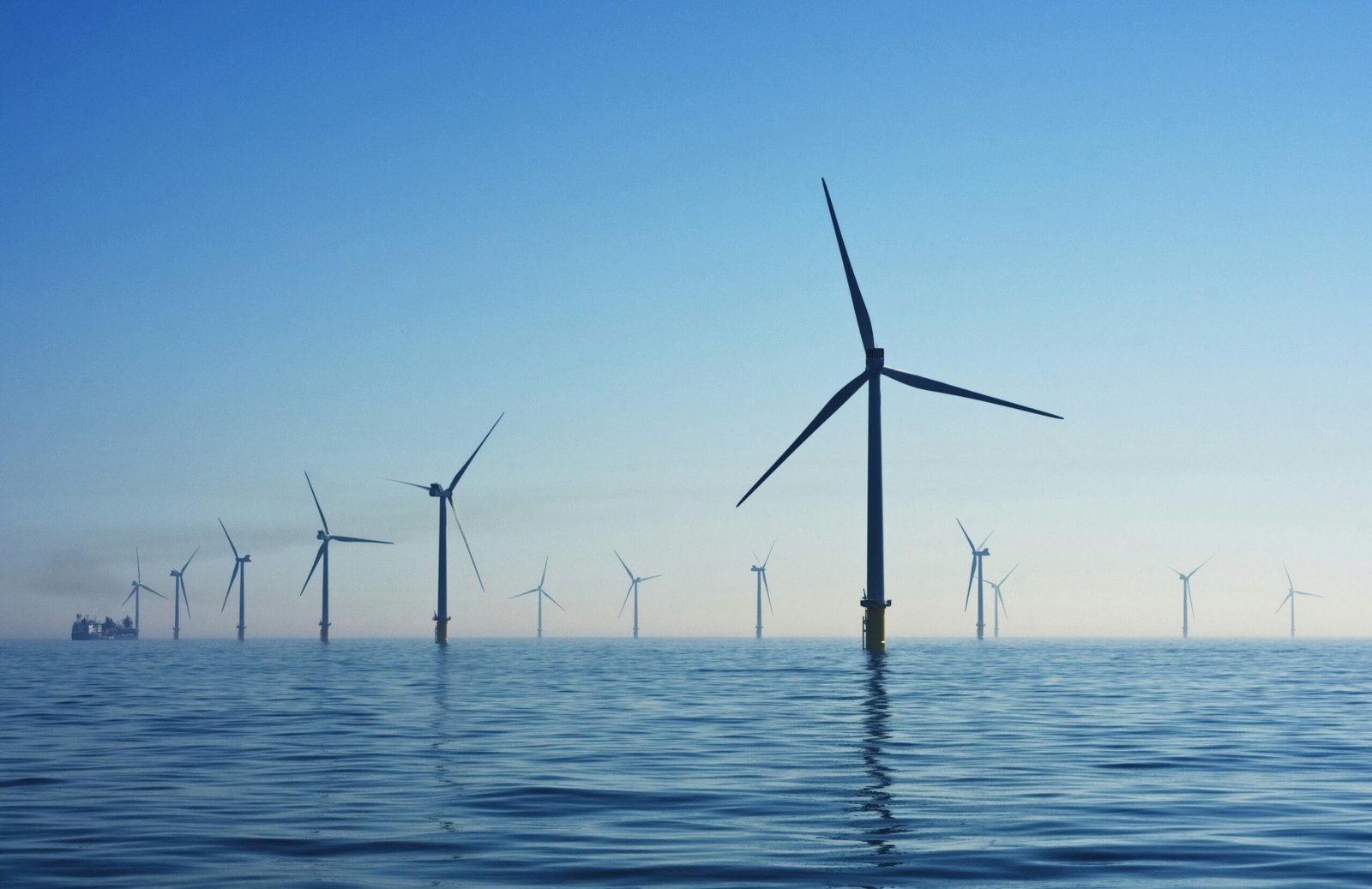
The offshore wind industry finds itself at a crossroads in the United States, as legal battles and government interventions create a complex landscape for energy developers. Recent developments have highlighted the dynamic and often contentious nature of this burgeoning sector. As the world eyes renewable energy as a key solution to climate challenges, the fate of offshore wind projects in the U.S. hangs in the balance.
Legal Wins Amidst Government Roadblocks
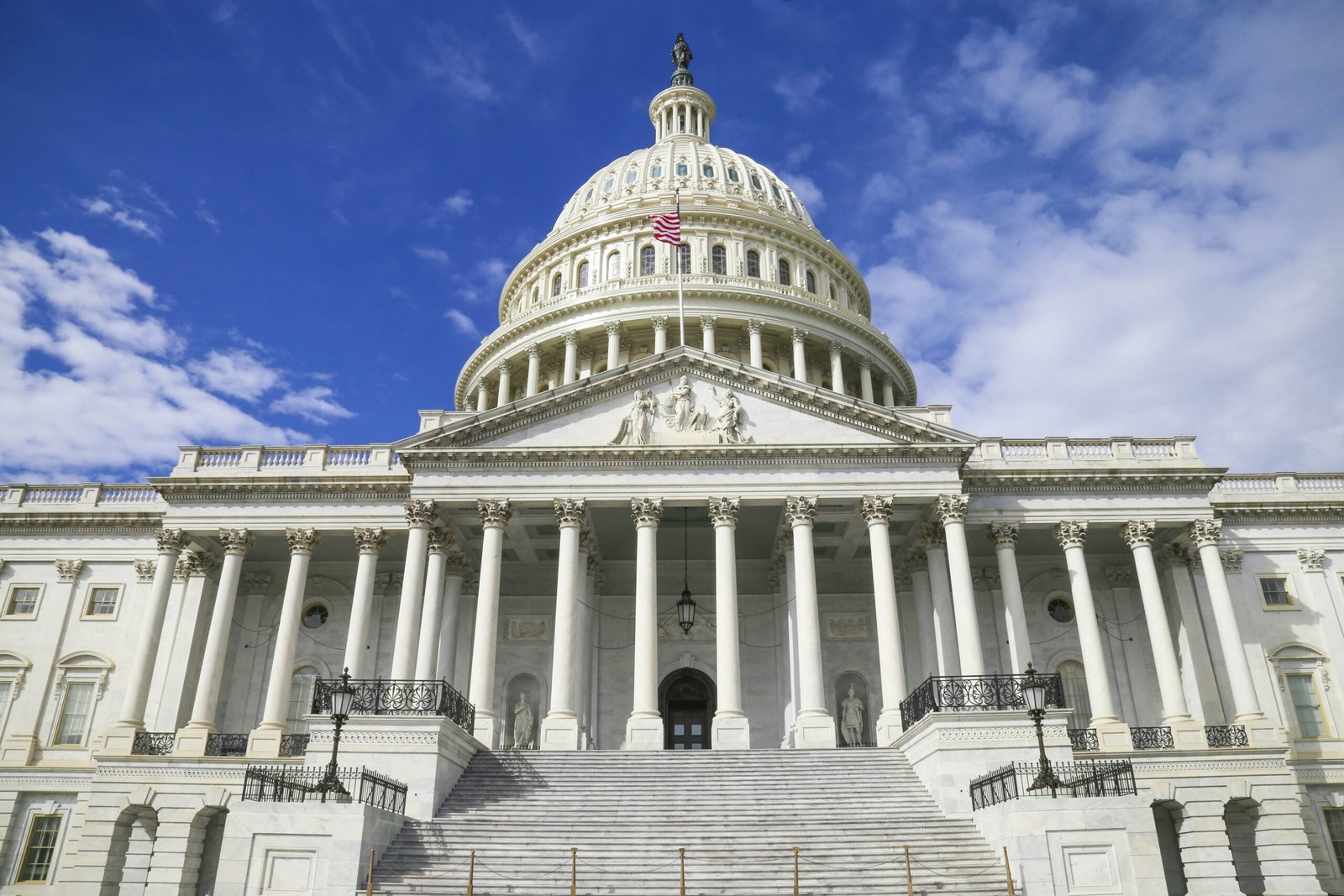
In a significant victory for the offshore wind industry, two major projects have successfully secured court injunctions allowing them to proceed. Dominion Energy’s project in Virginia and Revolution Wind, serving Rhode Island and Connecticut, have been cleared to resume construction following federal rulings. This comes after the Department of the Interior had previously placed a halt on these and other projects, citing national security concerns based on classified information from the Department of Defense.
Vineyard Wind’s Legal Challenge
Joining the fray is Vineyard Wind 1, which has also sought judicial relief from a federal stop-work order. The ongoing legal tussles underscore the challenges faced by the industry, as developers contest the government’s rationale and seek to protect their investments. The suspension of offshore projects has been linked to concerns over radar interference and unspecified advancements in adversary technologies, which are yet to be disclosed due to their classified nature.
Global Perspectives: The UK’s Wind Ambitions
While U.S. projects grapple with regulatory hurdles, the United Kingdom is forging ahead with its wind energy ambitions. Welsh wind farms have recently secured funding anticipated to create thousands of jobs, with plans to establish the Celtic Sea as a hub for floating offshore wind technology. This contrasts sharply with the situation in the U.S., where projects are stalled despite being well into their construction phases.
Implications for the Future
The U.S. government’s stance on offshore wind has introduced uncertainty into the sector, with potential implications for climate targets and economic growth. Massachusetts, for instance, heavily relies on these projects to meet its climate goals. The current administration’s policies could delay the state’s progress toward reducing greenhouse gas emissions and achieving net-zero status by 2050.
Key Takeaways
- Recent court rulings have allowed stalled offshore wind projects in the U.S. to resume, but challenges remain.
- National security concerns, though unspecified, have been pivotal in government decisions to halt projects.
- In contrast, the UK is advancing its offshore wind initiatives, highlighting a potential divergence in global renewable strategies.
Conclusion
The offshore wind industry is at a pivotal moment. While legal victories provide a glimmer of hope for U.S. developers, the broader implications of government intervention and national security concerns continue to loom large. As the world transitions to sustainable energy sources, the U.S. must navigate these challenges carefully to ensure it remains competitive in the global energy landscape.