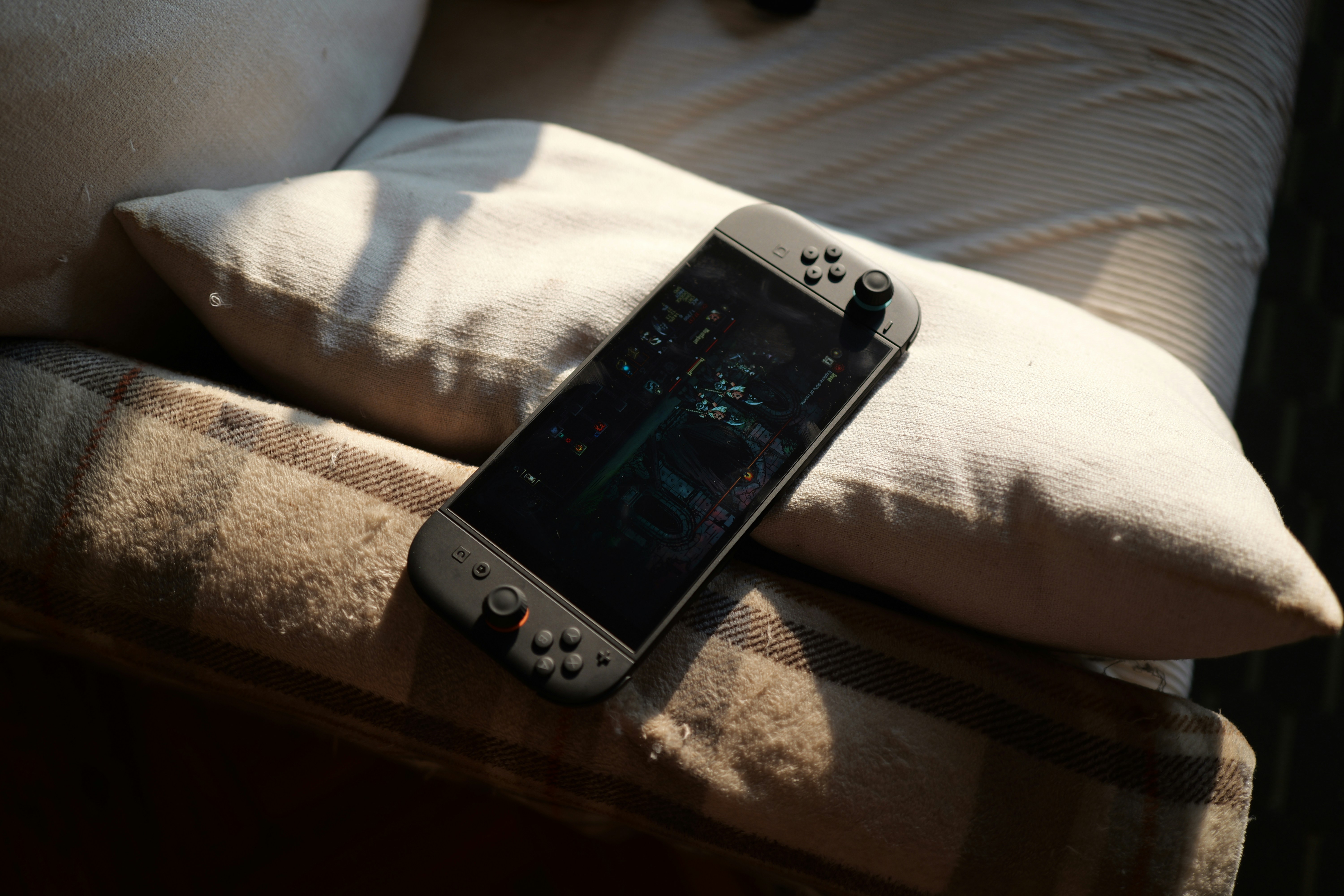
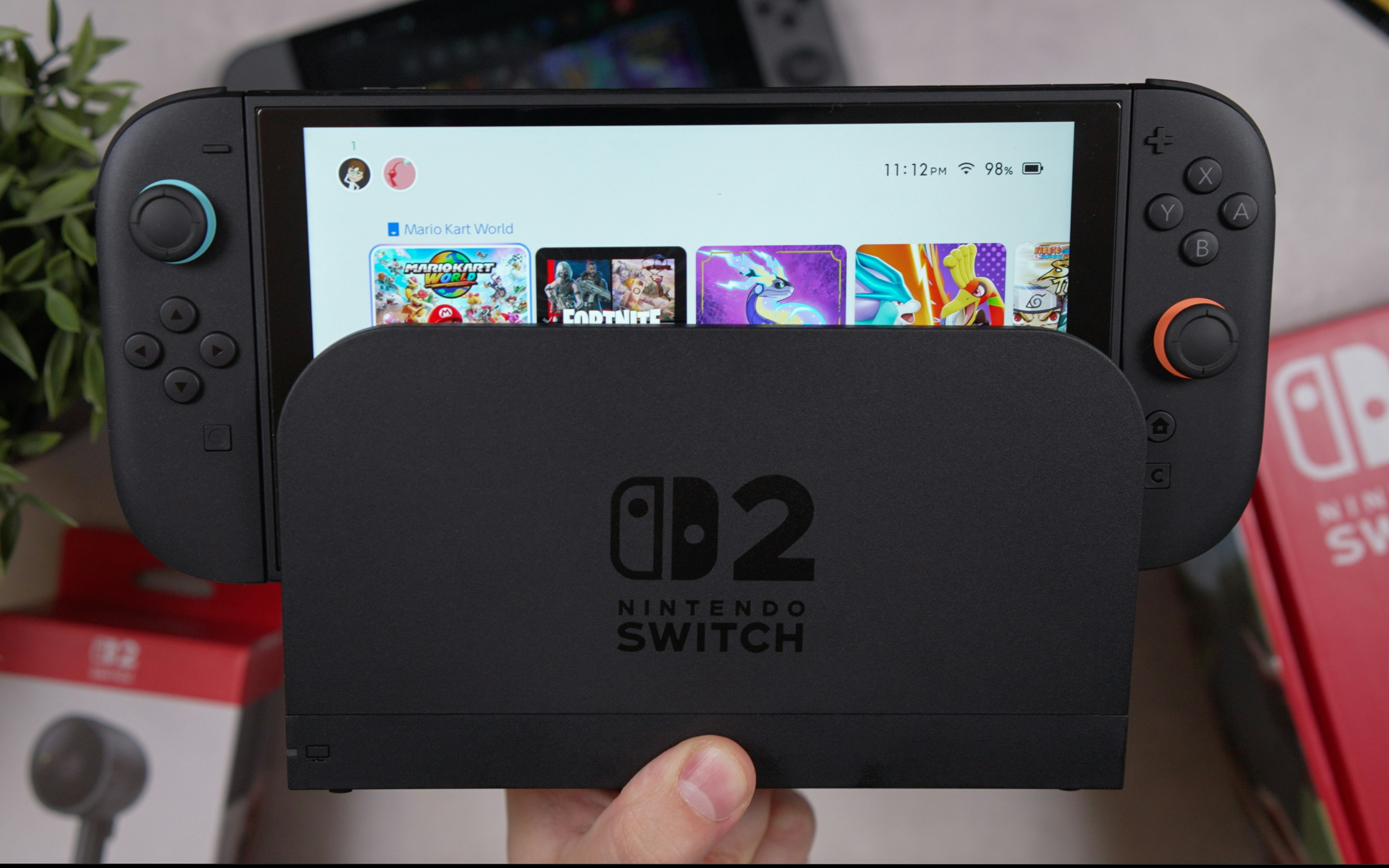
Nintendo’s recent actions have stirred a significant conversation within the gaming community, as the company flexes its ability to ban consoles over second-hand game use. A Switch 2 owner recently faced a ban after using pre-owned Switch 1 games, raising questions about consumer rights and the future of second-hand gaming.
The controversy began when a Switch 2 owner, identified online as dmanthey, found their console banned after buying used games from an online marketplace. The games, originally for the Switch 1, triggered Nintendo’s security measures when they were updated on the new console, leading to a ban due to suspected piracy.
Nintendo’s Anti-Piracy Measures
Nintendo’s crackdown is part of its broader strategy to protect its intellectual property. The company is known for its stringent policies against piracy, which include banning consoles that use unauthorized game copies. The bans, while protecting Nintendo’s interests, have sparked debates about consumer rights, especially when innocent buyers are caught in the crossfire.
Consumer Backlash and Legal Challenges
While Nintendo provides a resolution path for those unjustly banned, the process highlights a significant issue: the potential for consumers to be penalized for unknowingly purchasing pirated games. This has led to legal challenges, such as the one in Brazil, where a consumer rights watchdog argues that Nintendo’s policy of bricking consoles violates user rights. The case underscores the tension between corporate anti-piracy measures and consumer protection.
Implications for the Second-Hand Market
The ban on second-hand games raises broader concerns about the future of physical game sales. With digital downloads on the rise, physical copies remain crucial for many due to their affordability. However, if strict anti-piracy measures continue to blur the lines between legitimate second-hand sales and piracy, it could deter consumers from purchasing used games, affecting the market’s viability.
Key Takeaways
- Nintendo’s strict anti-piracy measures can result in console bans, even for innocent buyers.
- Legal challenges emphasize the need for balance between protecting intellectual property and consumer rights.
- The controversy may impact the future of the second-hand game market, pushing more consumers towards digital purchases.
Conclusion
As Nintendo navigates the complex landscape of game piracy and consumer rights, the gaming community watches closely. This situation serves as a reminder of the challenges companies face in protecting their products while maintaining consumer trust. How Nintendo responds could set a precedent for how other companies handle similar issues, shaping the future of gaming commerce.