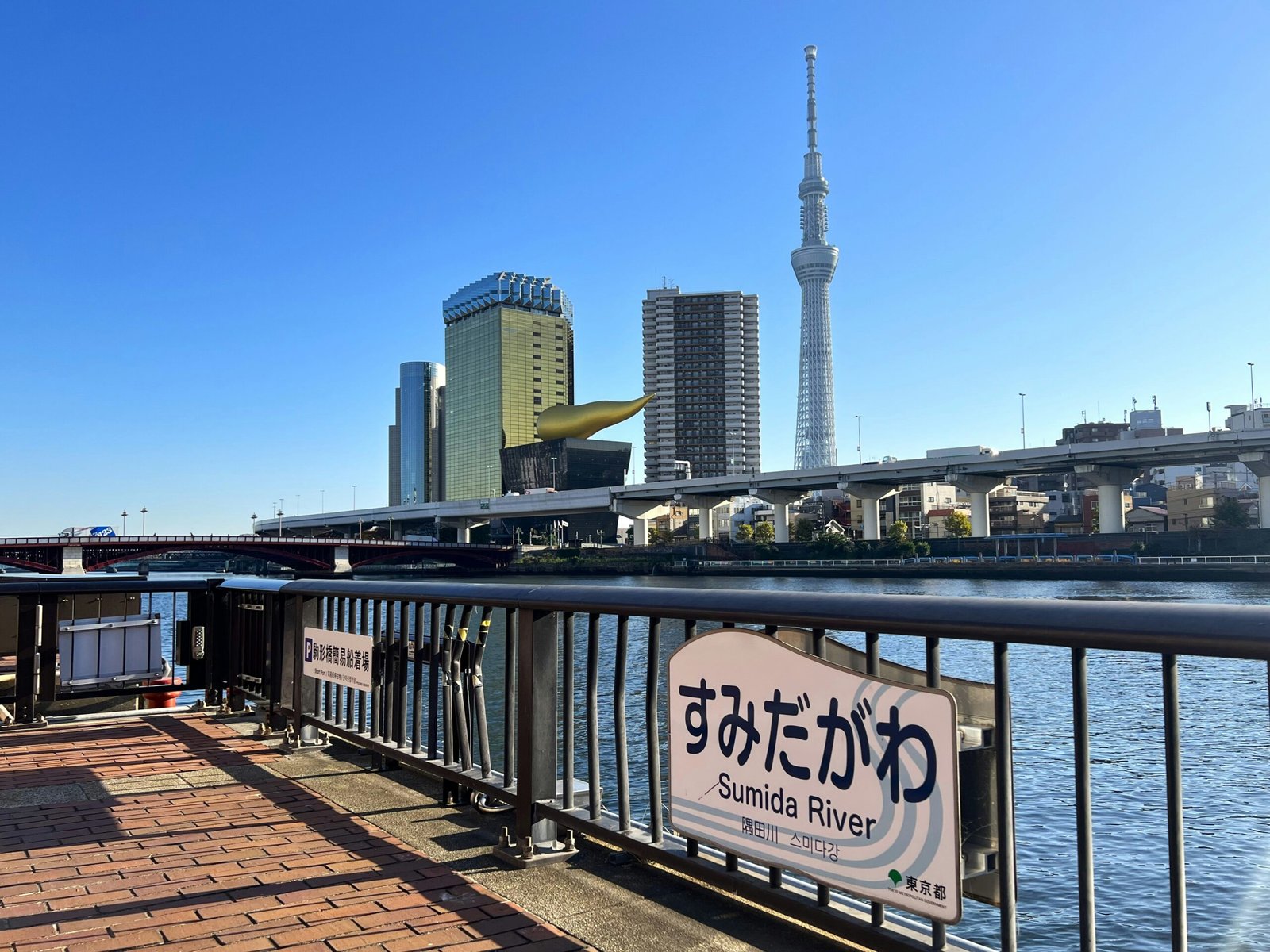
Japan faces an unexpected beer shortage as a ransomware attack cripples Asahi Group Holdings, forcing the closure of most of its 30 breweries and leaving retailers scrambling to stock the nation’s beloved Asahi Super Dry. The cyberattack has paralyzed the company’s ordering and delivery systems, creating supply chain disruptions that highlight Japan’s growing cybersecurity vulnerabilities at a time when the country is already grappling with severe demographic challenges.
The Brewing Crisis: A Cybersecurity Wake-Up Call
The Asahi ransomware attack exposes critical weaknesses in Japan’s corporate cybersecurity infrastructure. This incident represents more than an isolated brewery problem—it reflects a troubling pattern of successful cyberattacks targeting Japanese companies, many of which maintain outdated security protocols and insufficient incident response capabilities.
Security researchers have consistently identified Japan as a high-value target for cybercriminals, citing the country’s rapid digitization without corresponding security investments. The economic ripple effects extend far beyond beer production, as similar attacks could devastate Japan’s interconnected manufacturing and logistics networks. Recent government cybersecurity legislation, while promising on paper, now faces its first major real-world stress test.
Population Decline: A Compounding Factor
Japan’s demographic crisis amplifies the impact of cyber disruptions like the Asahi attack. With the population declining by a record 837,000 people last year—the steepest drop since data collection began—the shrinking workforce lacks the redundancy needed to quickly recover from operational shutdowns. Fewer workers means longer recovery times and reduced capacity to implement robust cybersecurity measures across industries.
This demographic reality creates a dangerous feedback loop: as the workforce contracts, companies become more dependent on automated systems and digital infrastructure, yet they have fewer skilled personnel to secure and maintain these critical technologies. The combination of technological vulnerability and human resource constraints poses unprecedented challenges for Japan’s economic resilience.
Implications for the Future
The Asahi incident serves as a critical inflection point, demonstrating how cybersecurity failures can cascade through Japan’s increasingly fragile economic ecosystem. Companies must urgently modernize their security infrastructure and develop comprehensive incident response protocols, while the government needs to accelerate cybersecurity workforce development programs to address the skills shortage.
Japan’s path forward requires coordinated action across multiple fronts: strengthening cyber defenses, addressing demographic decline through immigration and automation policies, and building economic resilience that can withstand both digital and demographic shocks. The nation’s ability to protect cultural touchstones like Asahi Super Dry may ultimately depend on how effectively it addresses these interconnected challenges in the coming years.