Russian cosmonaut Oleg Artemyev has been removed from SpaceX’s upcoming Crew-12 mission to the International Space Station following alleged violations of U.S. national security protocols. The unprecedented incident has sent shockwaves through the space community and threatens to destabilize already fragile international space partnerships at a critical juncture for global cooperation.
Security Breach Allegations Surface
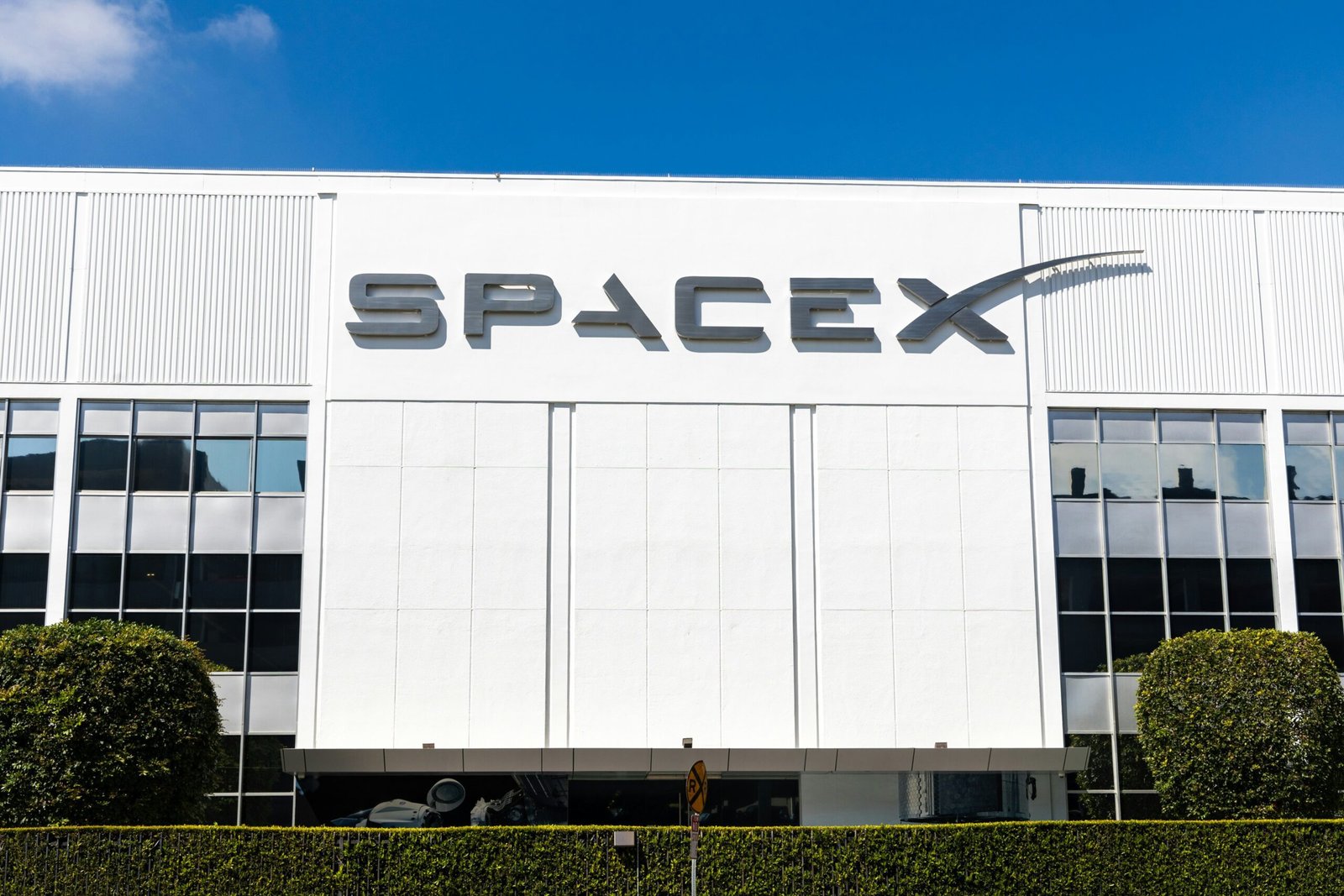
The charges against Artemyev are serious and specific. Intelligence sources indicate that during training at SpaceX’s Hawthorne facility, the veteran cosmonaut allegedly photographed classified materials, including proprietary Raptor engine schematics and sensitive mission documentation. These actions constitute potential violations of the International Traffic in Arms Regulations (ITAR), stringent U.S. laws governing the protection of defense-related technologies.
Space industry analyst Georgy Trishkin confirmed that a multi-agency investigation is currently underway. The abrupt removal of Artemyev—a highly experienced astronaut with over 560 days in space across multiple missions—signals the severity of the allegations. While Roscosmos has quietly replaced him with Andrei Fedyayev, the Russian space agency has provided only vague explanations, officially citing a routine “job transfer” without addressing the underlying security concerns.
Timing Compounds Diplomatic Fallout
The incident strikes at a particularly vulnerable moment for Russia’s space program. Recent catastrophic failures, including the destruction of critical launch infrastructure during a Soyuz mission, have effectively grounded Roscosmos’s independent ISS operations. This technical crisis has made Russia increasingly dependent on NASA and SpaceX partnerships—precisely when diplomatic tensions are escalating.
Space cooperation has historically served as a rare bridge between Russia and Western nations, surviving even the darkest periods of geopolitical conflict. The Apollo-Soyuz Test Project in 1975 and decades of ISS collaboration demonstrate space’s unique capacity to transcend earthbound politics. However, the current allegations risk fracturing this delicate diplomatic channel, potentially isolating Russia from future international missions and technological exchanges.
Historical Context: When Politics Meets Space
While unprecedented in its security implications, this incident echoes historical tensions between political pressures and space mission integrity. The tragic fate of Vladimir Komarov in 1967 remains a sobering reminder of these conflicts. Komarov knowingly flew aboard the fatally flawed Soyuz 1, understanding the mission’s dangers but proceeding to protect his backup pilot, Yuri Gagarin, from the same deadly assignment.
Though the circumstances differ dramatically, both cases illustrate how geopolitical considerations can compromise the collaborative spirit essential to space exploration. Today’s security breach allegations underscore the ongoing challenge of balancing national interests with the international cooperation that modern space missions demand.
Key Takeaways
- Artemyev’s removal from Crew-12 represents the first known case of a cosmonaut being dismissed for alleged security violations, setting a concerning precedent for international partnerships.
- Russia’s growing dependence on U.S. space capabilities, following recent mission failures, makes diplomatic relations more critical—and more vulnerable to disruption.
- The incident threatens to undermine space exploration’s unique role as a diplomatic bridge, potentially affecting future joint missions and technology sharing agreements.
Conclusion
The Artemyev incident marks a potential inflection point for international space cooperation. As nations push deeper into the cosmos through increasingly complex partnerships, the balance between security protocols and collaborative trust becomes ever more delicate. The space community now faces a critical test: whether the shared dream of exploration can overcome the earthbound suspicions that threaten to ground humanity’s greatest collaborative endeavor. The resolution of this crisis will likely define the trajectory of international space relations for years to come.