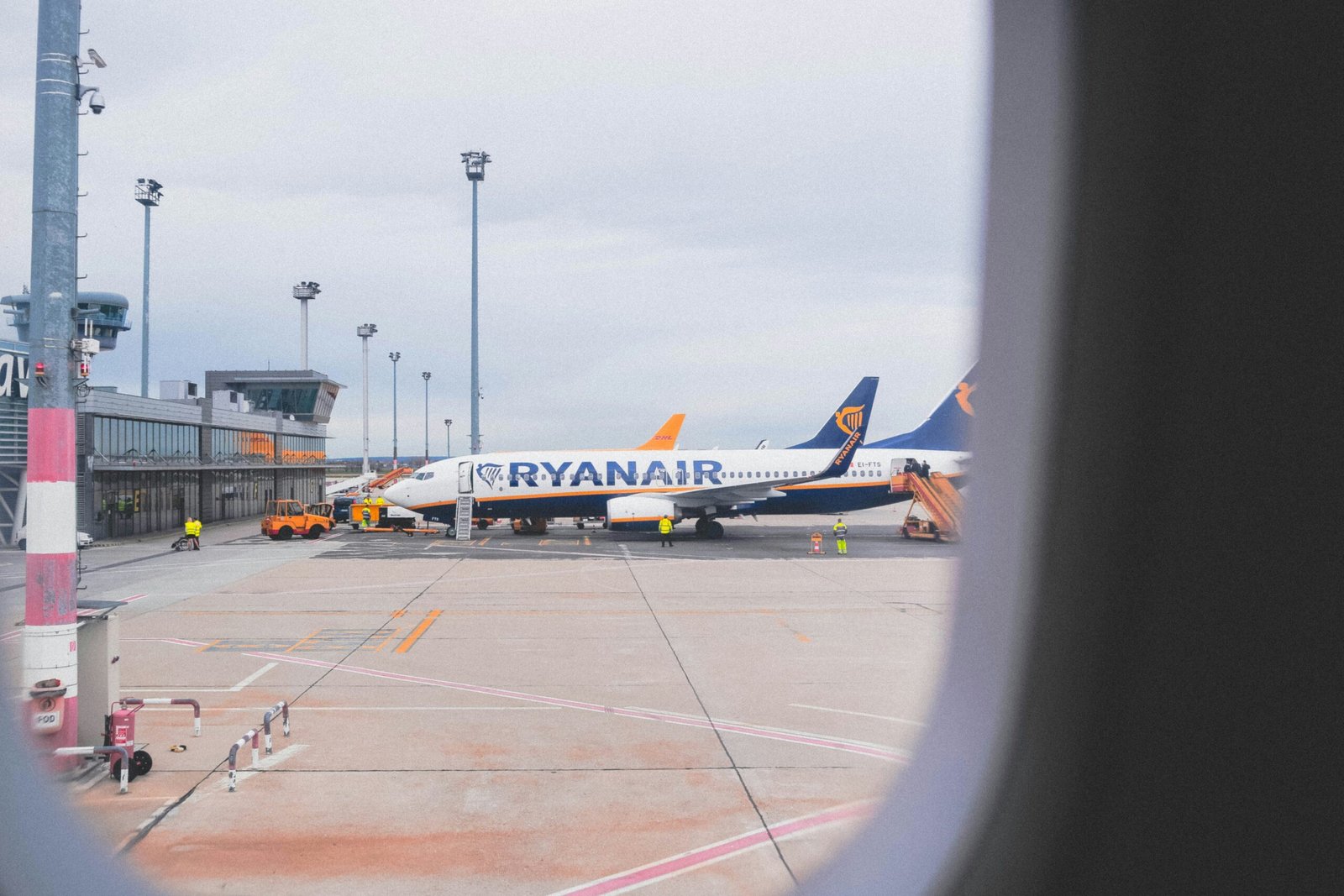
Ryanair, Europe’s largest low-cost airline, has recently been hit with a hefty fine of €256 million ($301 million) by Italy’s antitrust regulator for allegedly abusing its market dominance. This penalty has sparked a heated debate around market power and fair competition, particularly in the airline industry, where giants often maneuver to maintain their stronghold. But what does this fine reveal about the broader implications for competition in the travel sector?
The Accusation: Dominance Over Online Travel Agencies
The Italian Competition Authority accused Ryanair of implementing an “abusive strategy” to restrict online travel agencies (OTAs) from selling its tickets. This strategy allegedly included technical barriers such as blocking agencies from bundling Ryanair flights with other carriers and services, thus limiting consumer choice and stifling competition. The fine covers Ryanair’s conduct from April 2023 to at least April 2025, during which the airline purportedly used its market power to force consumers to book directly through its own website.
Ryanair’s Response and Market Dynamics
In response, Ryanair has vowed to appeal the decision, labeling it as legally flawed. The airline argues that its direct sales model is consumer-friendly, offering cost savings that result in lower fares. Ryanair CEO Michael O’Leary has been vocal about his opposition to OTAs, which he describes as “pirates” exploiting customers with hidden fees and inflated prices.
“The internet and the ryanair.com website have enabled Ryanair to distribute directly to consumers, and Ryanair has passed on these 20% cost savings in the form of the lowest air fares in Italy and Europe,” said O’Leary, underscoring the airline’s commitment to maintaining competitive pricing through direct sales.
Michael O’Leary
Competition Law and Consumer Choice
The case raises important questions about the balance between market dominance and consumer protection. While Ryanair contends that its practices benefit consumers by keeping fares low, critics argue that its tactics reduce competition and limit consumer choice. The airline’s substantial market share, particularly in Italy, allows it to exert significant influence, potentially acting independently of competitors and consumers.
Future Implications for the Airline Industry
This ruling may set a precedent for how airlines interact with OTAs and manage their distribution channels. As regulatory bodies continue to scrutinize the balance of power in the travel industry, airlines may need to reassess their strategies to ensure compliance with competition laws while maintaining their competitive edge.
Conclusion
The Ryanair case highlights the ongoing tension between maintaining market dominance and ensuring fair competition in the airline industry. As the appeal process unfolds, the outcome could have significant implications for how airlines and OTAs coexist in the digital age. It underscores the need for airlines to navigate carefully between leveraging market power and adhering to competition regulations, all while prioritizing consumer interests.