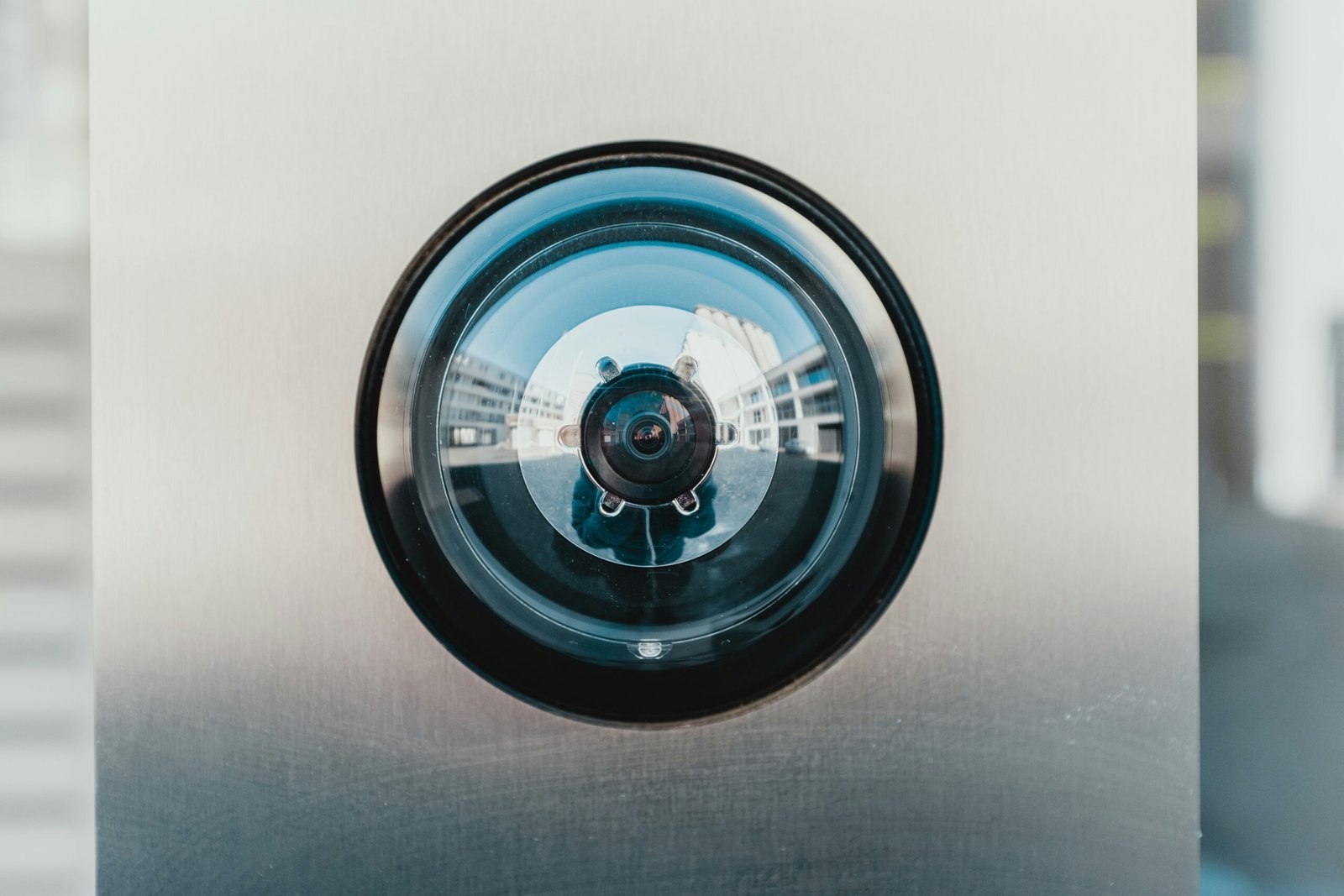
The concept of security has evolved significantly over time, influenced by technological advancements, cultural shifts, and policy developments. From the small Italian town depicted in the Netflix thriller “Security” to the global stage of the Golden Globes, security in its various forms continues to be a focal point of societal concern and intrigue. This article explores the multifaceted nature of security, examining how it is perceived and enforced in different contexts.
The Nature of Security
At its core, security is about protection from harm or unwanted change. This can encompass a wide range of situations, from personal safety in a small town to the enforcement of rules at major public events. As the Wikipedia entry on security suggests, the term extends beyond physical safety to include emotional, economic, and digital dimensions. In essence, security is both a state of mind and a set of practices aimed at mitigating risks.
Technology’s Role in Shaping Security
The rapid advancement of technology since the 9/11 attacks has fundamentally altered how security is perceived and implemented. The Brookings article highlights the shift in how information is disseminated, with news now spreading rapidly through digital platforms, enabling quicker responses to threats. However, this also brings challenges, such as the spread of misinformation and increased surveillance, raising questions about privacy and civil liberties.
Cultural Impacts on Security Practices
Culture plays a significant role in how security measures are perceived and enforced. The incident involving Leonardo DiCaprio at the Golden Globes illustrates how cultural norms and expectations shape security protocols. Despite his celebrity status, DiCaprio was subject to the same rules as everyone else, reflecting a cultural shift towards equal enforcement of security measures, regardless of social standing.
Security in Storytelling
In the realm of storytelling, security often serves as a backdrop for exploring deeper societal issues. “Security,” the Netflix mystery, uses the theme of surveillance and protection to unravel a complex narrative about power, trust, and the often-blurred lines between right and wrong. This mirrors real-world scenarios where security is not just about preventing harm but also about understanding the underlying societal dynamics.
Key Takeaways
- Security is a multifaceted concept encompassing physical, emotional, economic, and digital dimensions.
- Technological advancements have transformed how security is perceived and implemented, bringing both benefits and challenges.
- Cultural norms significantly influence security practices, as seen in public events and media narratives.
Conclusion
As we move further into the digital age, the concept of security will continue to evolve, shaped by technological innovations, cultural shifts, and policy decisions. Understanding the complexities of security in different contexts is crucial for navigating the challenges of modern life. Whether it’s through the lens of a fictional narrative or real-world events, the ongoing dialogue about security reflects our collective desire to feel safe and protected in an increasingly complex world.