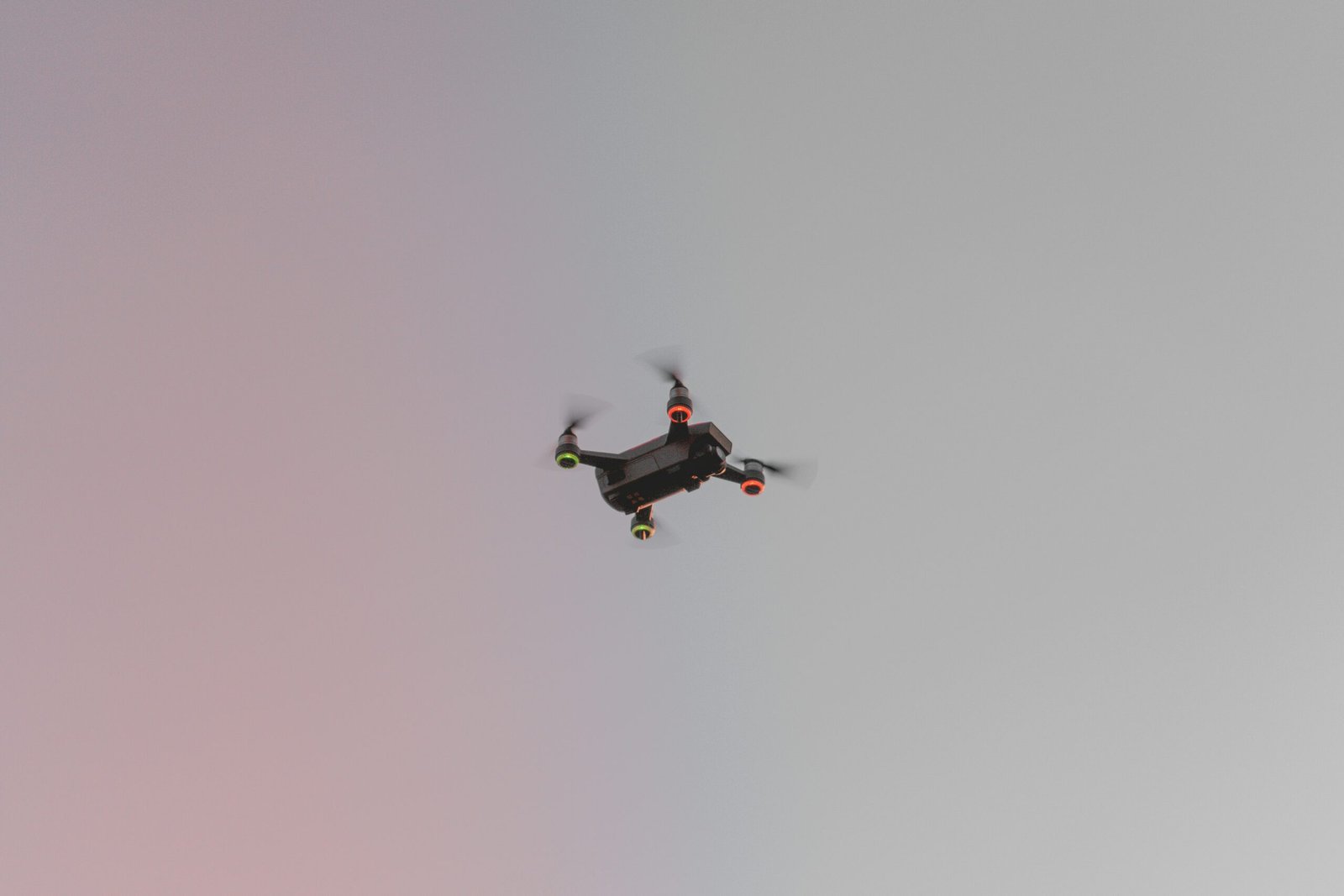
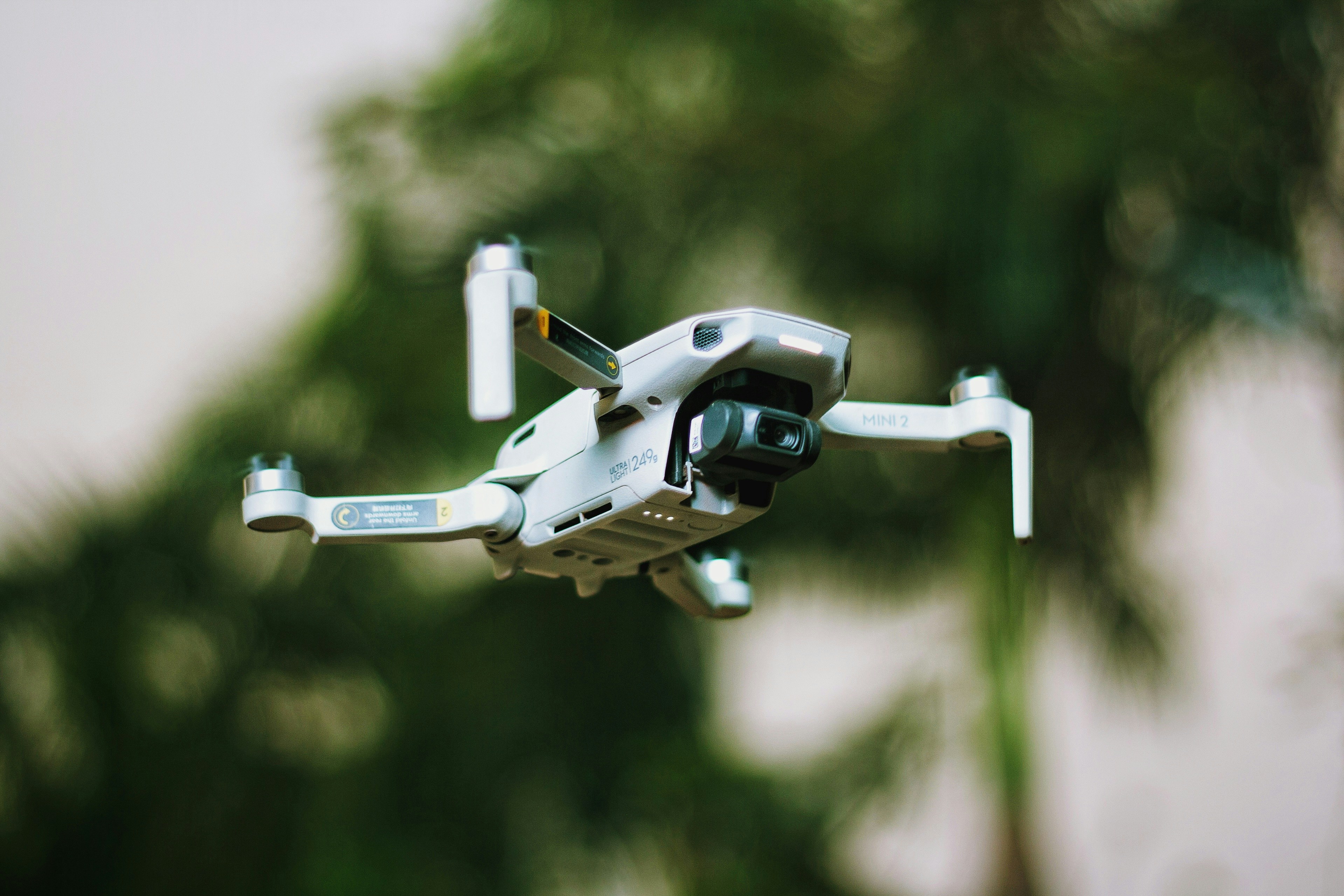
In the ever-evolving world of consumer technology, a curious phenomenon has emerged in the skies above us. The SkyRover X1, a drone making waves on platforms like Amazon, has recently come under scrutiny. Security researchers have unearthed compelling evidence suggesting that this seemingly unassuming gadget might actually be a product of the prominent drone manufacturer DJI, cleverly disguised under a different brand name. This revelation arrives at a critical juncture, as DJI navigates the choppy waters of an unofficial ban at US customs.
The SkyRover X1, priced at a competitive $750, shares striking similarities with DJI’s lineup, from its specifications to its features. This has led some to speculate that DJI might be employing a clever workaround to sidestep restrictions, potentially by rebranding their products to evade regulatory hurdles. This tactic, while not confirmed, suggests a strategic maneuvering in the face of geopolitical pressures that have placed Chinese tech companies under intense scrutiny.
Why the Disguise?
The strategic decision to possibly rebrand products isn’t just a whimsical marketing ploy; it’s a calculated response to international trade dynamics. With geopolitical tensions influencing trade policies, companies like DJI face challenges that extend beyond simply maintaining market presence. The US’s unofficial ban, for instance, is a significant hurdle that could stifle DJI’s access to a lucrative market. By potentially disguising their products, DJI might be attempting to preserve their foothold without directly confronting regulatory barriers.
Implications for the Consumer Market
For consumers, the idea that a reputable company like DJI might be behind the SkyRover X1 could be a double-edged sword. On one hand, it assures buyers of a certain level of quality and reliability associated with DJI’s established reputation. On the other, it raises ethical questions about transparency and consumer rights. If a product is indeed masquerading under a false identity, buyers are entitled to know the truth about its origins.
This situation also underscores the broader implications of international trade policies on consumer choices. The tech landscape is increasingly becoming a battleground for geopolitical interests, and consumers are often caught in the crossfire, left to navigate a maze of brand identities and product origins.
Key Takeaways
- The SkyRover X1 drone may be a rebranded DJI product, possibly to bypass US trade restrictions.
- This tactic highlights the challenges tech companies face amid geopolitical tensions.
- Consumers must consider the implications of brand transparency and product authenticity.
Conclusion
As technology continues to advance and international policies become increasingly complex, companies like DJI are forced to innovate not just in product design, but also in their approach to market presence. The SkyRover X1 case serves as a fascinating example of how brands might adapt to regulatory challenges. For consumers, it offers a reminder to stay informed and vigilant, ensuring that their purchasing decisions are based on accurate information about the products they choose to bring into their lives.