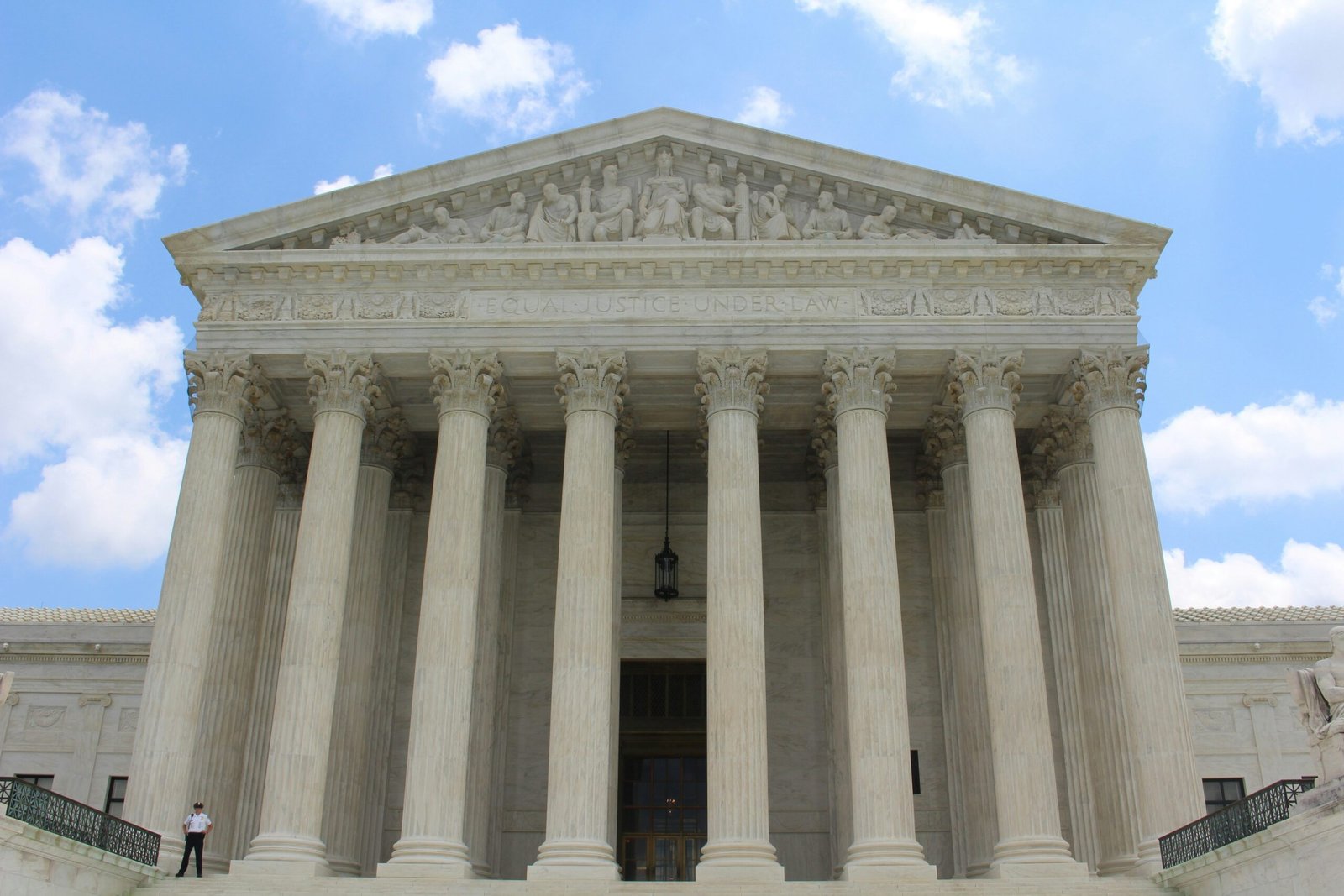
The United States Supreme Court stands poised to deliver a landmark ruling that could fundamentally reshape how internet service providers handle copyright infringement. The case of Cox Communications v. Sony Music Entertainment has emerged as a defining moment for digital copyright law, with implications that extend far beyond the courtroom to affect millions of internet users and the broader digital economy.
The Core Legal Battle
The dispute centers on a deceptively simple yet legally complex question: Should ISPs bear liability for copyright infringements committed by their subscribers? A coalition of major music labels, led by Sony Music Entertainment, alleges that Cox Communications willfully ignored repeated copyright violations by its users despite receiving thousands of takedown notices under the Digital Millennium Copyright Act (DMCA).
The music industry’s case hinges on the argument that Cox’s response to infringement notices was inadequate and often cosmetic. They contend the ISP failed to implement meaningful measures to curb repeat offenders, effectively enabling widespread piracy on its network.
Cox maintains a starkly different position, arguing that ISPs cannot and should not be held responsible for their users’ independent actions. The company emphasizes that it maintains clear terms of service prohibiting illegal activities and warns that adverse Supreme Court ruling could trigger a cascade of service terminations, potentially cutting internet access for millions of American households and businesses.
High-Stakes Consequences for Digital Infrastructure
The financial implications alone underscore the case’s significance. Cox faces a potential billion-dollar penalty—a sum the company claims could force it into bankruptcy and disrupt internet service for its customer base. This stark warning illustrates how the court’s decision could ripple through the telecommunications industry.
Beyond immediate financial consequences, a ruling favoring the music industry could compel ISPs nationwide to implement more aggressive monitoring and enforcement protocols. Such measures might fundamentally alter the relationship between service providers and users, potentially leading to more restrictive internet policies and increased surveillance of online activities.
Legal Precedent and the Evolution of Copyright Law
This case represents the latest chapter in an ongoing legal evolution that began with foundational rulings like Sony Corp. v. Universal City Studios (the “Betamax case”) and MGM Studios v. Grokster. These precedents established crucial frameworks for determining when technology companies can be held liable for users’ infringing activities.
The Cox decision will likely influence how courts interpret the balance between innovation and copyright protection in the digital age. Legal experts are closely watching whether the justices will expand or narrow the scope of secondary liability for technology platforms and service providers.
The case also unfolds against a backdrop of broader political tensions surrounding copyright enforcement. Recent Supreme Court decisions regarding federal agency leadership, including disputes over the U.S. Copyright Office, highlight how copyright policy intersects with executive power and regulatory authority.
Industry-Wide Implications
The ruling’s impact will extend well beyond Cox Communications and the music industry. Streaming services, social media platforms, cloud storage providers, and other technology companies are monitoring the case closely, as the decision could establish new standards for how digital platforms must respond to copyright infringement claims.
Content creators and rights holders, meanwhile, view this as a potential turning point in their ongoing battle against digital piracy. A favorable ruling could provide them with stronger legal tools to combat unauthorized distribution of their work across various online platforms.
The Path Forward
As the Supreme Court deliberates, the technology and entertainment industries await a decision that could redefine the digital landscape. The ruling will likely establish new precedents for copyright enforcement in the internet age, affecting everything from how ISPs structure their policies to how content owners pursue infringement claims.
The case represents more than a legal dispute between two industries—it embodies the ongoing tension between technological innovation and intellectual property protection. Whatever the outcome, the Cox v. Sony decision will serve as a crucial reference point for future copyright battles in our increasingly digital world.